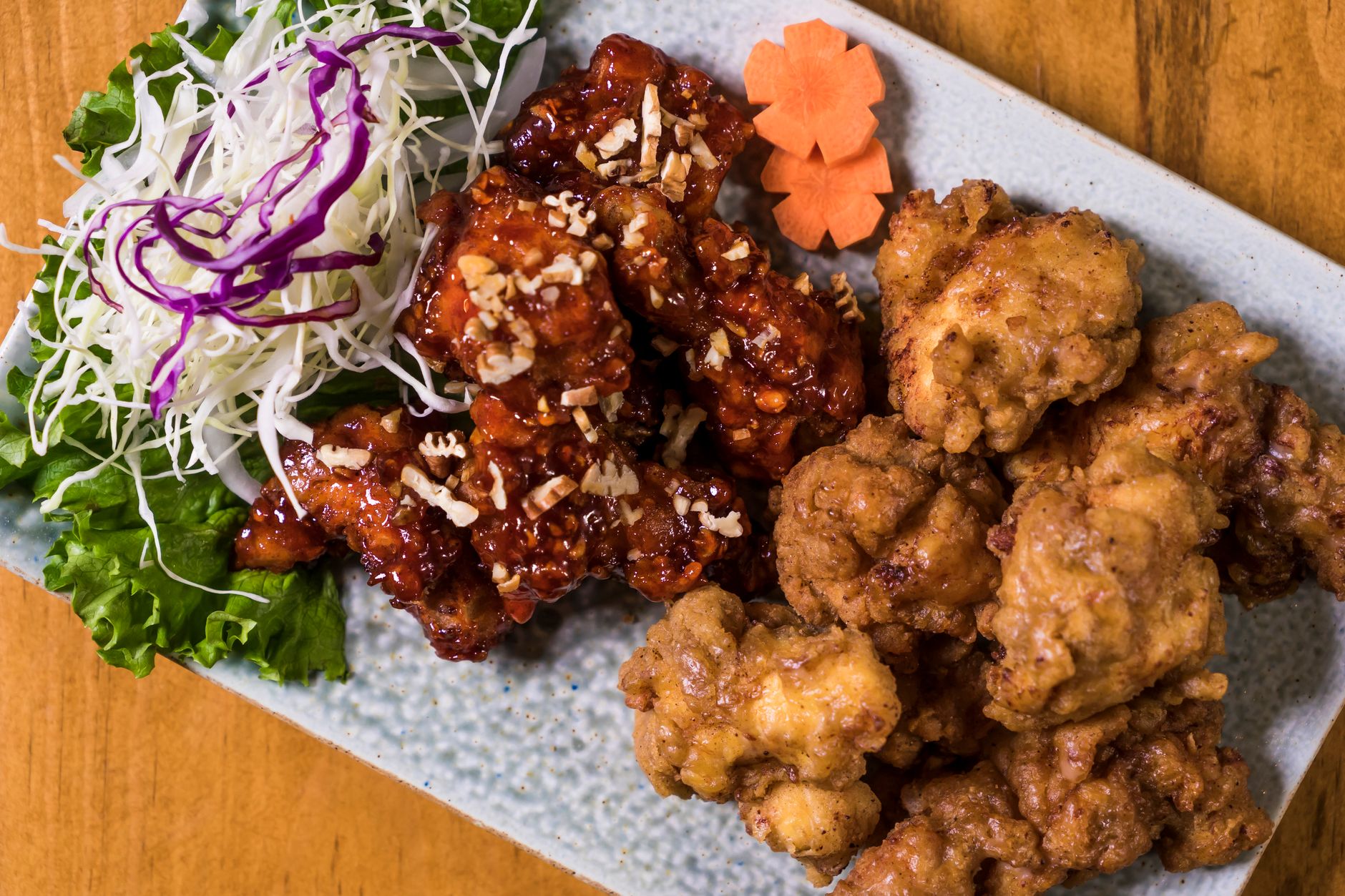
Korean fried chicken comes in three core sauce styles: soy garlic (savory, mildly sweet), spicy (bold chili heat), and original (plain, no sauce). First-timers should start with soy garlic. It is the most universally liked option and gives you a genuine taste of Korean fried chicken without overwhelming heat. Always confirm exact heat levels and ingredients with 101 Chicken before ordering.
What Makes Korean Fried Chicken Different From Regular Fried Chicken?
Korean fried chicken is structurally different from Southern-style or fast-food American fried chicken, and that difference matters when you're choosing a sauce. Korean fried chicken uses a double-fry technique: the chicken is fried once to cook through, rested briefly, then fried again at a higher temperature to drive out surface moisture. The result is an ultra-thin, shatteringly crispy crust that is lighter and less bready than the thick flour-based coating you'd find at a typical American chain. At 101 Chicken, our double-fry technique produces this exact texture consistency because we control oil temperature and fry timing with precision that manual preparation cannot match. Research published in a peer-reviewed food science journal found that starch-coated fried chicken had a moisture content of just 30.49% and an oil content of 13.09%, both lower than comparable flour-breaded products (101chicken.com). Less retained oil means a crisper surface, which is exactly what you want when a sauce is going on top. The global fried chicken market sat at $100.11 billion in 2025 and is projected to reach $107.19 billion in 2026 (101chicken.com), reflecting just how much global appetite has shifted toward this style.
At 101 Chicken on Lemoine Ave in Fort Lee, NJ, our robot-assisted kitchen maintains precise fry times and oil temperatures across every single order. That consistency is not a gimmick. It directly affects how the crust behaves when sauce hits it, and it's why NJ.com and ABC7 New York covered our kitchen specifically in 2024. Korean restaurant locations across the U.S. grew 10% in 2024, with seven Korean fried chicken chains totaling 405 locations and posting 22% year-over-year growth (circana.com). You have real choices here. Knowing what distinguishes Korean fried chicken structurally helps you make a better one.
Why Does the Crust Matter So Much for Sauce Choice?
The thin starch-based crust on Korean fried chicken absorbs and holds sauce differently than thick flour breading does. Soy garlic glazes the surface in a thin, caramelized coat that sets as it cools. A spicy chili sauce clings evenly across the crust's texture peaks without pooling. Original, with no sauce applied, keeps the crust fully intact from the moment it leaves the fryer. Thick American-style breading would trap sauce underneath the crust layer, accelerating sogginess. Korean-style crusts avoid that problem by design. Understanding this explains why Korean fried chicken takeout holds up better than most people expect. It also explains why our robot-assisted frying system matters for sauce outcomes: consistent crust thickness means the sauce behaves the same way at 7 PM on a Saturday as it does at 1 AM.
Soy Garlic vs Spicy vs Original: What Is Each Sauce Actually Like?
Before you order, it helps to understand what each sauce category actually delivers at the sensory level. These are not just flavor labels. Each one creates a different eating experience on the same crispy base.
What Does Soy Garlic Taste Like?
Soy garlic is the most crowd-friendly and easiest to like of all Korean fried chicken sauces (koreanplate.com). The flavor is savory and mild, built from soy sauce reduced with roasted garlic and often finished with a touch of honey or sugar to create a glossy glaze (koreanplate.com). When that glaze lands on a hot, freshly fried crust, the residual heat deepens the garlic aroma and caramelizes the sugars slightly at the surface. The result is a balanced bite: savory upfront, faintly sweet in the middle, with a clean garlic finish. There is no heat. The soy sauce component adds umami depth without the sharpness you might associate with American soy-based sauces. We recommend this sauce first to anyone walking into 101 Chicken for the first time. It represents the flavor profile that Korean fried chicken is most known for among American diners, and it pairs naturally with pickled radish, the classic Korean fried chicken side that cuts through the richness of the glaze.
What Does Spicy Korean Fried Chicken Sauce Taste Like?
Spicy Korean fried chicken sauce is built on a gochujang or Korean chili base. Gochujang is a fermented chili paste with a market growing at 9.10% CAGR through 2033 and year-on-year growth of 9.60% in 2024 (htfmarketinsights.com), partly because its flavor profile is genuinely different from other hot sauces. The heat is present but not abrupt. It builds slowly and comes layered with sweetness and umami from the fermentation process. This is not Buffalo-style heat, which hits immediately and fades quickly. Gochujang heat accumulates across several bites, which is why people who are mildly heat-tolerant sometimes underestimate it early in a meal. Yangnyeom, the classic Korean fried chicken spicy sauce, is typically sweet, tangy, and medium-spicy (koreanplate.com), and it delivers what many consider the signature Korean fried chicken experience (koreanplate.com). A 2025 global survey of 11,000 consumers across 22 cities confirmed that Korean fried chicken is now the most preferred K-food worldwide (realinfotrip.com), and yangnyeom is a major reason why. Confirm the specific heat level with us before ordering if you have any sensitivity to spice.
When Should You Order Original (Plain)?
Original means no sauce applied. We've found at 101 Chicken that original chicken works exceptionally well for group orders because it serves as a neutral base that lets each diner control their own sauce experience with our dipping options on the side. We've found at 101 Chicken that original chicken works exceptionally well for group orders because it serves as a neutral base that lets each diner control their own sauce experience with our dipping options on the side. The chicken arrives with its full crust intact, and the only flavor is the seasoning baked into that crust during frying. This is the right choice for texture-focused eaters who want to experience the double-fry technique on its own terms. It also works well for groups with mixed heat tolerance, because dipping sauces can be ordered on the side and each person controls their own experience. If you're joining a group order at 101 Chicken in Fort Lee and half the table has never tried Korean fried chicken, original is an excellent anchor item that lets sauced pieces share the same box without transferring heat. It is also the option that holds best during longer delivery runs, since there is no sauce to interact with the crust over time.
Side-by-Side Comparison: Soy Garlic, Spicy, and Original
Use this table as a decision framework. Each row isolates a factor that matters to a different type of diner. Exact ingredients vary by order and preparation, so confirm specifics with 101 Chicken directly.
| Factor | Soy Garlic | Spicy | Original (Plain) |
|---|---|---|---|
| Heat Level | Low | Medium to High | None |
| Flavor Profile | Savory, slightly sweet, garlicky | Bold, chili-forward, umami-rich | Neutral, chicken and crust focused |
| First-Timer Friendly | Yes, best starting point | Proceed with caution | Yes, if you prefer no sauce |
| Group Order Strategy | Safe for most palates | Order alongside a milder option | Great base for mixed orders with dipping sauces |
| Takeout / Delivery Hold | Good, glaze sets on crust | Good, sauce stays coating the crust | Excellent, no sauce to soften crust |
| Best Paired With | Pickled radish, cold soda | Cold beer, sweet drink | Dipping sauce of choice |
| Recommended At 101 Chicken | Yes, start here | Yes, for heat lovers | Yes, confirm dipping sauce options |
Soy garlic and yangnyeom are the most common classic choices at Korean fried chicken restaurants (koreanplate.com). The table above gives you a reliable structure for choosing, but the real test is ordering and tasting for yourself.
Which Sauce Should You Order as a First-Timer at 101 Chicken?
Start with soy garlic. For example, imagine a family of four arriving at 101 Chicken on a Saturday night after a movie in Fort Lee, where two adults enjoy bold flavors but the two teenagers are cautious about spice. Soy garlic gives everyone a genuine Korean fried chicken experience without anyone worrying about heat, and it pairs perfectly with the pickled radish side that 101 Chicken includes with every order. This is our direct recommendation for anyone ordering Korean fried chicken for the first time at 101 Chicken on Lemoine Ave in Fort Lee, NJ. It represents the safest entry point and the broadest appeal. The savory-sweet glaze gives you a genuine Korean fried chicken experience without asking you to manage heat. If you enjoy mild salsa or light vinegar-based sauces in other cuisines, spicy is worth adding on a second order. If you're in a group of four or more and heat tolerance varies across the table, order one soy garlic and one original, with dipping sauces on the side. That setup covers every palate in the group and gives the hesitant diners a way in without commitment. Our online ordering system lets you review your full selection before you place the order, which removes the pressure of deciding at the counter. ABC7 New York reported on the robot chefs working our fry station.
How Does 101 Chicken's Robot-Assisted Kitchen Affect Consistency?
Robot-assisted kitchens maintain precise fry times and oil temperatures across every single order, reducing the human variability that causes batch-to-batch differences in crust quality. Nationally, 69% of restaurant operators who added new technology in the past two to three years reported meaningful improvements in efficiency and productivity (101chicken.com). For sauce-coated chicken, this consistency matters directly. A crust that is 10% (circana.com) thicker or 15% more oily than the batch before it will absorb soy garlic sauce differently, producing a different texture at first bite. Our system removes that variable. The soy garlic you order on a Friday night at 101 Chicken will behave the same way as what you had on a Tuesday afternoon. That predictability is part of what we are offering, especially for first-time customers who are making a judgment about whether Korean fried chicken is for them. The full list of write-ups is on our press page.
Beyond the Big Three: Snow Cheese, Buldak, and Other Sauce Styles
The three core sauces above cover most first-time ordering decisions, but the Korean fried chicken sauce landscape is broader. Understanding the full range helps you plan for future visits and helps groups make smarter collective choices.
Snow cheese is creamy and savory with no heat (koreanplate.com). It is a lighter, dairy-forward coating that reads more like a seasoning than a glaze. If you enjoy cheese-dusted snacks or cream-based dips, snow cheese is the closest Korean fried chicken analog. It is a good bridge option for diners who find soy garlic too sweet or original too plain. Honey butter is buttery and sweet with no spice (koreanplate.com), making it the clearest choice for anyone whose primary flavor preference is sweet over savory. These two options are spice-free, making them reliable alternatives for diners who want to avoid heat entirely (koreanplate.com).
Buldak, or extra-hot sauce, is built for heat lovers (koreanplate.com). It goes well beyond yangnyeom in intensity and is not a starting point for anyone unfamiliar with high-Scoville Korean chili preparations. The gochujang base that makes yangnyeom approachable is present in buldak too, but concentrated. The sweetness recedes, the fermented heat dominates, and the cumulative burn across a full portion is significant. We see guests who order buldak regularly, they tend to arrive knowing exactly what they want. If you are in that category, we respect that. If you are not sure whether you are, start with spicy yangnyeom first and work up from there. Gochujang searches for new recipes have surged in 2026, with a 350% year-over-year increase in Google searches for gochujang glazed carrots and 150% for gochujang noodle recipes (instagram.com), reflecting a broader cultural moment where American diners are actively seeking out this flavor profile.
Pros and Cons of Each Korean Fried Chicken Sauce Style
Every sauce style has trade-offs. Knowing them before you order prevents disappointment and helps you choose the right option for your specific situation.
Soy Garlic
Pros: Broadest appeal across all palates. No heat risk. The glaze sets cleanly on the crust and holds well for takeout from Fort Lee restaurants. Easy to share without accommodating heat sensitivity. Pairs naturally with pickled radish, which most Korean fried chicken spots including 101 Chicken carry as a standard side.
Cons: The mild sweetness in the glaze may feel under-seasoned to diners who prefer bold or savory profiles. Returning diners who have worked through soy garlic multiple times sometimes find it less exciting than spicy options. It is the safe choice, which means it is not the adventurous one.
Spicy
Pros: The most complex flavor profile of the three core styles. The chili-forward, umami-rich sauce creates a layered eating experience that builds across the meal. It pairs excellently with cold beer or sweet drinks, which cut the heat and reset the palate. For diners who enjoy heat, it is genuinely satisfying in a way that soy garlic is not.
Cons: Not suitable for heat-sensitive diners or young children. Heat level varies by restaurant and batch, so always confirm with 101 Chicken. Ordering spicy as your only option for a group with unknown heat tolerance is a risk. The cumulative burn across a full portion can be higher than first-timers expect.
Original (Plain)
Pros: Full crust flavor without sauce influence. Maximum flexibility with dipping sauces on the side. The best delivery hold of the three options. Ideal for group orders where preferences vary widely, and a useful anchor for sampler-style ordering.
Cons: Less of a distinct Korean fried chicken experience for first-timers who are expecting a glaze. May feel under-seasoned to diners arriving with strong sauce expectations. Without a dipping sauce pairing, it can read as plain rather than intentional.
Our Verdict: How to Choose
Results speak for themselves. The diners who enjoy their first Korean fried chicken experience most are the ones who started with soy garlic and understood what they were getting before they ordered.
Choose soy garlic if you are ordering for the first time, ordering for a group, or want a reliable baseline that you can compare across visits.
Choose spicy if you have a documented tolerance for medium heat in other cuisines and want the full yangnyeom Korean fried chicken experience on your first or second visit.
Choose original if texture is your priority, if you want full control over dipping, or if you are anchoring a mixed group order in Fort Lee where half the table is heat-sensitive.
Confirm everything with us. Sauces vary. We would rather you ask before you order than be surprised at first bite.
Frequently Asked Questions
Is Korean fried chicken sauce very spicy for people who don't normally eat spicy food?
Can I order half soy garlic and half spicy at 101 Chicken?
What is the difference between Korean fried chicken and regular American fried chicken?
Does the sauce make the chicken soggy for takeout or delivery orders?
What sides go best with soy garlic Korean fried chicken?
What are the most popular Korean fried chicken sauce flavors?
How spicy is the typical yangnyeom sauce?
Which sauce is best for someone who prefers sweet flavors?
What Korean fried chicken sauce pairs best with beer?
What sauce should I choose if I dislike spicy food?
Sources & References
- South Korean Restaurant Locations in the U.S. Grow 10% Over the Past Year - Circana[industry]
- Gochujang Search Trend Data - Instagram[industry]
- Gochujang Market Shaping Ahead to Long-Term Value Realization - HTF Market Insights[industry]
- Korean vs American Fried Chicken: Key Differences - 101 Chicken[industry]
- Korean Fried Chicken Guide: Best Brands, Popular Menus & Local Tips - Korea Travel Insider[industry]
- abc7ny.com[industry]
About the Author
101 chicken
101 Chicken is Fort Lee's premier destination for fresh, expertly prepared chicken dishes, offering convenient dine-in and online ordering seven days a week with extended late-night weekend service.
Learn more at www.101chicken.com →Related Posts
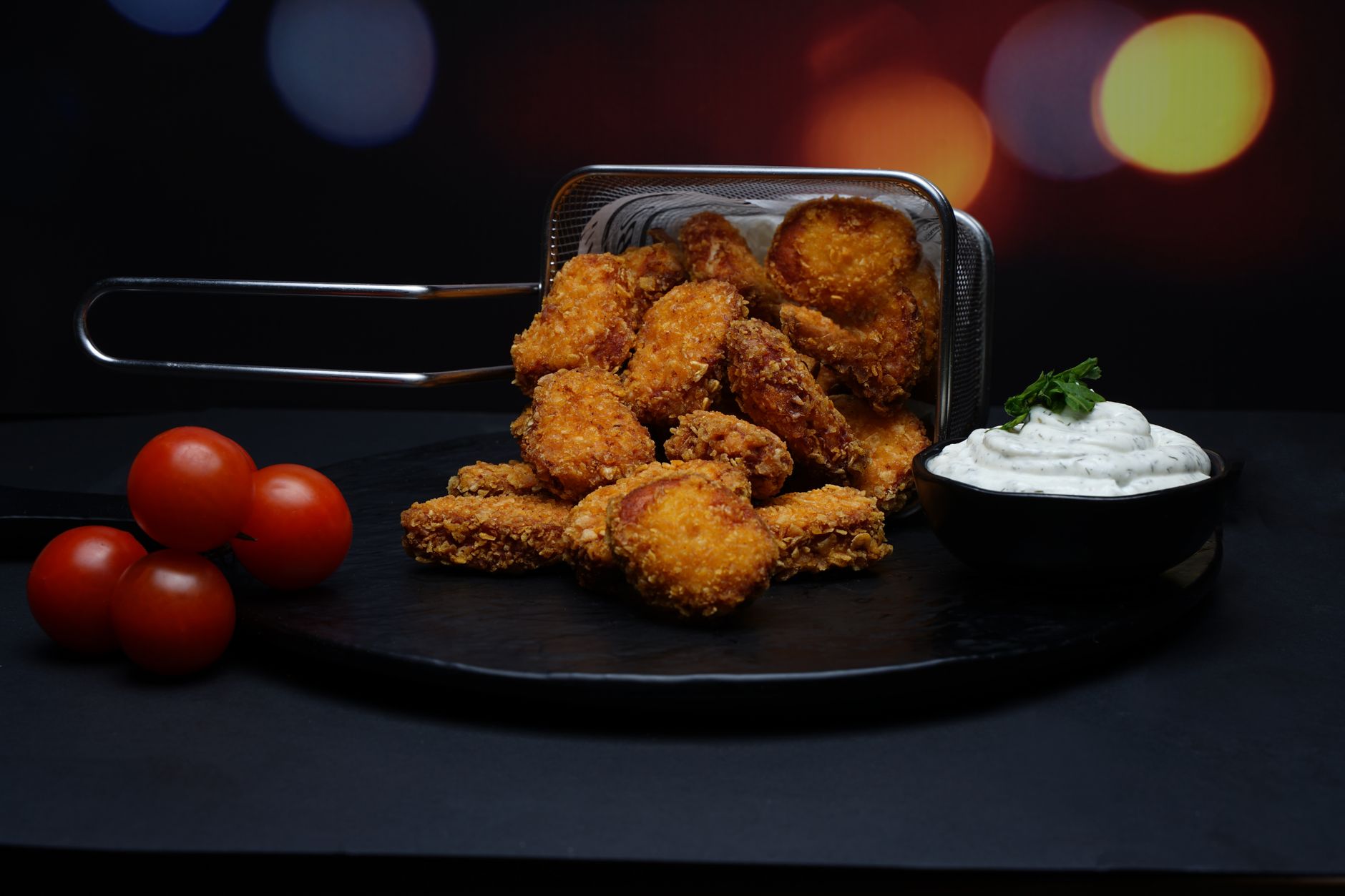
Korean vs American Fried Chicken: Why the Crust Is Completely Different
Korean and American fried chicken share a name but almost nothing else. From the twice-frying technique to the ultra-thin glassy crust, Korean fried chicken is a genuinely different eating experience. If you've never tried it, here's exactly what sets it apart before you order.
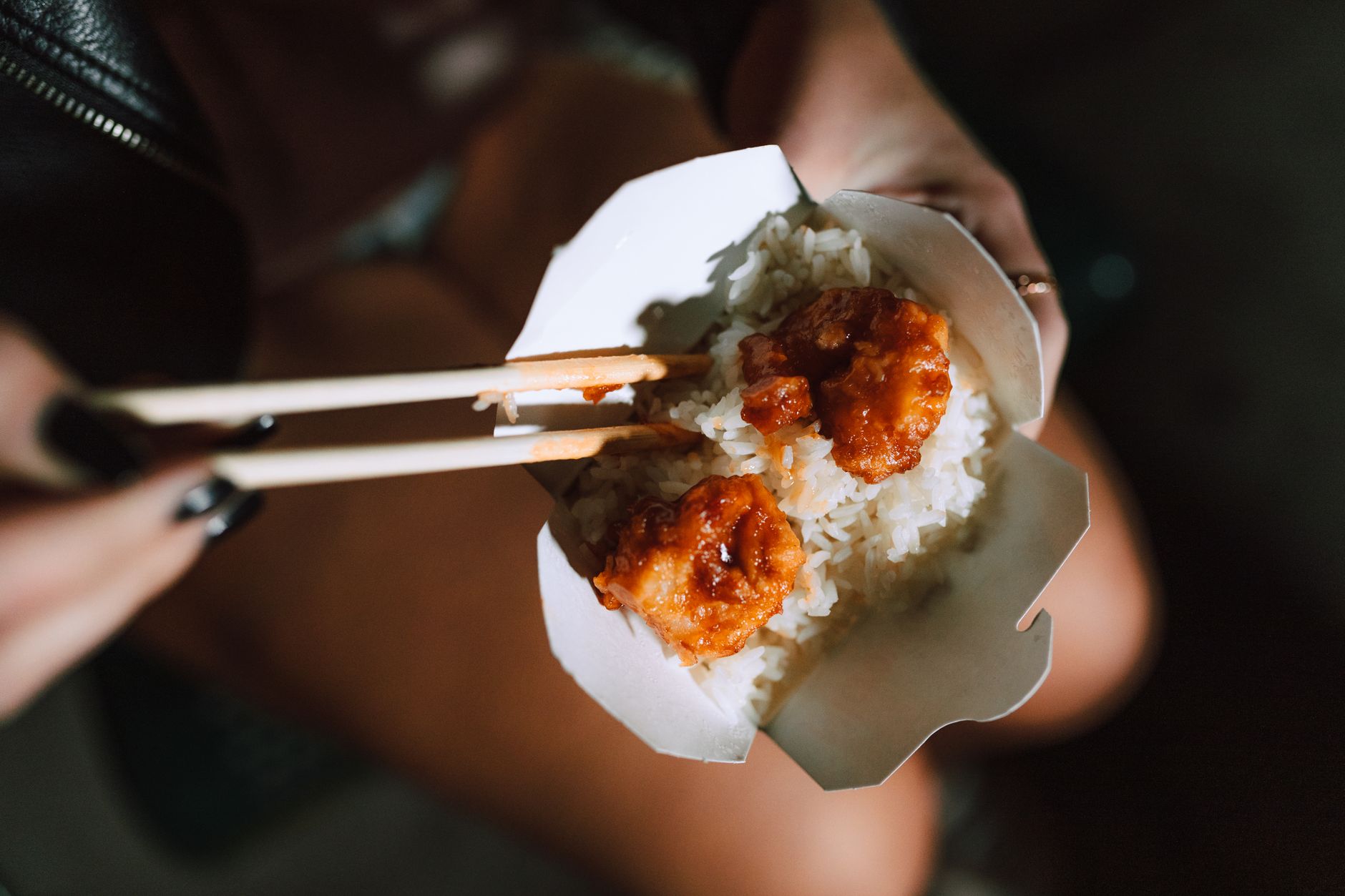
Korean Fried Chicken Delivery Near Fort Lee: Which Towns Can Order?
Wondering which towns near Fort Lee can get Korean fried chicken delivered? This guide breaks down delivery availability by town, covering Fort Lee, Edgewater, Cliffside Park, and Palisades Park. Find the right spot for your neighborhood.

7 Best Places to Grab Food Near the George Washington Bridge
Whether you're crossing from Manhattan or looking for a late-night meal after a long day, Fort Lee has a surprisingly strong dining scene right off the George Washington Bridge. From Korean fried chicken to classic diners, here are seven spots worth knowing about.