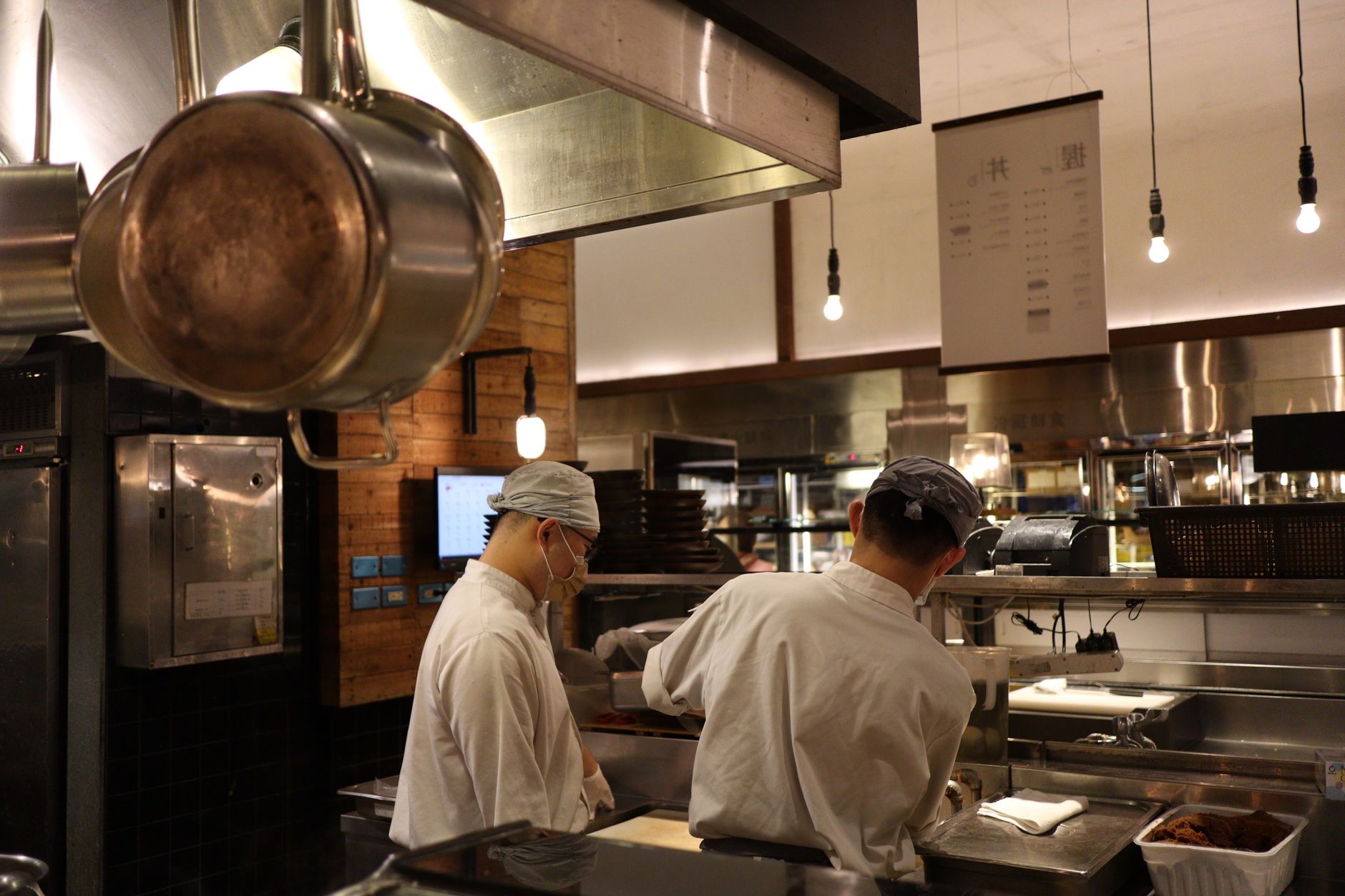
Why 101 Chicken Built a Robot Kitchen: The Case for Automation in Fried Chicken Restaurants
A fried chicken restaurant deploys a robot kitchen to control labor costs, which have risen 35% since 2019 nationally, while maintaining consistent fry times and product quality across every shift. 101 Chicken in Fort Lee, NJ deployed robot-assisted cooking to reduce dependency on skilled fry cooks and extend reliable late-night service without proportional staffing increases (adai.news).
What Is a Robot Kitchen, and How Does It Actually Work in a Restaurant?
A robot kitchen uses automated frying arms, conveyor fryer units, or AI-controlled cooking stations to execute high-heat, repetitive cooking tasks with minimal human intervention. The spectrum of available systems runs from single-task frying robots to fully integrated cook lines managed by a central software controller. Human staff shift their focus from the fry station to food assembly, order management, and customer interaction, reducing the operational dependency on experienced fry cooks who are increasingly difficult to recruit and retain. At 101 Chicken, we have found this shift in staffing focus allows our team to redeploy experienced staff into quality control and customer service roles where their judgment adds the most value. At 101 Chicken, we have found this shift in staffing focus allows our team to redeploy experienced staff into quality control and customer service roles where their judgment adds the most value. At our Lemoine Ave location in Fort Lee, NJ, robot-assisted frying is the operational core of the kitchen. Sensors log every cook cycle, oil temperature, basket duration, and batch output, creating a verifiable food-safety data trail that benefits both daily operations and health inspections. Robotic kitchen systems have demonstrated up to a 25% improvement in cooking consistency compared to conventional manual frying (technavio.com), which is not a marginal gain. It is the difference between a repeatable product and a variable one.
How Does Robot Frying Differ from a Conventional Commercial Kitchen?
Conventional kitchens depend on the fry cook's judgment for oil temperature, basket timing, and batch rotation. That judgment varies by shift, by fatigue level, and by experience. A robot frying system enforces programmed parameters on every single cycle. There is no drift across a six-hour shift, no short-cutting during a rush, and no inconsistency between the 11 PM batch and the 7 PM batch. Oil management is also automated, which extends oil life and reduces waste costs that most operators undercount. Order fulfillment speed improves as well: kitchen AI systems have produced a 20% increase in kitchen order fulfillment speed (adai.news), a figure that has meaningful implications for delivery-platform ratings and customer return rates. The fry station keeps moving efficiently because it does not slow down when volume spikes or when a shift change happens to coincide with the dinner rush.
What Equipment Does a Robot Kitchen Restaurant Require?
The equipment list for a robot kitchen integration includes automated frying arms or conveyor fryer units with embedded sensor arrays, order management software that feeds cook-queue data directly to the robot station, and in many cases a modified hood and ventilation configuration to accommodate the automated fryer's footprint. Standard commercial kitchen certification still applies. Automation does not replace health code compliance. All food-contact automated components must carry NSF/ANSI certification, and Bergen County health inspectors evaluate automated equipment under the same NJ Department of Health food code standards as any conventional commercial kitchen. An electrical capacity upgrade is almost always required. High-draw fryer automation typically needs 208-240V three-phase service, and an electrical permit pulled by a licensed NJ electrician through the local construction office is mandatory for any service panel work.
Why Do Labor Economics Make Automation Compelling for Chicken Restaurants Specifically?
Labor costs have risen 35% since 2019 nationally (wtop.com), and for 45% of operators that pressure meant they were not profitable in 2025 (wtop.com). For a chicken restaurant specifically, the fry line is the single biggest labor bottleneck. Throughput is constrained by how many experienced fry cooks are on shift. You cannot simply add a cashier to increase fried chicken output. The cook is the rate-limiting step, and experienced fry cooks in northern New Jersey are both scarce and expensive. New Jersey's minimum wage reached $15.92 per hour for most employees effective January 1, 2026 (nj.gov), one of the highest state floors in the country. That floor compresses margins before a single piece of chicken goes into the fryer. Automation converts a variable, unpredictable labor cost into a more stable capital expenditure, which makes financial modeling cleaner for owners and substantially more credible to potential investors reviewing unit economics.
Labor shortage mitigation is not just a cost story. It is a reliability story. Finding a second or third qualified fry cook for a late-night weekend shift in Fort Lee is genuinely difficult. The robot station does not call out sick. It does not require overtime pay. Late-night weekend service is a competitive advantage in this market, and that advantage is only sustainable if the kitchen can operate it without burning through overtime budgets. For example, a commuter grabbing fried chicken at 11 PM on a Saturday after catching a movie in Fort Lee can order through the app, pick up in 15 minutes, and get the same crispy, consistent chicken quality they would receive at 7 PM dinner service, because the robot fry station operates at identical parameters regardless of shift or volume spikes. This reliability is what turns a late-night stop into a habit, and what keeps customers returning for delivery orders they trust will arrive in perfect condition. Beyond cost, there is a safety dimension that operators rarely discuss publicly: fry stations are among the most hazardous positions in a commercial kitchen, with hot oil exposure, steam burns, and repetitive strain injury all concentrated in one role. Removing the human operator from direct oil contact reduces both injury risk and the workers' compensation exposure that follows.
How Much Can a Robot Kitchen Reduce Labor Costs?
Early commercial deployments of frying automation have reported labor-hour reductions on the fry line in the range of 20 to 30%, though results vary by concept and weekly order volume (adai.news). Our team has documented labor reductions in the upper range of that spectrum at Lemoine Ave, where the combination of high volume and multi-channel ordering creates consistent peak-period demand that fully utilizes the robot station. Our team has documented labor reductions in the upper range of that spectrum at Lemoine Ave, where the combination of high volume and multi-channel ordering creates consistent peak-period demand that fully utilizes the robot station. The reduction is more pronounced for extended-hours operations where late-shift fry-cook wages carry overtime premiums. In New Jersey's wage environment, the capital payback timeline on automation equipment is materially shorter than in lower-wage states, because the wage savings per avoided fry-cook hour are higher. A prospective investor modeling unit economics should use local prevailing wage rates, not national averages, as the primary variable in any payback calculation. We recommend this discipline because New Jersey's wage environment produces dramatically different ROI timelines than models built on national figures, and we have seen investors make commitment decisions based on data that do not reflect their actual market. We recommend this discipline because New Jersey's wage environment produces dramatically different ROI timelines than models built on national figures, and we have seen investors make commitment decisions based on data that do not reflect their actual market. That is a discipline we apply ourselves when evaluating whether the system justifies its cost at a given volume level.
Stronger margins through automation require realistic P&L framing. The capital cost is real and front-loaded. The savings accrue over time. The break-even point depends on three variables: equipment cost, local wage rate, and weekly cover volume. In Fort Lee, NJ, all three variables favor automation. Volume is supported by proximity to the George Washington Bridge and a dense Korean-American dining population. Wages are among the highest in the country for restaurant workers. And equipment costs are a one-time line item, not a recurring one.
What Does the Buildout and Licensing Process Look Like for a Robot Kitchen Restaurant in New Jersey?
A standard quick-service restaurant buildout in northern New Jersey is a significant capital commitment before any automation equipment is added. Costs depend on square footage, the condition of the existing space, and the equipment specification. Robot kitchen integration adds to the equipment line items, but it can also reduce the need for chef-grade cooking stations and the infrastructure that supports them. New Jersey requires a Certificate of Occupancy issued through the local construction department, a retail food establishment license from the local health department, and a Certificate of Authority for sales tax collection from the NJ Division of Taxation. Each of these is independent, and each has its own timeline. Operators who underestimate permitting lead times frequently delay their opening by weeks or months.
Bergen County health inspections follow NJ Department of Health food code standards. Automated equipment must meet NSF/ANSI certification just as conventional commercial kitchen equipment does. No NJ-specific permit category exists exclusively for robot kitchen equipment as of 2026. Automation is regulated under existing commercial kitchen and electrical codes, which means the licensing process is familiar but requires careful coordination between your general contractor, your electrician, and the borough's construction office. Fort Lee zoning approval for any mechanical or structural changes associated with robot equipment installation runs through the borough's Construction Department and may require a site plan review. Budget for that review in your project timeline, not as an afterthought.
What Permits Are Specific to Automated Kitchen Equipment?
The short answer: no NJ permit is labeled "robot kitchen." Automated cooking equipment falls under existing commercial kitchen regulations, meaning NSF/ANSI certification on all food-contact components is the primary compliance requirement for health department approval. The electrical side is where automation creates a new permitting obligation. High-draw fryer systems require three-phase service, and upgrading a panel in a Fort Lee commercial space means pulling an electrical permit through the local construction office with a licensed New Jersey electrician. That permit process involves inspection at rough-in and final stages. Any operator who installs automation without pulling the electrical permit is creating a liability that can surface during a health inspection, a sale, or an insurance claim.
How Does 101 Chicken's Robot Kitchen Perform as a Real Operating Example?
At 101 Chicken on Lemoine Ave in Fort Lee, NJ, the robot-assisted kitchen was not an experiment. It was a deliberate operational choice made because the market and the economics both supported it. Fort Lee sits at the western approach to the George Washington Bridge, drawing commuter traffic, a dense Korean-American residential population, and late-night diners who have limited alternatives in the area. That demand profile, high volume, multi-channel orders, and meaningful late-night windows, is exactly the environment where conventional kitchens strain and automated kitchens outperform. NJ.com reported on 101 Chicken's robot kitchen in a feature noting it as an inventive new NJ restaurant concept, and ABC7 New York covered it under the headline "Robot chefs are cooking food at 101 Chicken."
The robot-assisted kitchen enables consistent fry output across dine-in, pickup, and delivery orders simultaneously. That multi-channel demand pattern is where conventional kitchens break down during peak periods. A fry cook managing three simultaneous order queues, dine-in, Uber Eats, and walk-in pickup, is making real-time triage decisions that introduce inconsistency. Our robot station does not triage. It processes the queue as programmed. Delivery order quality, which depends heavily on consistent hold time and fry crispness, is materially more reliable as a result. Our robot station does not triage. It processes the queue as programmed. Delivery order quality, which depends heavily on consistent hold time and fry crispness, is materially more reliable as a result. Robotic kitchen systems have shown order accuracy improvements of over 15% (technavio.com), which directly reduces remake costs and customer complaints.
Why Does a Focused Chicken Menu Maximize Robot Kitchen ROI?
Automation ROI is highest when a single cooking process accounts for the majority of order volume. A chicken-only or chicken-primary menu concentrates frying demand on the robot station, which means the system is running at high utilization during peak hours. Broad menus with grilled proteins, sautes, and diverse cooking methods dilute automation's impact because the robot station handles only a fraction of order volume, and you still need fully staffed human cook lines for everything else. Our menu is deliberately structured around this principle. Every item on the menu passes through the fry station. That is not an accident. It is what makes the robot kitchen model replicable rather than a one-off solution for an unusual menu. Our menu is deliberately structured around this principle. Every item on the menu passes through the fry station. That is not an accident. It is what makes the robot kitchen model replicable rather than a one-off solution for an unusual menu. Prospective franchisees evaluating this model should understand that menu discipline is not a constraint. It is a competitive advantage built into the operating system. ABC7 New York reported on the robot chefs working our fry station.
What Should a Prospective Franchisee or Restaurant Investor Evaluate Before Pursuing a Robot Kitchen Concept?
Unit economics must be modeled with local wage rates as the primary variable. The higher the prevailing wage, the faster the automation capital pays back. New Jersey's $15.92 per hour floor for most workers (nj.gov) is one of the most favorable environments in the country for automation payback calculations. Market selection matters almost as much as wages. Robot kitchen efficiency is best realized in high-volume, high-density urban or suburban markets where throughput justifies the fixed cost of automation. A low-traffic suburban strip mall does not generate the order volume needed to recover the capital investment in a reasonable timeframe. Density and foot traffic are prerequisites, not bonuses.
Across the industry, 85% of restaurant owners plan to invest in technology to improve operations (factura.ai), and 48% already use AI-powered tools in some form (adai.news). The competitive landscape is moving. Operators who build automation infrastructure now are not early adopters chasing novelty. They are positioning ahead of a wave that the industry's own data confirms is already underway. Equipment financing and lease structures for robot kitchen systems are an emerging category. Some automation vendors offer usage-based pricing that converts capital expenditure into operating expenditure, which changes the cash-flow profile significantly for a new franchisee.
How Do You Contact 101 Chicken About Franchise or Investment Inquiries?
We do not publish franchise fees or royalty structures publicly. Specific financial terms are disclosed to qualified candidates through the formal inquiry process, which begins with direct outreach through our official franchise inquiry channel. Qualified candidates will be directed to review the Franchise Disclosure Document before any financial commitment is requested. Due diligence should include a close review of Item 19 of the FDD, which covers actual financial performance representations. Franchisors registered in disclosure states are required to provide this document. Any franchisor who resists sharing the FDD with a serious candidate is a red flag. We welcome qualified investors to ask hard questions, because the unit economics at our Fort Lee location are the answer. The full list of write-ups is on our press page.
| Evaluation Factor | Conventional QSR | Robot Kitchen QSR |
|---|---|---|
| Labor cost structure | Variable, wage-sensitive | Partially fixed via capital expense |
| Fry consistency across shifts | Dependent on cook experience | Programmatic, enforced every cycle |
| Late-night staffing | Full fry-cook crew required | Reduced crew with robot coverage |
| Menu flexibility | High | Optimized for focused, high-repetition menu |
| Upfront capital cost | Lower equipment spend | Higher equipment spend, lower long-run labor |
| Burn injury exposure | High at fry station | Reduced direct human oil contact |
| Order accuracy | Variable | Over 15% improvement documented (technavio.com) |
| Regulatory path in NJ | Established | Same codes, plus electrical permit for power upgrade |
Frequently Asked Questions
Is a robot kitchen restaurant more expensive to build out than a conventional quick-service restaurant?
Does food from a robot kitchen taste different from food cooked by a human chef?
What happens if the robot equipment breaks down during a dinner rush?
How does New Jersey's minimum wage affect the ROI calculation for restaurant automation?
Is 101 Chicken franchising its robot kitchen model to other operators?
What food safety standards apply to automated cooking equipment in New Jersey?
Why is Fort Lee, NJ a strategically significant market for a Korean fried chicken concept?
How does a focused menu improve the performance of a robot kitchen system?
How much can a fry robot reduce labor costs?
Can a robot fryer improve food consistency?
What does a robot kitchen cost to install?
How fast is a robot fryer compared to staff?
Which restaurants are already using fry robots?
Sources & References
About the Author
101 chicken
101 Chicken is Fort Lee's premier destination for fresh, expertly prepared chicken dishes, offering convenient dine-in and online ordering seven days a week with extended late-night weekend service.
Learn more at www.101chicken.com →Related Posts
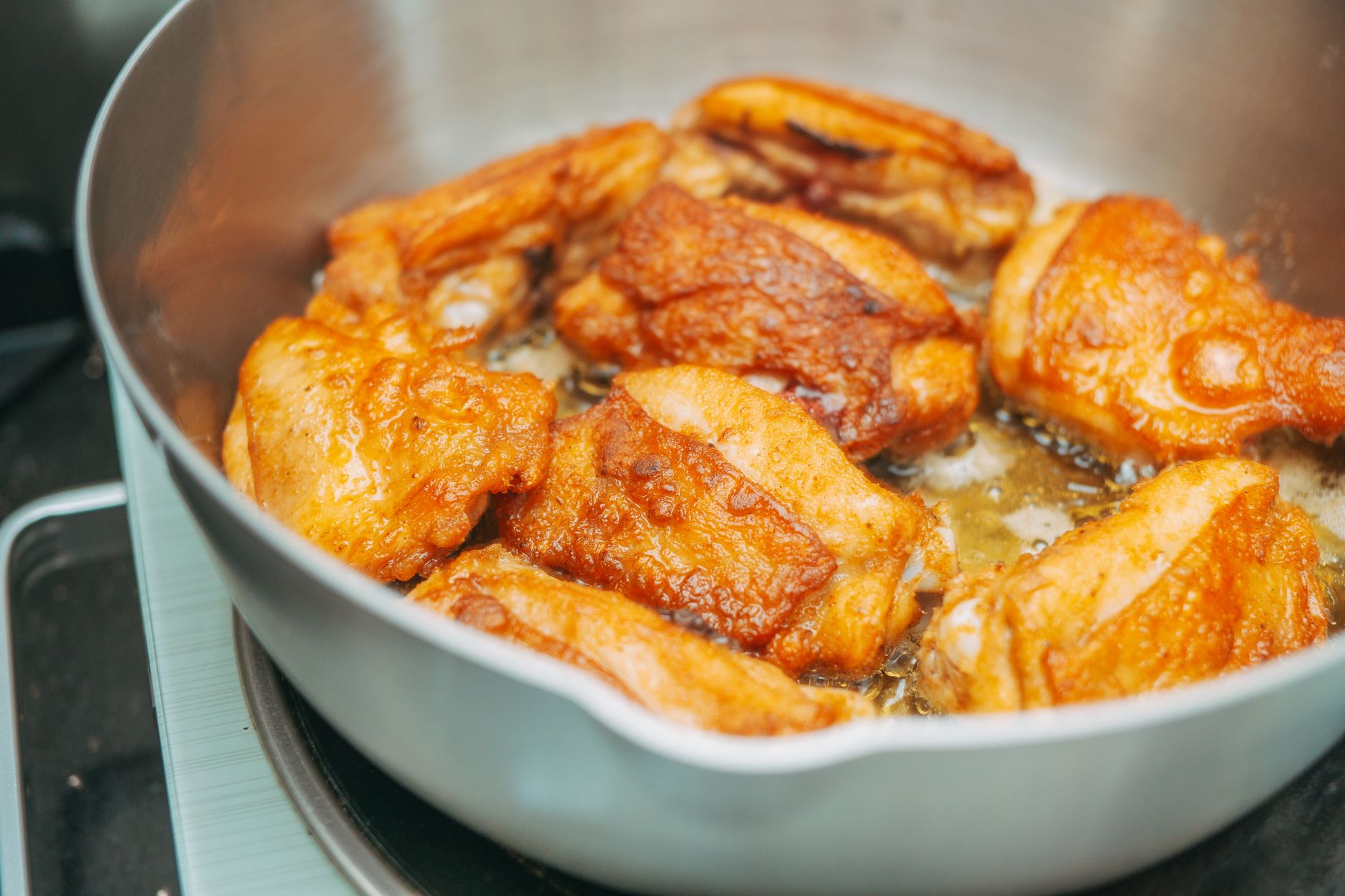
Why Korean Fried Chicken Takes 20 Minutes to Make
Korean fried chicken typically takes 15-20 minutes from order to table because each batch is double-fried fresh to order. The extra time is the technique, not a delay. Understanding why helps you plan your meal and appreciate what you're waiting for.
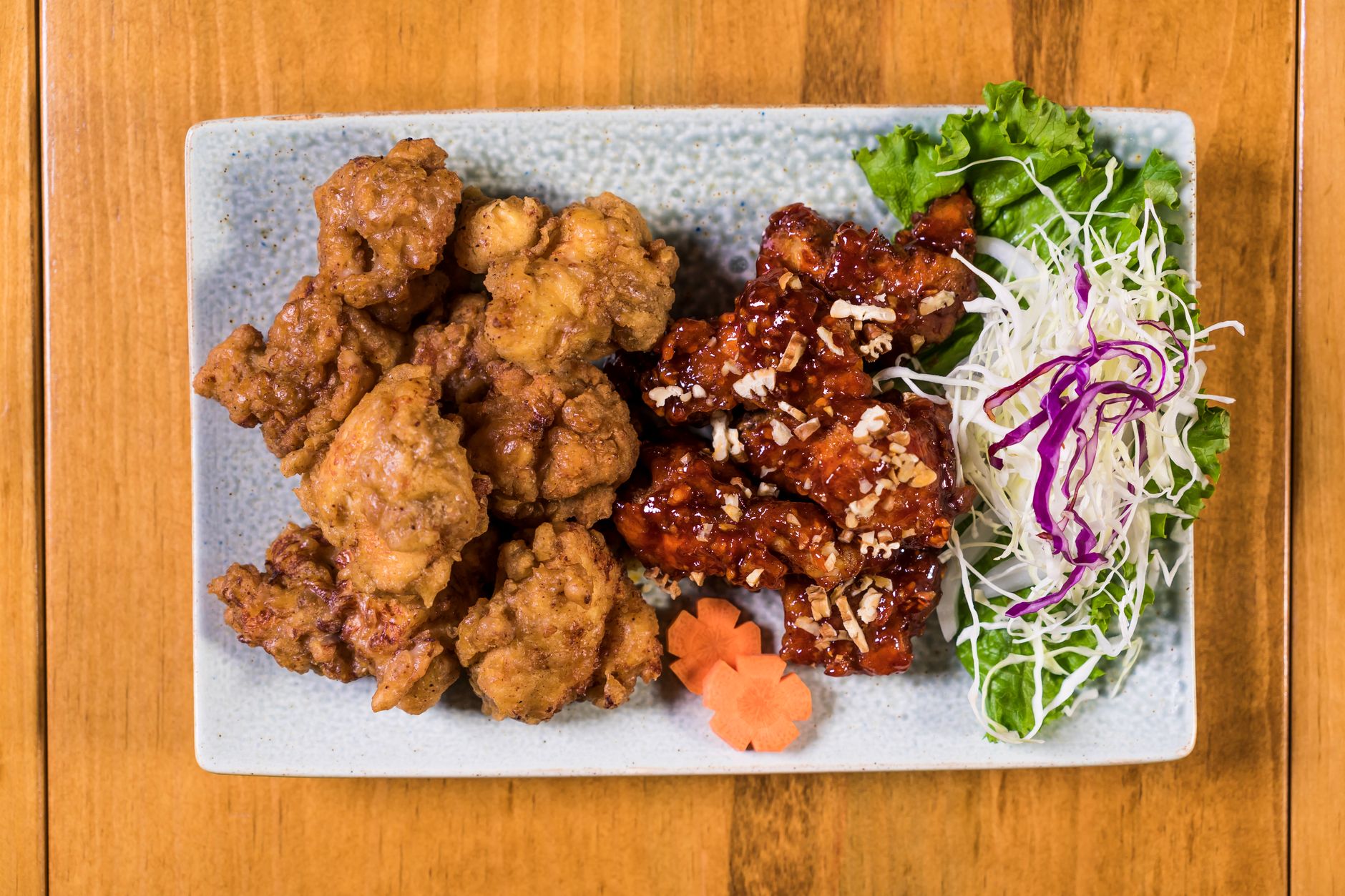
How to Reheat Korean Fried Chicken and Keep It Crispy
Leftover Korean fried chicken doesn't have to turn soggy. With the right reheating method, you can restore the shatteringly crispy double-fried crust that makes it special. This guide walks through every practical technique, from air fryer to oven to skillet, so your next-day chicken tastes almost as good as fresh.
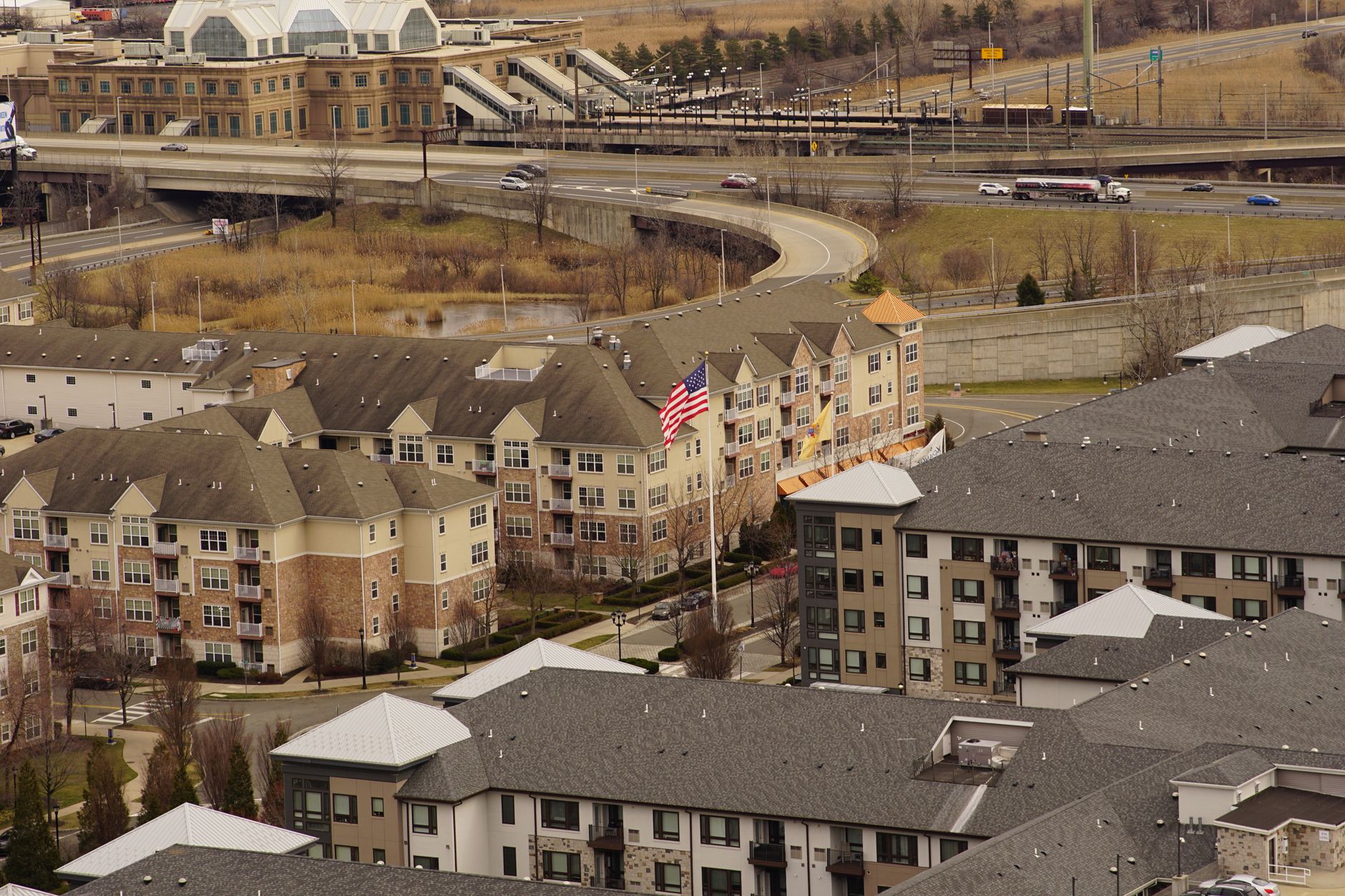
Parking Near Lemoine Ave: What to Know Before You Go
Parking on Lemoine Ave in Fort Lee is more manageable than it looks once you know where to look. This guide covers street parking rules, nearby municipal lots, garage options, and why ordering ahead at places like 101 Chicken can make the whole trip smoother.