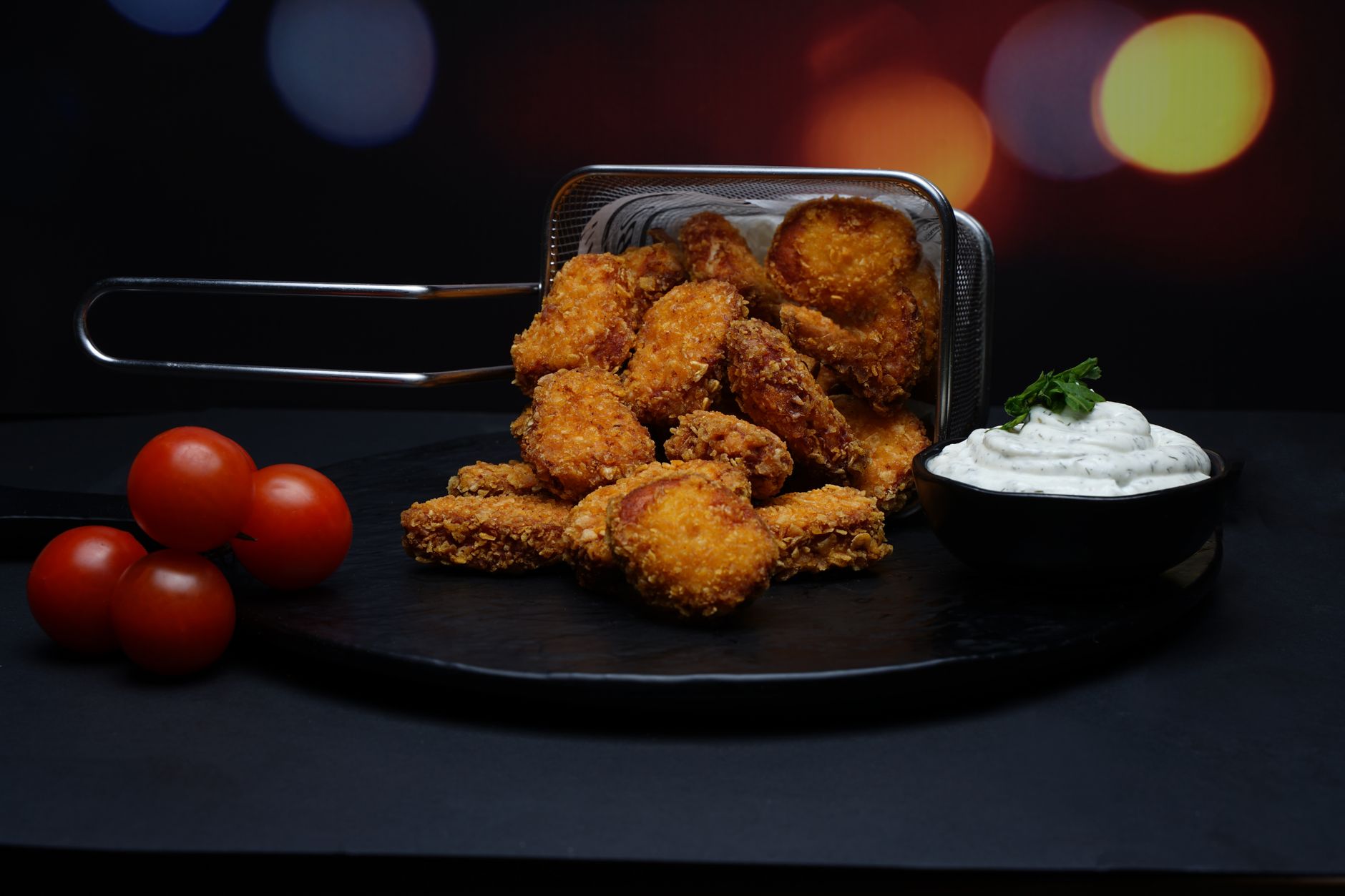
Korean fried chicken has a thin, glass-like crust that stays crispy longer, while American fried chicken has a thick, flour-based coating that is crunchy when fresh but softens quickly. Korean versions are typically double-fried, then sauced or glazed after cooking. American versions are breaded and seasoned before frying. Both are delicious, but the texture and flavor approach are fundamentally different.
What Makes Korean and American Fried Chicken Different at a Glance?
The two styles share a name and a cooking medium, but almost nothing else. Korean fried chicken uses potato starch or a thin batter, producing a brittle, ultra-crispy shell that shatters when you bite through it (mytipsguide.com). American fried chicken uses seasoned flour, often combined with a buttermilk or brine marinade, for a thick, craggy coating that is deeply savory from the first bite. The frying method differs too: Korean chicken is double-fried as standard practice, while American southern-style chicken is almost always single-fried. Flavor timing is the third structural difference. Korean fried chicken gets its character from sauces applied after the fry. American fried chicken carries its seasoning inside the breading itself. The global fried chicken market reflects growing appetite for both styles, sitting at $100.11 billion in 2025 and projected to reach $107.19 billion in 2026 (finance.yahoo.com). That growth is partly driven by Korean fried chicken's global rise. A 2025 survey of 11,000 consumers across 22 cities found that Korean fried chicken is now the most preferred K-food in the world (realinfotrip.com).
Quick Comparison: Korean vs American Fried Chicken
The table below puts the two styles side by side across the criteria that matter most to a first-time customer. Use it to set the right expectation before you order, because arriving at a Korean fried chicken counter expecting a thick KFC-style crust is how disappointment happens. The full list of write-ups is on our press page.
| Feature | Korean Fried Chicken | American Fried Chicken |
|---|---|---|
| Coating type | Potato starch or thin batter | Seasoned flour or breadcrumb breading |
| Crust thickness | Thin and glass-like | Thick and craggy |
| Frying method | Double-fried | Single-fried |
| Seasoning timing | Applied after frying via sauce or glaze | Mixed into batter or breading before frying |
| Crisp longevity | Stays crispy longer, handles delivery well | Crunchy when fresh, softens within minutes |
| Common flavor categories | Original, soy-garlic, spicy | Savory, peppery, buttermilk; Nashville hot as spicy variant |
| Oil absorption | Lower due to thin coating | Higher due to thick breading |
| Best eating context | Dine-in, delivery, takeout | Dine-in, immediate consumption |
How Does the Double-Fry Technique Change the Crust?
The double-fry is not a gimmick. It is the engineering reason Korean fried chicken crust behaves the way it does, and understanding the mechanics helps explain why no single-fry method can replicate the result. In the first fry, the chicken goes into oil at temperatures between 160°C and 190°C, which cooks the meat through and begins driving surface moisture out of the skin (www.101chicken.com). After resting, the chicken goes back into oil at a higher temperature. That second fry creates a rapid burst of steam from the remaining moisture inside the coating, which puffs and blisters the starch layer before the heat sets it rigid. The result is a shell with a near-hollow structure, meaning the crust is mechanically separate from the skin beneath it. That structural gap is what produces the audible crack when you bite through it. A single-fry crust, by contrast, stays compressed and moist-adjacent, which is why it softens fast. Research published in a peer-reviewed food science journal found that chicken coated with starch-based batter had a moisture content of just 30.49% and an oil content of 13.09%, both lower than comparable flour-breaded products (www.101chicken.com). Lower oil content matters to anyone who has ever felt heavy after a thick fried chicken meal.
Why Does Korean Fried Chicken Stay Crispier Longer?
Moisture is the enemy of a crispy fried chicken crust. Every fried food starts losing its crunch the moment it leaves the oil, because steam from the hot interior begins migrating outward and softening the coating from the inside. The double-fry removes significantly more of that internal moisture than a single fry can, leaving less steam available to degrade the crust after cooking. The starch coating compounds this advantage. Potato starch gelatinizes during frying into a rigid, low-absorbency shell rather than the porous, gluten-based network that seasoned flour creates. Gluten networks are flexible and absorbent, which is great for the initial crust texture of American fried chicken but accelerates sogginess when steam hits it. The starch shell does not absorb steam the same way. This is why double-fried Korean chicken still snaps audibly after a 15-minute drive home, a property that makes it a legitimately good delivery food in a category where most fried things arrive sad (mytipsguide.com).
What Flavor Profiles Can You Expect from Each Style?
American fried chicken front-loads its flavor. The marinade, typically buttermilk or a brine solution, tenderizes the meat and introduces seasoning deep into the protein before the coating goes on. Buttermilk's acidity, which sits around pH 4.3 to 4.6, partially denatures surface proteins and allows salt and spice to penetrate further than a dry rub could. The breading then locks that flavor in and adds a second layer of seasoned crust. What you taste in the first bite of American fried chicken reflects both layers. Korean fried chicken works in reverse. The batter or starch coating is usually lightly seasoned or neutral, because the assumption is that a glaze or sauce will finish the chicken after it leaves the fryer. Saucing a hot, just-fried piece of chicken lets the glaze cling to the rigid crust and set slightly, rather than soaking in and softening the coating. Common flavor categories are original, soy-garlic, and spicy, but the specific formulation varies by restaurant. Korean fried chicken is often finished with sauces like sweet-spicy or soy-garlic glazes, while American fried chicken is more often served dry or with sauce on the side (lotteriausa.com). This post-fry saucing approach means the crust stays crunchier than it would if the sauce were baked into the coating.
Is Korean Fried Chicken Spicier Than American Fried Chicken?
No, not automatically. This is the most common misconception we hear from first-time customers at 101 Chicken. In our experience, many diners arrive expecting heat as a defining characteristic of Korean fried chicken, when in fact the original and soy-garlic varieties are completely mild. In our experience, many diners arrive expecting heat as a defining characteristic of Korean fried chicken, when in fact the original and soy-garlic varieties are completely mild. Original and soy-garlic Korean fried chicken carry no significant heat at all. The original style lets the crust character speak for itself, which is useful if you want to understand what the style actually is before layering on flavor variables. Soy-garlic is savory, mildly sweet, and widely popular with every age group. Spicy variations exist, but heat level ranges widely by restaurant and recipe. American fried chicken also has extremely hot versions, Nashville hot chicken being the obvious example, so heat is not a Korean-specific trait. Choosing original or soy-garlic on a first visit removes the spice variable and lets you evaluate the style honestly.
Pros and Cons: Korean Fried Chicken vs American Fried Chicken
No style is objectively better. Each has real structural advantages and real trade-offs that depend on what you value in a fried chicken meal. Here is our honest read on both.
Korean Fried Chicken
Pros: The double-fried crust retains its crunch for significantly longer than any single-fry method. The thinner coating absorbs less oil, which keeps the eating experience lighter. Sauce variety gives you genuine flavor range across a single style. The crust holds up well during delivery and takeout, which matters in a region like Bergen County where commutes and drive times are real factors in what arrives edible.
Cons: First-time diners sometimes find the thinner crust less familiar and initially expect more breading. Post-fry sauces, particularly sweet-spicy glazes, can be a surprise if you expected dry chicken. The style is less universally available than American fast-food fried chicken, which means you need to find a dedicated Korean fried chicken spot to experience it properly.
American Fried Chicken
Pros: The flavor profile is deeply familiar to most American diners. The thick, craggy crust delivers a satisfying, substantial bite. Buttermilk marination produces tender meat throughout. Seasoning is built into the crust, so no sauce is required to enjoy it.
Cons: The crust begins softening within minutes of leaving the fryer, which makes it a poor delivery food. The thicker breading absorbs more oil during frying. Flavor range is narrower unless you are specifically ordering Nashville hot or a seasoned variant.
The verdict is straightforward: choose Korean fried chicken when you prioritize crust longevity, lighter texture, or delivery reliability. At 101 Chicken, we recommend starting with original or soy-garlic to experience the crust quality before layering in spice variables. Choose American fried chicken when you want immediate comfort, heavy seasoning baked into every bite, and a style you already know.
Should You Try Korean Fried Chicken for the First Time at 101 Chicken in Fort Lee?
At 101 Chicken, we think yes, and here is the concrete case for it. We are on Lemoine Ave in Fort Lee, NJ, which puts us within easy reach of the George Washington Bridge corridor and the surrounding Bergen County neighborhoods. Fort Lee sits at a real food-culture intersection between Korean culinary tradition and a dense, diverse commuter population. That context is not incidental. It means our customers range from lifelong Korean fried chicken eaters who know exactly what they want to first-timers who walked in because they read one article and got curious. We see both every weekend.
Our kitchen uses robot-assisted technology to manage oil temperature and fry timing consistently across every batch. That matters more than it might seem. The double-fry technique is only as reliable as the oil temperature control behind it. At 101 Chicken, we have invested in robot-assisted technology to ensure that oil temperature remains consistent across every batch, eliminating the variability that comes from manual frying methods. Human judgment varies by shift, by fatigue, and by volume. Automated temperature management means the first order of the night and the thirty-fifth order of the night come out of the same process. ABC7 New York covered the robot kitchen approach in 2024, and NJ.com noted it as inventive by local restaurant standards. Kitchen robotics is a growing category, with the global market valued at $2.86 billion in 2025 and projected to reach $3.15 billion in 2026 (researchandmarkets.com). We are using it practically, not as a novelty.
What Should a First-Time Korean Fried Chicken Customer Order?
Start simple. That is our standing recommendation for anyone who has never had Korean fried chicken before. Order original or soy-garlic, not because the spicy options are too intense, but because the spice variable competes with your ability to evaluate the crust. Consider a scenario: you live in Palisades Park and you are trying Korean fried chicken for the first time on a Friday night after a long commute. You order the spiciest option. You spend the meal focused on heat management rather than noticing how the crust behaves, how it resists sogginess, and how different the texture feels from what you usually eat. Start with soy-garlic, let the crust do the convincing, and work outward from there on your next visit. Online ordering through our platform lets you browse current flavor options and portion sizes before you commit. Confirm what is on the menu at the time you order, because offerings can shift. Dine-in, pickup, and delivery are all available, and our late-night weekend hours mean a first try does not have to be planned in advance. ABC7 New York reported on the robot chefs working our fry station.
Published: September 2026. Last updated: September 2026.
Frequently Asked Questions
Is Korean fried chicken healthier than American fried chicken?
Why does Korean fried chicken cost more than fast-food American fried chicken?
Can you eat Korean fried chicken if you do not like spicy food?
What is the difference between Korean fried chicken and Japanese karaage?
How does a robot kitchen affect the quality of fried chicken at 101 Chicken?
How do Korean and American fried chicken differ in frying techniques?
What sauces and seasonings are most common in Korean fried chicken?
Why is Korean fried chicken often crispier than American fried chicken?
Which side dishes are traditionally served with each style?
Can I make Korean fried chicken using an American fried chicken recipe?
Sources & References
- Kitchen Robotics and Automation Market Report 2026[industry]
- Fried Chicken Industry Surpasses $100 Billion; Expected to Reach $107.19 Billion in 2026[industry]
- Korean vs American Fried Chicken[industry]
- How to Reheat Korean Fried Chicken and Keep It Crispy[industry]
- Korean Fried Chicken Guide (2026): Best Brands, Menus & Chimaek[industry]
- abc7ny.com[industry]
About the Author
101 chicken
101 Chicken is Fort Lee's premier destination for fresh, expertly prepared chicken dishes, offering convenient dine-in and online ordering seven days a week with extended late-night weekend service.
Learn more at www.101chicken.com →Related Posts
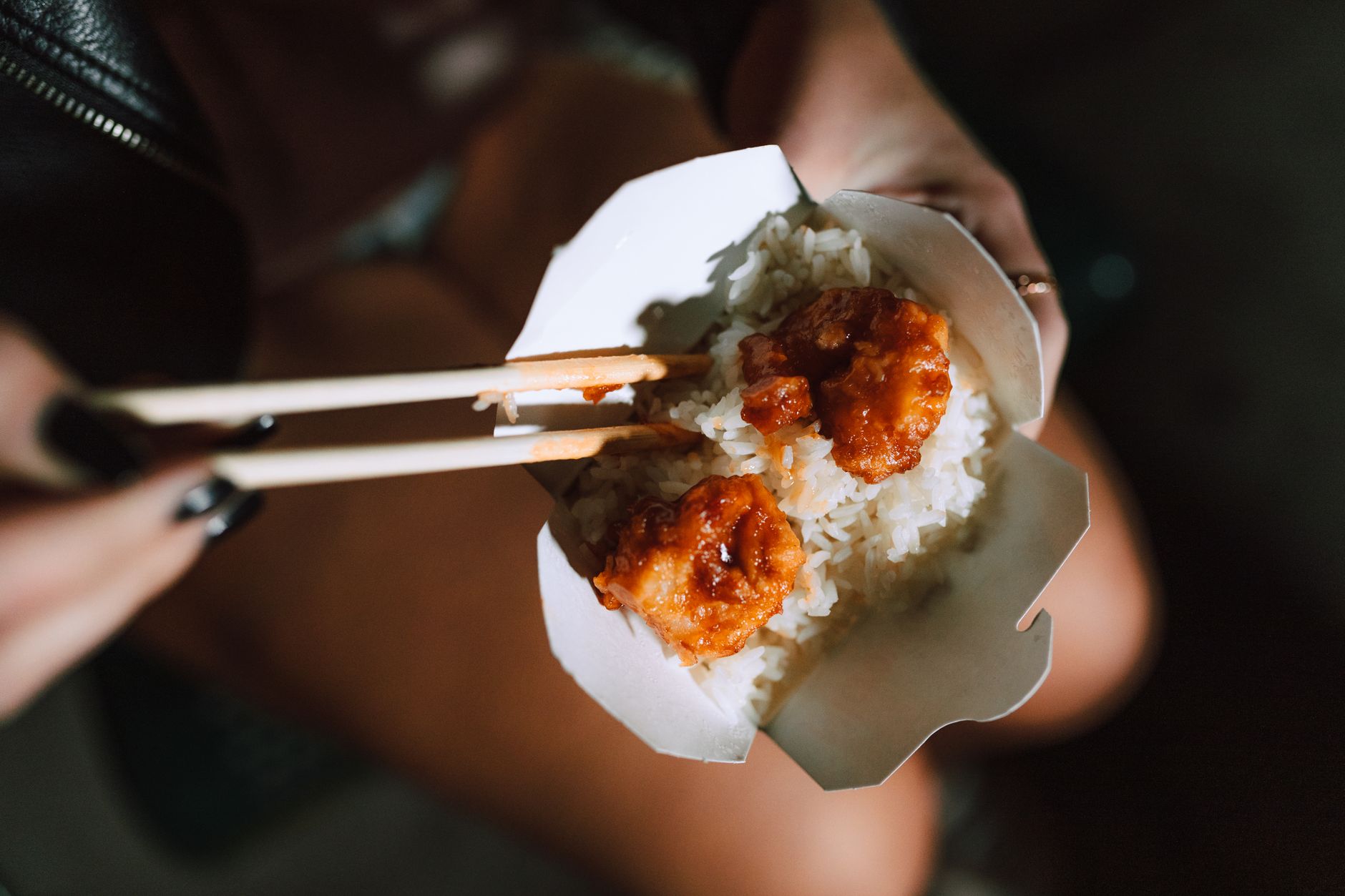
Korean Fried Chicken Delivery Near Fort Lee: Which Towns Can Order?
Wondering which towns near Fort Lee can get Korean fried chicken delivered? This guide breaks down delivery availability by town, covering Fort Lee, Edgewater, Cliffside Park, and Palisades Park. Find the right spot for your neighborhood.

7 Best Places to Grab Food Near the George Washington Bridge
Whether you're crossing from Manhattan or looking for a late-night meal after a long day, Fort Lee has a surprisingly strong dining scene right off the George Washington Bridge. From Korean fried chicken to classic diners, here are seven spots worth knowing about.
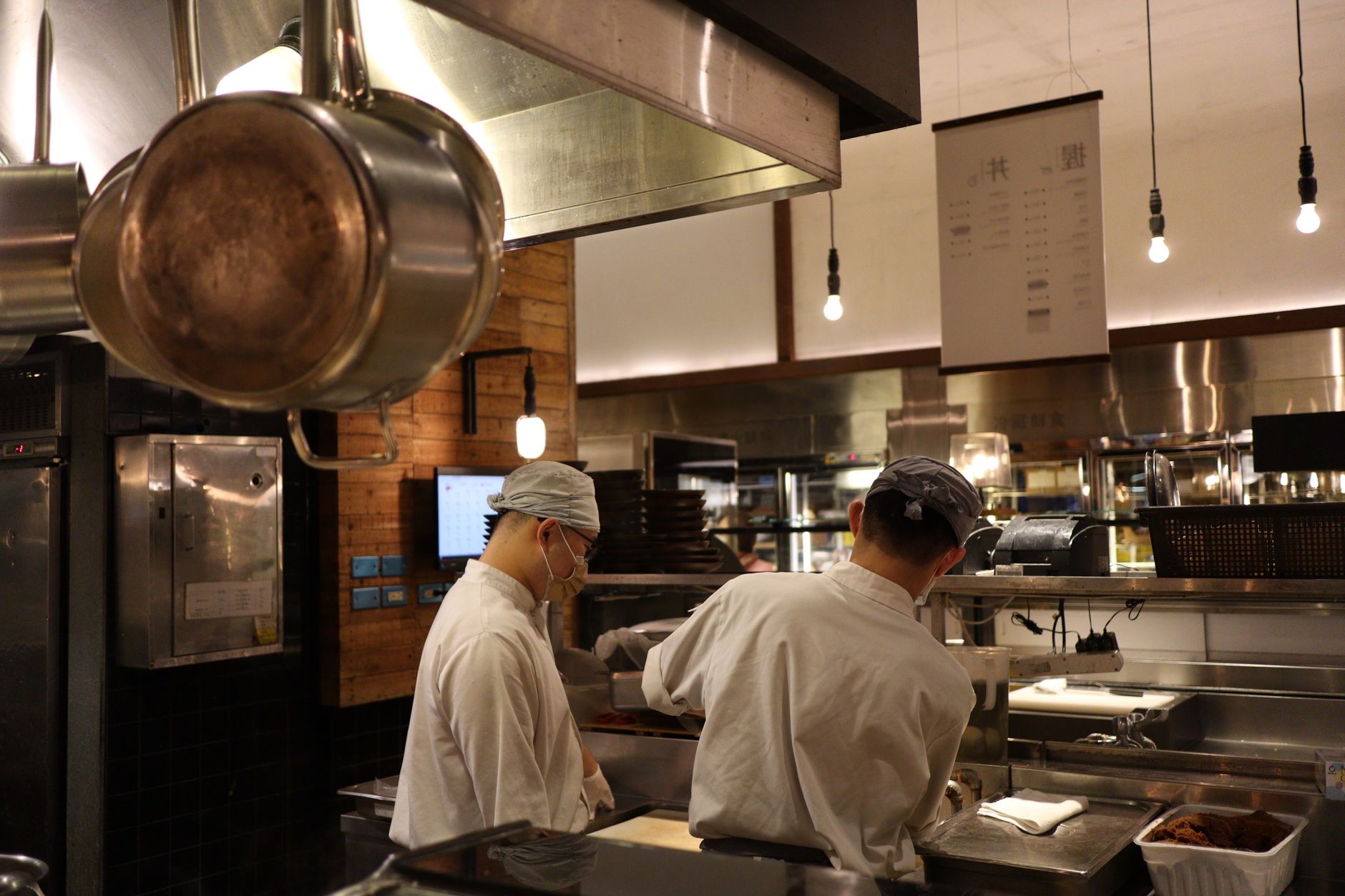
Why 101 Chicken Built a Robot Kitchen: The Case for Automation in Fried Chicken Restaurants
Labor costs are consuming restaurants at record rates, and fried chicken kitchens are no exception. 101 Chicken on Lemoine Ave in Fort Lee, NJ responded by integrating a robot-assisted kitchen system. This post breaks down the economics, the operational logic, and what it means for the future of chicken restaurant franchising.