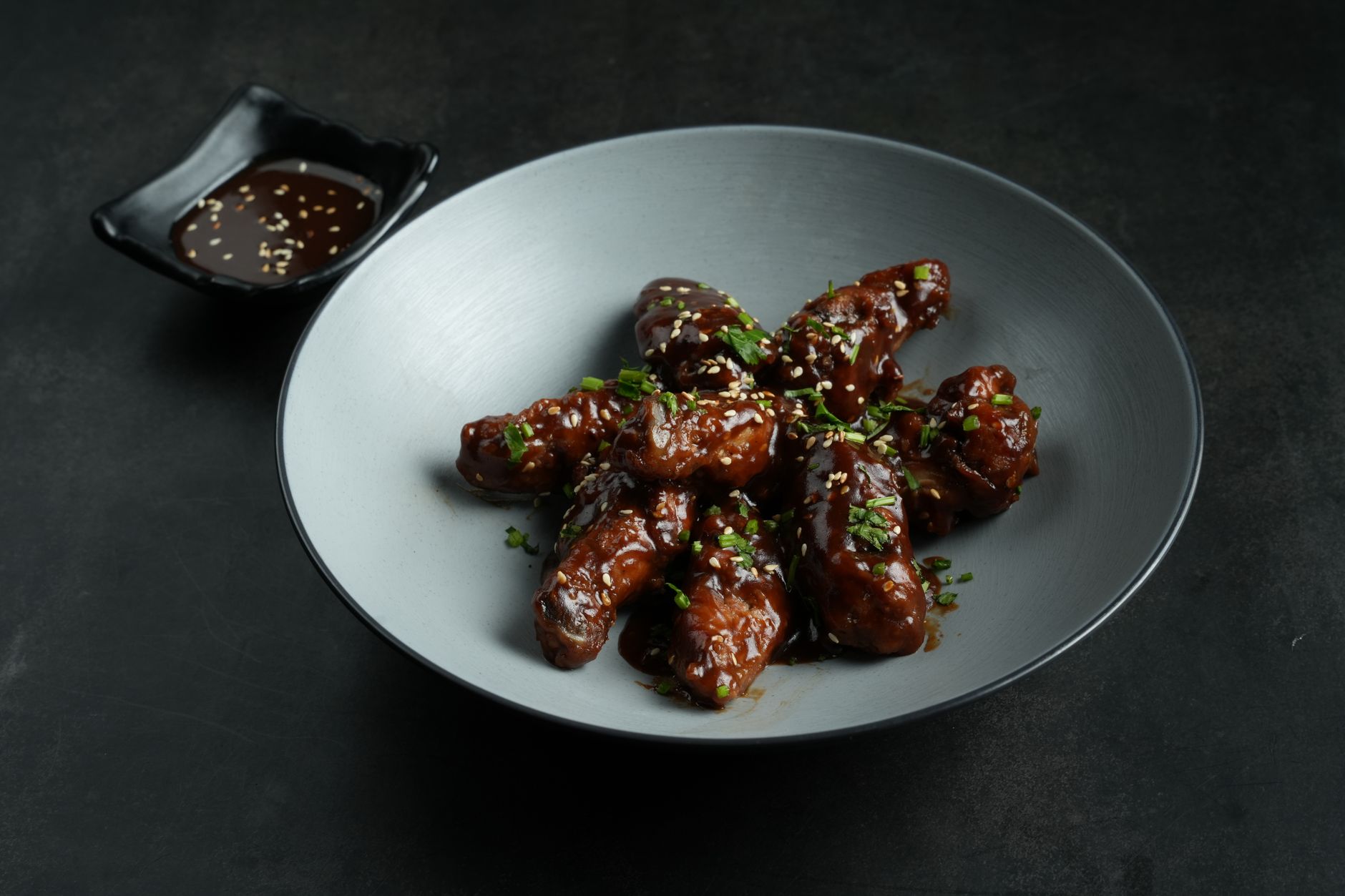
Is Korean Fried Chicken Spicy? Sauce Heat Levels Explained
By 101 chicken11 min read
Korean fried chicken is not always spicy. Restaurants typically offer soy-glazed or plain original options that are completely mild, alongside medium and hot chili-based sauces. You choose the heat level when you order. First-timers in Fort Lee and across the country can enjoy Korean fried chicken by starting with a mild or soy-glazed option and working up from there.
What Makes Korean Fried Chicken Different From American Fried Chicken?
Korean fried chicken is a genuinely different product from what most Americans grew up eating. The cooking method, the coating, and the seasoning philosophy all differ in ways that matter to a first-time guest trying to set accurate expectations before they order.
American fried chicken typically uses a thick, heavily seasoned batter that fries together with the meat, producing a dense, often greasy crust. Korean fried chicken uses a much thinner coating and a double-fry technique: the chicken goes into the oil at around 325°F until it is about 80% cooked (ecert.itf.gov.ng), then it is pulled out, rested, and fried a second time at higher heat. The result is a thin, glass-like crust that shatters when you bite into it. Many first-timers are genuinely surprised by how un-greasy it feels. The base chicken itself carries no chili heat at all. Spice level is entirely a function of which sauce you choose, not how the kitchen cooked it. That distinction is the most important thing to understand before you order.
Why Does Sauce Get Added After Frying?
The sauce goes on after the double-fry for a practical reason: steam is the enemy of crunch. At 101 Chicken on Lemoine Ave in Fort Lee, NJ, our robot-assisted kitchen handles the fry process with consistent timing on every batch, so the crust quality you read about in reviews is the crust quality you actually receive. In our experience, this consistency is what separates a forgettable first try from a genuinely good introduction to Korean fried chicken. If sauce sits in the oil or gets poured over hot chicken inside a covered pan, the moisture turns the crust soft within minutes. Applying the glaze to already-fried, rested chicken preserves the texture. For you as a customer, this is genuinely good news. The same crispy base chicken travels through the kitchen whether it ends up soy-garlic or fire-chili. That means you are not locked into a soggy mild option or a compromised spicy one. At 101 Chicken on Lemoine Ave in Fort Lee, NJ, our robot-assisted kitchen handles the fry process with consistent timing on every batch, so the crust quality you read about in reviews is the crust quality you actually receive. NJ.com covered the kitchen setup, and ABC7 New York reported on it in 2024 as well. Consistency matters especially for first-time guests who want to know what they are signing up for. The full list of write-ups is on our press page.
How Do the Main Sauce Categories Compare in Heat?
Korean fried chicken menus organize around three broad sauce families. Understanding those families removes most of the guesswork before you even look at a specific restaurant's menu. Each family produces a different flavor experience, and the heat levels within them range from zero to genuinely hot.
| Sauce Family | Main Ingredients | Heat Level | Flavor Profile |
|---|---|---|---|
| Original / Plain | Light dry seasoning or no sauce | None | Clean, neutral, crispy |
| Soy-Garlic | Soy, garlic, sugar, sesame | None | Sweet, savory, umami |
| Sweet and Spicy | Gochujang, soy, sugar, garlic | Low to Medium | Sweet-forward with building warmth |
| Yangnyeom | Gochujang, sugar, garlic, aromatics | Medium to Hot | Sticky, glossy, slow-building heat |
| Buldak / Fire | High-concentration chili, gochugaru | Hot to Very Hot | Intense, sharp, direct burn |
Always confirm current sauce options and heat levels directly with the restaurant before ordering, since seasonal specials and recipe adjustments happen regularly.
What Is Yangnyeom Sauce and How Hot Is It?
Yangnyeom is the sauce most people picture when they hear "Korean fried chicken." It is sticky, deeply glossy, and coats each piece in a thick layer of sweet-spicy flavor. The base is gochujang combined with sugar, garlic, and other aromatics, and the heat it delivers builds gradually rather than arriving as an immediate sharp burn. That slow build is one of the defining characteristics of gochujang-based sauces, and it catches some first-timers off guard after the third or fourth piece when the cumulative warmth settles in. The sugar content in yangnyeom is substantial, which softens the perceived heat considerably compared to a raw chili sauce with the same capsaicin load. Across different restaurants, yangnyeom varies more than any other sauce category. For example, imagine you are a late-night food seeker in Fort Lee who orders yangnyeom from one Korean fried chicken spot on Friday and finds it sweet and approachable, then tries the same sauce at another location the following week and discovers it leans noticeably hotter. That variation is exactly why asking your server about heat level before ordering makes the difference between a satisfying meal and an unexpected surprise. Some kitchens run it at a mild-medium level that most moderate spice eaters handle easily. Others push it toward genuinely hot. There is no industry-standard recipe. The right move is always to ask whether a specific restaurant's yangnyeom leans sweet or leans hot before you commit.
What Is Soy-Garlic Sauce and Is It Spicy?
Soy-garlic contains no chili. None. It is built on soy sauce, garlic, sugar, and often a touch of sesame, and the flavor is savory-sweet with a noticeable but not aggressive garlic character. No burning sensation, no lingering heat. At 101 Chicken, soy-garlic is the sauce we most often recommend to guests who are trying Korean fried chicken for the first time and are not sure about heat. In our experience, this approach removes the biggest source of first-time regret because guests know exactly what flavor profile to expect before they take their first bite. In our experience, this approach removes the biggest source of first-time regret because guests know exactly what flavor profile to expect before they take their first bite. The garlic flavor can be assertive depending on the recipe, but assertive garlic is a very different experience from chili heat. If you are genuinely heat-averse, original plain or soy-garlic is where to start.
How to Order Korean Fried Chicken for the First Time Without Regret
Ordering something unfamiliar at a restaurant carries real risk of disappointment, and Korean fried chicken has enough variety that a bad first choice can color your whole impression of the cuisine. Here is a practical framework that works whether you are ordering at 101 Chicken in Fort Lee, NJ, or at any other Korean fried chicken spot.
Start with original or soy-garlic if you are heat-sensitive. Both options are genuinely delicious on their own and not consolation prizes for people avoiding spice. If you want to explore the spicy side but are unsure of your tolerance, ask the staff directly whether their spicy option is mild-medium or full-heat. A half-and-half order, split between one mild sauce and one spicy sauce, is a widely accepted way to sample both without committing fully. Menu labels like "fire," "extra hot," or "nuclear" signal heat levels that go well beyond standard yangnyeom and are intended for experienced spice eaters. Have something starchy or dairy-based nearby if you are trying a chili sauce for the first time. Milk, cheese, and rice all help cut capsaicin. Water does not. A 2023 study found that 88.0% of food delivery users ordered to replace a main meal (e-nrp.org), and 66.9% of those orders were for dinner (e-nrp.org), which tells us most people are ordering Korean fried chicken in a relaxed, at-home setting where they can actually pace themselves and try different sauces without pressure.
Why 101 Chicken Is a Good Place to Try Korean Fried Chicken for the First Time
We are biased, but we think 101 Chicken on Lemoine Ave in Fort Lee, NJ is a particularly good starting point for anyone new to Korean fried chicken. Fort Lee sits in one of the most concentrated Korean-American dining communities in New Jersey, which means the preparation here reflects what the cuisine actually is, not a diluted version built for unfamiliar palates. Our robot-assisted kitchen produces consistent results batch to batch, so the sauce balance and crust texture you read about in a review or this post is what you actually receive on your table. That consistency matters more than people realize on a first visit. We are open seven days a week with late-night weekend hours, which means a spontaneous Friday or Saturday night decision never gets blocked by early closing times. Dine-in, pickup, and delivery are all available. Call ahead or check our online ordering notes to confirm current sauce options and heat levels before you commit to a choice. That one step removes the biggest source of first-time regret. ABC7 New York reported on the robot chefs working our fry station.
What Drives the Heat in Korean Chili Sauces?
The heat in Korean fried chicken sauces comes from two primary ingredients: gochujang and gochugaru. Understanding what each one does to a sauce explains why Korean chili heat feels different from the chili heat in, say, a Buffalo wing or a Thai curry.
Gochujang is a fermented chili paste. The fermentation process breaks down starches into sugars, which is why gochujang tastes slightly sweet before the heat arrives. It also develops glutamates during fermentation, giving it a deep umami character that raw chili paste simply does not have. The capsaicin is present, but it sits inside a matrix of sugar and fermented complexity, which is why the heat from gochujang builds gradually rather than hitting immediately. Gochugaru is dried Korean chili flakes with a brighter, more direct heat profile and a mild fruity note. Many restaurant sauces blend both ingredients, adjusting the ratio to control intensity and flavor depth. Beyond the chili components, almost every Korean fried chicken sauce adds sugar and soy sauce, both of which directly soften perceived heat. This is the core reason Korean chili sauces taste more sweet-spicy than painfully hot at moderate heat levels. The capsaicin is balanced against sweetness and salinity in a deliberate way. Garlic and sesame oil round out the flavor without contributing heat.
How Does Korean Chili Heat Feel Compared to Other Cuisines?
Korean chili heat is warm and cumulative. It does not arrive as the sharp, immediate sensation that cayenne-heavy sauces like Tabasco (rated at 2,500 to 5,000 SHU) produce (notesfromtheroad.com). Frank's RedHot sits at 450 SHU (notesfromtheroad.com), and Crystal Louisiana Hot Sauce sits at 4,000 SHU (notesfromtheroad.com), which gives you a useful reference frame: a standard Korean yangnyeom sauce is broadly in the same neighborhood as these common American hot sauces, but the flavor context around it is very different. The fermented sweetness of gochujang makes the heat feel more integrated and less aggressive than a straight vinegar-chili sauce. Compared to Szechuan peppercorn-based dishes, which create a numbing sensation, or Thai bird chili, which delivers sharp immediate heat, Korean chili sauce tends to be more approachable for moderate spice eaters. This does not mean Korean fried chicken is mild. Buldak-style fire sauces, which use concentrated chili extract and high-ratio gochugaru, reach genuinely intense heat levels that exceed what most casual spice eaters are prepared for. The range is wide. The point is that the flavor architecture of Korean chili sauce makes the experience feel more balanced than the raw Scoville number alone would predict.
One more point worth raising: some Korean fried chicken restaurants offer creamy sauce variants that blend chili paste with mayonnaise or a similar dairy-based emulsifier. The fat in the mayo coats capsaicin molecules and prevents them from binding as aggressively to pain receptors. A creamy gochujang sauce can carry the same chili concentration as a straight yangnyeom but deliver noticeably less perceived heat. If you see a creamy or mayo-based spicy option on a menu, that is typically the most accessible entry point into the hot-sauce category for someone with low spice tolerance.
Global chicken production exceeded 100 million metric tons in 2023 (atlantis-press.com), and Korean fried chicken has been a significant part of the international growth story within that figure. The cuisine earned its international footprint because the flavor is genuinely distinct. That distinction starts with the sauce, and the sauce starts with understanding what gochujang actually is.
Frequently Asked Questions
Is Korean fried chicken spicy by default, or do you choose?
You choose. Korean fried chicken is not automatically spicy. The base chicken is neutral, and restaurants offer a range of sauces from completely mild soy-garlic or plain original to medium yangnyeom and genuinely hot fire-chili options. You select your sauce when you order. No sauce means no heat at all.
What is the mildest sauce option at a Korean fried chicken restaurant?
The mildest options are plain original, which uses no sauce or a light dry seasoning with zero heat, and soy-garlic glaze, which is sweet, savory, and umami-forward with no chili ingredient at all. Either works well for guests who are heat-sensitive or trying Korean fried chicken for the first time.
Can I order Korean fried chicken with no sauce at all?
Yes. Most Korean fried chicken restaurants offer a plain or original option with no sauce applied. The chicken arrives with its crispy double-fried coating intact, seasoned lightly or not at all. It is a great way to taste the cooking method itself before adding any sauce into the experience.
What does gochujang taste like and how hot is it?
Gochujang is a fermented Korean chili paste that tastes deeply savory, slightly sweet, and mildly smoky before the heat arrives. The heat builds gradually rather than hitting immediately, because fermentation adds sugars that soften the capsaicin's impact. It is complex and warm rather than sharp. Confirm heat levels with your specific restaurant, as recipes vary.
Is soy-garlic Korean fried chicken sweet or savory?
Soy-garlic is primarily savory with a noticeable sweet undertone. It is built on soy sauce, garlic, and sugar, often finished with sesame. There is no chili component, so it produces no heat at all. The garlic can be assertive depending on the recipe, but the overall flavor experience is sweet-savory and approachable for almost everyone.
How do I know if a restaurant's spicy is actually hot or just medium?
Ask directly. Korean fried chicken menus use terms like spicy, yangnyeom, fire, and extra hot inconsistently across different restaurants. What one kitchen labels medium another may call spicy. The most reliable approach is to call ahead or ask staff whether their spicy option is mild-medium or full-heat before you place your order.
Does 101 Chicken in Fort Lee offer mild options for people who don't like heat?
Yes. 101 Chicken on Lemoine Ave in Fort Lee, NJ offers sauce options across the heat spectrum, including mild choices suitable for guests who do not eat spicy food. Call ahead or check online ordering notes to confirm current sauce availability before you order, since the menu can include seasonal options.
What should I drink or eat to cool down if Korean fried chicken turns out too spicy?
Reach for dairy or starch, not water. Milk, cheese, yogurt, and rice all help neutralize capsaicin because fat and protein bind to the capsaicin molecules and carry them away from pain receptors. Water does not bind to capsaicin and mostly spreads it around. A cold glass of milk or a side of white rice is the practical fix.
How spicy is yangnyeom sauce compared with gochujang sauce?
Yangnyeom sauce is made with gochujang as its primary heat ingredient, so the two are related. Straight gochujang paste is more intensely concentrated. Yangnyeom dilutes and balances gochujang with sugar, garlic, and other aromatics, making it notably sweeter and more approachable. Yangnyeom is typically medium heat; straight gochujang application can run hotter depending on the recipe.
What are the mildest Korean fried chicken flavors?
Plain original and soy-garlic are the mildest options at virtually every Korean fried chicken restaurant. Original uses no chili at all and lets the crispy coating speak for itself. Soy-garlic adds a savory-sweet glaze with no heat component. Both are genuinely delicious rather than compromise options, and both are widely recommended as starting points for first-timers.
Which Korean chicken sauces are the hottest?
Buldak-style and fire sauces sit at the top of the heat range. They use concentrated chili extract, high-ratio gochugaru, or both, and they are designed for experienced spice eaters. Menu labels like fire, nuclear, or extra hot signal this tier. Always ask staff to confirm whether a specific item falls into this category before ordering.
Is dakgalbi spicier than Korean fried chicken?
Dakgalbi is a stir-fried chicken dish marinated in gochujang and gochugaru before cooking, so the chili heat is cooked directly into the meat rather than applied as a separate sauce. It typically delivers more pervasive heat than a sauced Korean fried chicken order at the same spice label, though intensity varies by restaurant and recipe.
How can I make Korean fried chicken less spicy?
Order a mild sauce like soy-garlic or plain original instead of a chili-based one. If you have already ordered something too hot, eat it alongside white rice, which absorbs heat, or pair it with dairy like a milk-based drink or cheese. Some restaurants also offer creamy or mayo-blended sauce variants that soften chili heat significantly.
Sources & References
- Modification of Frying Oil and Batter for Fat Uptake Reduction in Deep-Fried Chicken Products: An Overview[industry]
- Should I Fry My Chicken Twice? Uncovering the Secrets of Double Frying for the Perfect Crisp[industry]
- Hot Sauces of the World: An Illustrated Guide by Type[industry]
- abc7ny.com[industry]
About the Author
101 chicken
101 Chicken is Fort Lee's premier destination for fresh, expertly prepared chicken dishes, offering convenient dine-in and online ordering seven days a week with extended late-night weekend service.
Learn more at www.101chicken.com →Related Posts
Where to Eat Late in Fort Lee: 8 Kitchens Still Open Past 10 PM
Most Fort Lee restaurants close their kitchens by 9:30 PM, leaving late-night diners with slim pickings. This guide cuts through the guesswork with eight verified spots across Korean, Japanese, Latin, diner, and quick-service categories where the kitchen is genuinely still cooking past 10 PM, not just the bar.
11 min read
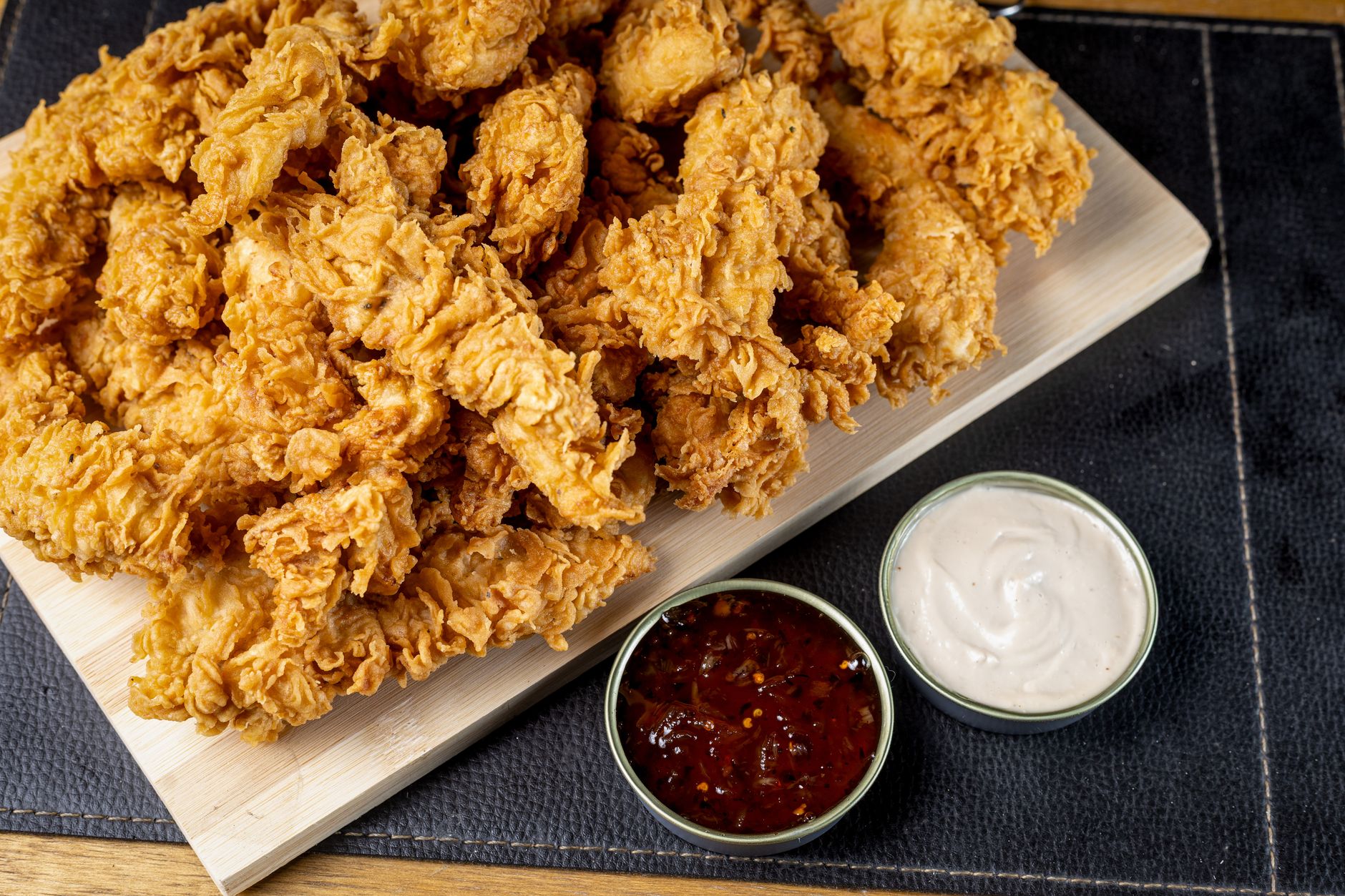
7 Chicken Restaurants Open Late on Weekends in Fort Lee, NJ
Finding great chicken after 10 PM in Fort Lee, NJ is easier than you think. This guide covers the best chicken restaurants open late on Friday and Saturday nights, from Korean fried chicken specialists to quick-service favorites near the George Washington Bridge.
10 min read