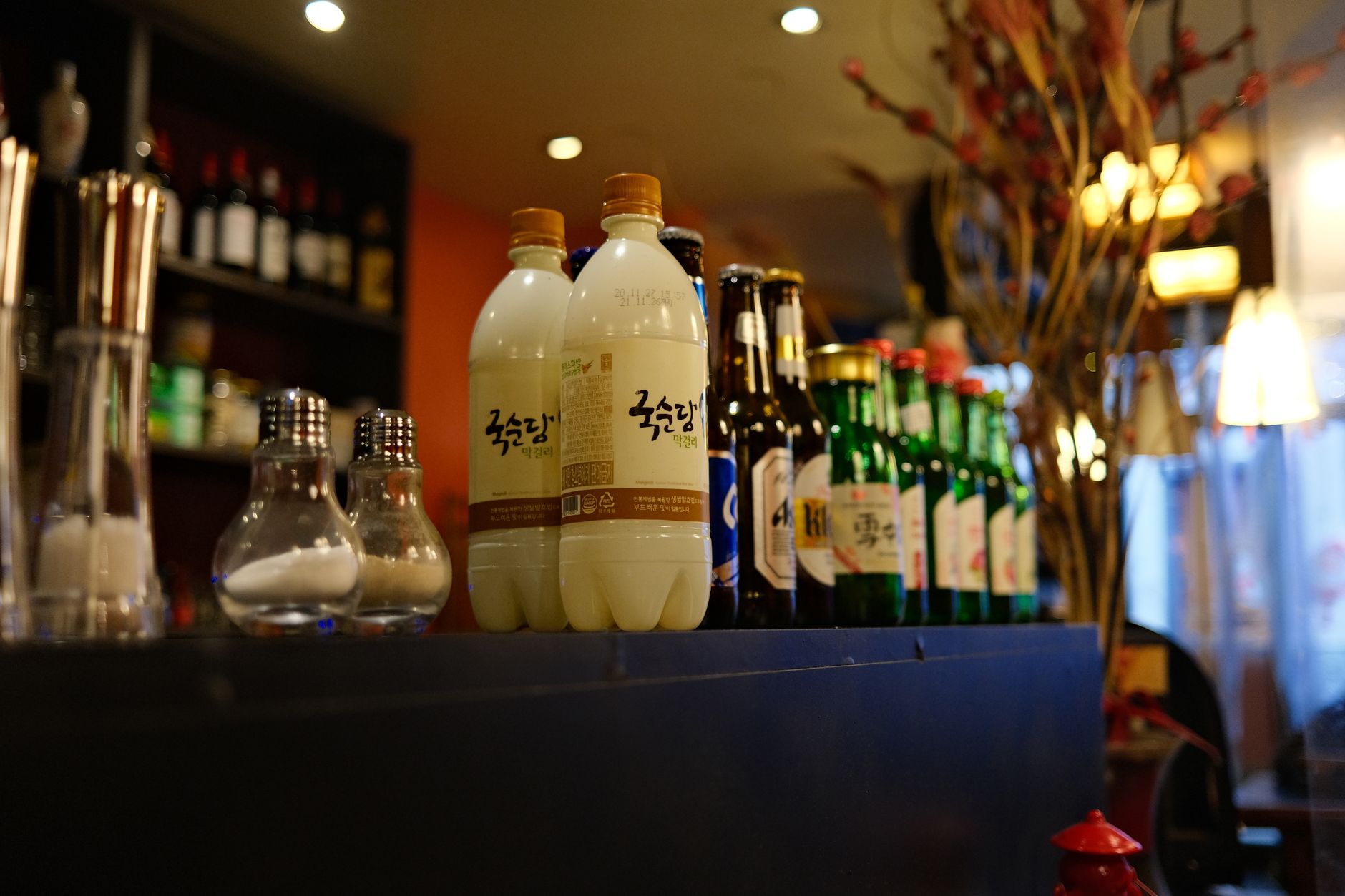
For first-timers, an independent Korean fried chicken spot like 101 Chicken in Fort Lee usually beats a chain. You get fresher preparation, a focused menu, and approachable flavor categories like soy, spicy, and original. Chains offer familiarity, but independents typically deliver more care per order. Confirm spice levels and ingredients directly with the restaurant before you go.
What Is the Real Difference Between a Korean Fried Chicken Chain and an Independent Spot?
The gap between a chain and an independent Korean fried chicken restaurant is not just about branding. It goes straight to the cooking process, the sourcing decisions, and the expectations of the people eating there. Bergen County, NJ sits in one of the most Korean-American-dense corridors in the United States, which means local restaurants in Fort Lee, Palisades Park, and Ridgefield Park face a discerning crowd that notices shortcuts. That community pressure raises the quality floor for every independent spot operating in this area. Chains, by contrast, build consistency through centralized supply chains and rigid staff protocols, a system that works well across dozens of locations but can flatten the eating experience into something predictable rather than genuinely good. The global Korean fried chicken restaurant market was valued at USD 9.73 billion in 2025 and is projected to grow at a 5.1% CAGR through 2034 (growthmarketreports.com), a trajectory that tells you this cuisine is not a passing trend. When you visit an independent spot in a market like Bergen County, you are tapping into that growth at its most local and most carefully prepared level.
At 101 Chicken on Lemoine Ave in Fort Lee, we operate as a single-location independent. Our menu is tight by design. A focused selection means every item gets full attention rather than being one of forty options competing for kitchen bandwidth. That is a structural advantage chains cannot replicate without abandoning the standardization that makes them scalable.
How Does the Cooking Process Differ Between Chains and Independents?
Chains train staff to follow timed protocols. That works, but quality shifts when employee turnover is high or a location is understaffed during a rush. Independent Korean chicken shops are generally associated with more old-fashioned, hands-on preparation (trablind.com), which can produce excellent results but also means your experience varies more based on who is working. We addressed this problem directly. Our kitchen uses a robot-assisted cooking system, which controls oil temperature, timing, and batch sizing with the kind of precision that chains typically achieve only through rigid corporate engineering. ABC7 New York covered this when they reported on robot chefs cooking food at 101 Chicken. The practical benefit for a first-timer: your order is not crispier or less crispy depending on the shift. Batch-to-batch consistency is built into the process, not dependent on individual attention. That is a meaningful advantage worth knowing before you decide where to go. The full list of write-ups is on our press page.
How Do Flavor Options Compare at Chains vs. Independent Korean Fried Chicken Restaurants?
Korean fried chicken flavors generally fall into three categories that appear at both chains and independents: original (plain crispy, showcasing the double-fry texture), soy-garlic (savory and slightly sweet, often considered the most accessible starting point), and spicy (typically gochujang-based). The gochujang market alone was valued at USD 14.9 billion in 2026 and is growing at an 8.5% CAGR (verifiedmarketreports.com), which reflects how deeply that flavor profile has penetrated mainstream American dining. Chains tend to present these categories with branded names and published heat scales. That structure feels reassuring, but spice tolerance is personal, and a chain's "medium" can be very different from what you expect. The labeling can mislead as easily as it guides.
Independent spots may not publish heat levels online. That is not a warning sign. It is an invitation to ask. A good independent restaurant will answer flavor questions directly and honestly. We recommend calling ahead or asking staff in person, especially if you have dietary restrictions or a low spice tolerance. At 101 Chicken, we offer soy, spicy, and original categories. We do not publish specific heat numbers here because spice perception varies widely, and we would rather you get an accurate answer from us directly than rely on a number that may not match your experience. For first-timers, soy-garlic style is widely regarded as the most approachable entry point regardless of which type of restaurant you visit. Independent restaurants that fry to order and offer options like half-and-half sauces are strong quality indicators worth seeking out (junglemonster.org).
What Should a First-Timer Order at a Korean Fried Chicken Restaurant?
Start simple. Order original or soy-garlic on your first visit so you can taste the double-fry technique without the heat competing for your attention. The texture is the revelation: a thin, shatteringly crisp shell that stays crunchy longer than American fried chicken because of how the two-stage frying process drives out moisture. Once you have a baseline for the texture, adding spice on a second visit gives you something to compare. Ask the restaurant directly about ingredients and heat level before you commit. A strong independent spot answers those questions without hesitation, and that willingness to engage is itself a signal of quality. Do not assume chain menu descriptions translate to the same seasoning intensity at an independent restaurant. They do not.
Which Option Offers Better Hours and Ordering Convenience in Bergen County?
Late-night dining is a genuine gap across Bergen County. For example, consider a commuter pulling off the George Washington Bridge at 10:30 PM on a Saturday after catching a concert in Manhattan, hungry and looking for something better than a gas station sandwich. Most Korean fried chicken chains in the area close by 9 or 10 PM, leaving that window dark. 101 Chicken stays open specifically to serve that moment, when quality food after peak hours becomes both rare and genuinely needed. 59% of consumers nationally reported eating a full meal late at night at least once in a recent period, yet only 51% of restaurant operations surveyed offered late-night service (therestauranthq.com). That mismatch is felt sharply in Fort Lee, where commuter traffic from the George Washington Bridge creates real demand for quality food after 9 PM. Many chain locations in the area follow standard quick-service hours and close between 9 PM and 11 PM on weekends. That cuts off a significant portion of the evening, especially for anyone coming off a commute or leaving an event near Washington Bridge Plaza. We stay open late on weekends specifically because we know that is when our neighbors need us most. 101 Chicken offers dine-in, pickup, and online ordering. For a first-timer, we consistently recommend pickup over third-party delivery: you control the timing, the food arrives at peak freshness, and you can ask flavor questions in person. That said, 74% of consumers nationally reported that a dine-in visit led them to order delivery from the same restaurant later (therestauranthq.com). Start by dining in. Build the habit from there.
Is Online Ordering from an Independent Korean Fried Chicken Restaurant Reliable?
First-timers worry about this. The concern is legitimate: will the order get dropped, will the food travel well, will it arrive at the right temperature? Our online ordering system is built for the Fort Lee service area specifically. Proximity matters. Short delivery distances mean the food spends less time in transit, which preserves crunch better than any chain location serving a wider radius from a more distant kitchen. If you are ordering for the first time, pickup is still the lower-risk choice. You eliminate the transit variable entirely, and you get to see the operation firsthand, which builds the trust that leads to repeat delivery orders later.
Chains vs. Independents: Pros and Cons for Bergen County Diners
This decision comes down to what you are optimizing for. Quick-service restaurants nationally hold an ACSI satisfaction score of 79, while full-service restaurants score 82 (theacsi.com). That gap is meaningful. Chains operate closer to the quick-service model; a well-run independent can deliver a full-service experience even in a casual setting. Food delivery satisfaction scores 75 on the same scale, which is worth knowing if delivery convenience is your primary criterion. Food away from home rose about 6 percent from January 2024 to September 2025 (themassrest.org), so price-per-visit matters more than it did two years ago. Independents competing on value have to earn that trust through quality, not just price point. Here is how the two options break down honestly for Bergen County diners.
Korean Fried Chicken Chains (e.g., Kyochon, BHC, BBQ Chicken)
Chains like Kyochon, BHC, and BBQ Chicken compete primarily on brand recognition and formula-driven consistency. Kyochon is known for its soy-based sauces and lighter batter; BBQ Chicken emphasizes a wider menu and higher heat options; BHC leans toward sweeter glazes. Each has developed a distinct identity, but the operational reality is that quality depends heavily on individual location management. A well-run Kyochon in a high-traffic area may outperform a poorly managed independent, but the inverse is also true. Chains do not fry to order at peak hours; batch cooking to meet volume means your chicken may have been sitting under a heat lamp longer than you realize. That is a real trade-off.
Pros of chains: Brand familiarity, published menus and nutrition information, loyalty apps, multiple locations for convenience, predictable flavor profile across visits.
Cons of chains: Formula-driven quality that varies by location management, less flexibility on customization, menus not adapted to local Bergen County taste preferences, batch cooking that can compromise freshness.
Independent Spots (e.g., 101 Chicken, Fort Lee)
Independents in Bergen County generally serve a Korean-American community that expects authenticity. That community expectation raises the quality floor. Picking a spot that fries to order, offers half-and-half sauce options, and serves pickled radish alongside the chicken are all positive indicators (junglemonster.org). Pickled radish, in particular, is not a garnish. It is a palate cleanser designed to cut through the richness of double-fried chicken, and restaurants that include it are signaling familiarity with how the dish is meant to be eaten. We serve it at 101 Chicken because it belongs with the meal.
Pros of independents: Fresher preparation, tighter quality control per batch, staff who know the menu deeply, hours tailored to local demand, technology-assisted consistency (in our case, robot-assisted cooking).
Cons of independents: Less published menu transparency online, no loyalty app infrastructure, single location limits geographic convenience. NJ.com covered the robot fry station when we opened in Fort Lee.
| Factor | Korean Fried Chicken Chain | Independent (e.g., 101 Chicken, Fort Lee) |
|---|---|---|
| Menu Focus | Broad, standardized across locations | Tight, chef-driven selection |
| Consistency | Formula-driven uniformity | Technology-assisted (robot kitchen) batch-to-batch consistency |
| Flavor Options | Set national menu, limited local variation | Soy, spicy, original, confirm specifics with restaurant |
| Late-Night Hours | Varies; many close by 10 PM | Open late on weekends |
| Ordering Options | App, in-store, some delivery | Dine-in, pickup, online delivery |
| First-Timer Friendliness | Familiar branding, predictable experience | Staff can guide flavor choice; smaller setting, easier to ask questions |
| Pricing | Mid-range, nationally standardized | Competitive; value tied to freshness and portion quality |
| Location Convenience (Bergen County) | Multiple locations possible | Fort Lee on Lemoine Ave, near GWB |
| Pickled Radish Served | Rarely included | Standard accompaniment at quality independent spots |
| Fries to Order | Batch cooking common at peak hours | Yes, supported by robot-assisted kitchen |
The Verdict: Which Should You Choose for Korean Fried Chicken in Bergen County?
Quality wins. For a first-timer within driving or delivery distance of Fort Lee, an independent spot is the better introduction to Korean fried chicken. 101 Chicken on Lemoine Ave is our specific recommendation in that area, and we say that knowing full well we are not a neutral party. Here is why the case holds up anyway: the robot-assisted kitchen means your first experience is not dependent on shift quality or a rush-hour mistake. That matters when you are still forming your opinion of an entire cuisine. Start with soy or original style, confirm specifics with us directly, and use pickup rather than third-party delivery for the freshest result.
Chains are the right call if you need a location outside Fort Lee, want a loyalty app, or are feeding a large group that needs the reassurance of a nationally recognized brand. BBQ Chicken and Kyochon both have locations in Bergen County and are legitimate options for those scenarios. We would rather you try Korean fried chicken at a chain than not try it at all. But if you want to understand what this cuisine actually tastes like when it is done right, come to us first. 101 Chicken is open late on weekends, accepts dine-in and online orders, and sits minutes from the George Washington Bridge, making it accessible from across Bergen County and from Manhattan. The global fried chicken market hit $100.11 billion in 2025 (finance.yahoo.com). Korean fried chicken is a growing share of that number. Try it at its best.
Frequently Asked Questions
Is Korean fried chicken very spicy, or can I order a mild version?
What makes Korean fried chicken different from American fried chicken?
Does 101 Chicken in Fort Lee offer online ordering and late-night hours?
How do I know if an independent Korean fried chicken restaurant is consistent?
Is Korean fried chicken a good choice if I have never tried it before?
Which Bergen County chains and independent Korean fried chicken spots are best rated?
How do prices and portion sizes compare between chains and independent spots?
Which option has better sauces, crunch, and overall chicken quality?
Are there notable Korean fried chicken specials or deals nearby?
Which spot is best for dine-in, takeout, or delivery?
Sources & References
- ACSI Restaurant and Food Delivery Study 2026 (opens in a new tab)[industry]
- What US Consumers Want from Restaurants in 2026 (opens in a new tab)[industry]
- Korean Fried Chicken Restaurant Market 2026: Size & Companies (opens in a new tab)[industry]
- Fried Chicken Industry Surpasses $100 Billion — Yahoo Finance (opens in a new tab)[industry]
- Restaurant Late-Night Strategy: How to Test Profitability | The Restaurant HQ (opens in a new tab)[industry]
- Global Gochujang Market Size, Share, Growth Analysis & Forecast 2026-2032 (opens in a new tab)[industry]
- Korean Fried Chicken Near Me — Junglemonster (opens in a new tab)[industry]
- Korean Fried Chicken Guide — Trablind (opens in a new tab)[industry]
- nj.com (opens in a new tab)[industry]
About the Author
101 chicken
101 Chicken is Fort Lee's premier destination for fresh, expertly prepared chicken dishes, offering convenient dine-in and online ordering seven days a week with extended late-night weekend service.
Learn more at www.101chicken.com → (opens in a new tab)Related Posts
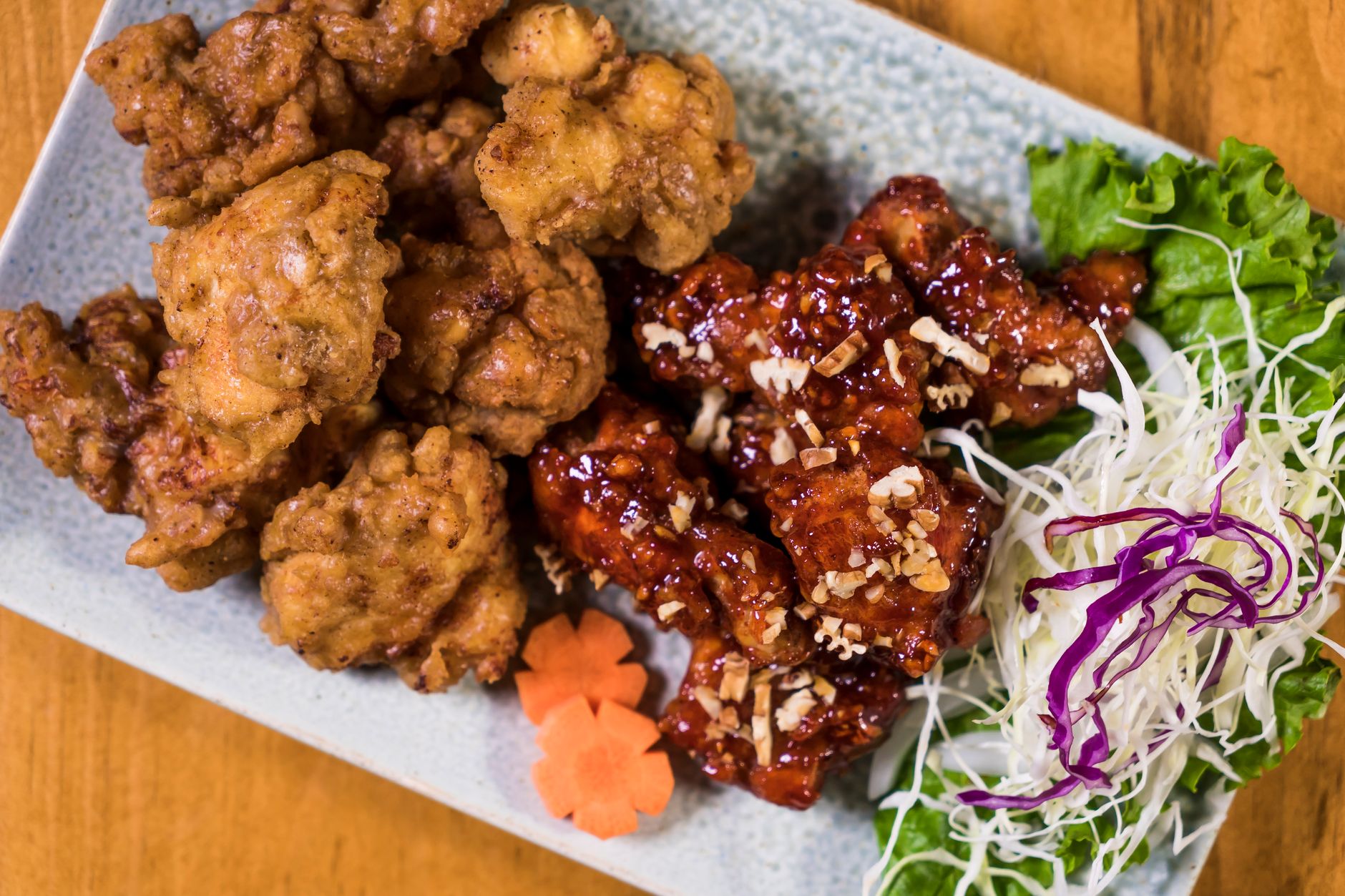
10 Sides That Actually Go With Korean Fried Chicken
Korean fried chicken is boldly seasoned, satisfyingly crispy, and unlike anything from a standard fast-food menu. The right sides make it a complete meal. This guide covers 10 sides that genuinely complement every style of Korean fried chicken, whether you're ordering soy-glazed, spicy, or original.
15 min read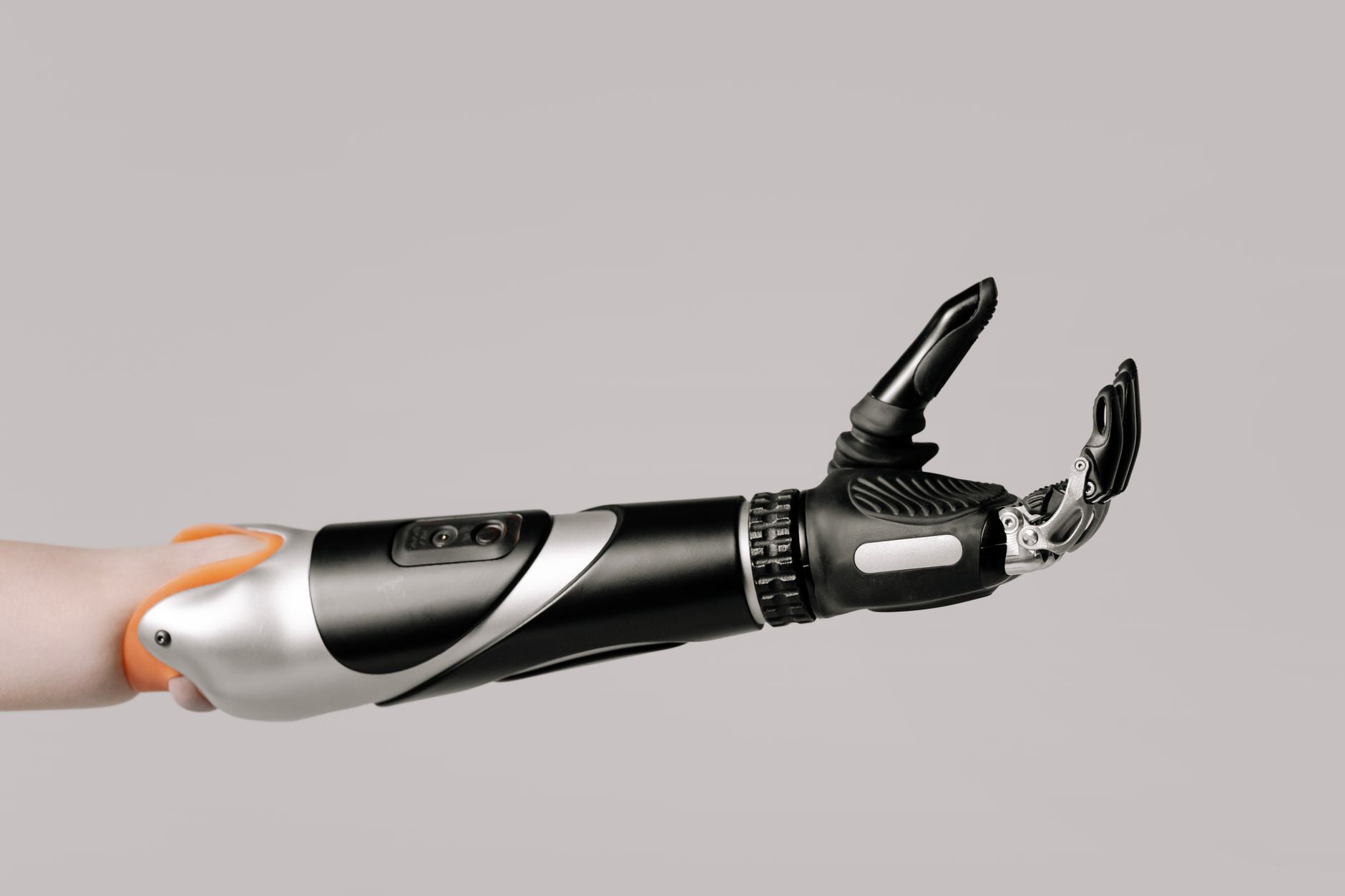
Is a Robot Kitchen Worth It? One Year of Operating Data from a Korean Fried Chicken Restaurant
Robot kitchens promise lower labor costs and faster throughput, but do the numbers hold up after 12 months of real-world operation? This post examines published industry benchmarks alongside operator observations from 101 Chicken's Fort Lee, NJ location, where a robot-assisted kitchen has been running through dine-in, pickup, and late-night weekend service. Prospective franchisees and restaurant investors will find a data-grounded ROI framework here.
12 min read
7 Best Places to Eat After a Late Movie in Fort Lee, NJ
Finding good food after a late movie in Fort Lee is easier than you think. From Korean fried chicken at 101 Chicken to late-night ramen and deli spots, this guide covers the most reliable options in and around Fort Lee, NJ, so you never leave the theater hungry.
12 min read