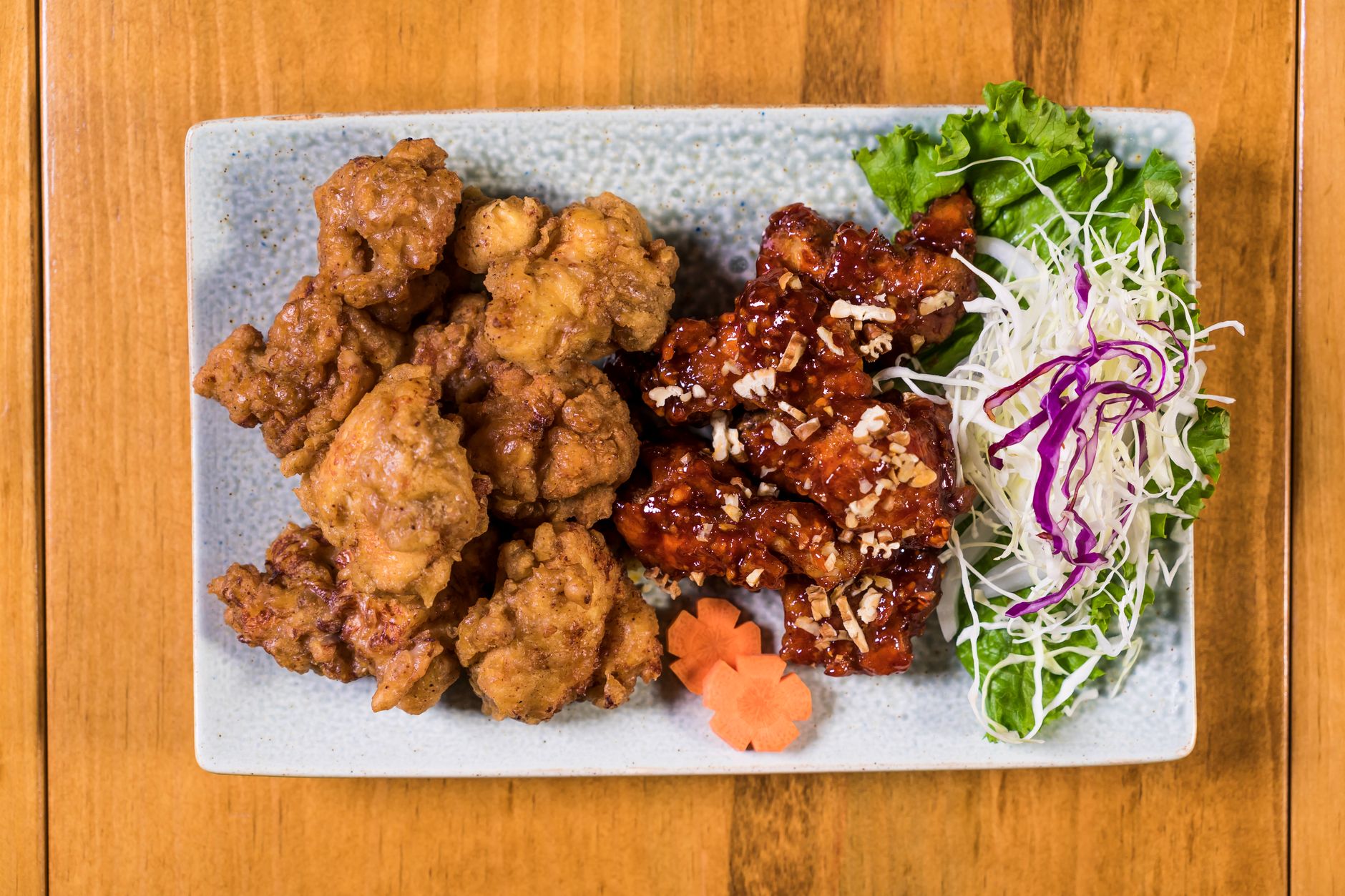
To reheat Korean fried chicken and keep it crispy, use an air fryer at 375°F for 4 to 6 minutes. Alternatively, use a preheated oven at 400°F for 10 to 12 minutes on a wire rack. Avoid the microwave. Let the chicken rest at room temperature for 15 minutes before reheating. This allows heat to penetrate evenly. It prevents drying.
Why Does Korean Fried Chicken Go Soggy After Reheating?
Sogginess is not random. At 101 Chicken, we have observed this moisture migration process consistently across thousands of orders. We engineered our robot-assisted kitchen to maintain precise frying temperatures. This creates the densest possible crust from the start. It follows a predictable sequence rooted in food science, and understanding it is the first step to preventing it. When fried chicken cools after cooking, water vapor trapped inside the meat slowly migrates outward. It moves toward the crust. If the crust cannot release that moisture quickly, it absorbs it. The result is a crust that was once rigid and glass-like turning soft and leathery by the next morning. Glazed pieces face a compounding problem: the sugar and water content in soy-garlic or spicy sauces continue to pull moisture into the exterior coating even during refrigeration. The original frying process pushes oil temperatures between 160°C and 190°C to vaporize surface water rapidly (alfafoil.com), but that effect is a one-time event. Once the chicken is out of the oil, moisture migration begins immediately. Choosing the right storage and reheating approach is how you counteract that process.
What Makes Korean Fried Chicken's Crust Different?
Not all fried chicken crusts are equal, and Korean fried chicken's crust is distinctly more vulnerable to moisture than American-style versions. The reason is the batter. Most Korean fried chicken uses rice flour or potato starch instead of all-purpose wheat flour. That choice matters enormously. Research published in a peer-reviewed food science journal found that chicken coated with starch-based batter had a moisture content of just 30.49% and an oil content of 13.09% (link.springer.com), which means the crust is comparatively dry and lean. That dryness is exactly what makes the crust shatteringly crispy when fresh. But a drier crust is also more porous and more susceptible to ambient steam reintroducing moisture after cooking. The double-fry method drives out residual water twice. This creates an ultra-thin shell. The shell has little buffer against steam from the meat during storage. A wheat-flour crust is denser and holds up longer. The Korean fried chicken crust is more delicate, which is why technique at the reheating stage matters so much more. The full list of write-ups is on our press page.
The Best Methods for Reheating Korean Fried Chicken
Three methods reliably restore crunch: the air fryer, the oven with a wire rack, and a cast-iron or stainless skillet. Each works through a different mechanism, and the right choice depends on how much chicken you have and whether it is glazed or plain. One method you should avoid entirely is the microwave. Microwaves heat by exciting water molecules in the food, which means they actively generate steam inside the crust from the inside out. That is the opposite of what you want. A 2022 Consumer Reports survey found that 90% of Americans reheat restaurant leftovers at least some of the time (consumerreports.org), and the appliance you choose determines whether the result is worth eating. Whatever method you choose, always let the chicken rest at room temperature for about 15 minutes first. Cold chicken going into a hot environment heats unevenly. The outside scorches while the center stays cold. Condensation from that temperature shock adds unwanted moisture to the crust's surface.
Air Fryer Method: Fastest Route to Crispy Chicken
The air fryer is our top recommendation for reheating Korean fried chicken, and the reason is simple physics. At 101 Chicken, we find the air fryer method works best. It restores texture more reliably than other home methods. An air fryer circulates very hot, dry air at high velocity around the food, which simultaneously heats the interior and strips moisture from the exterior surface. That is almost exactly what happens in a commercial deep fryer, minus the oil. Preheat the air fryer to 375°F for at least 3 minutes before adding any chicken. Place pieces in a single layer with at least half an inch of space between them. Overlapping pieces trap steam between their surfaces, which defeats the entire purpose. Heat for 4 to 6 minutes, flipping once at the halfway mark. Check that the internal temperature reaches 165°F before eating, which is the USDA-recommended safe temperature for reheated poultry (ucanr.edu). If the crust looks dry or dull before it goes in, a very light mist of neutral cooking spray adds just enough surface fat to help the crust re-crisp. This method works best for unsauced or lightly seasoned pieces. For heavily glazed Korean fried chicken, read the skillet section below. The air fryer's popularity has surged in recent years for good reason: 65% of UK households now own one (strategicmarketresearch.com), and the technology has proven itself for exactly this kind of reheating task.
Oven Method: Best for Larger Portions
When you have more than four or five pieces to reheat, the air fryer basket gets crowded fast. Crowding is the enemy of crispiness. The oven is the better tool for larger batches, but only if you use it correctly. Preheat the oven to 400°F and set a wire rack on top of a rimmed baking sheet. This is the most important step. Placing chicken directly on the baking sheet means the bottom surface sits in its own escaping moisture with no airflow underneath, and it turns soft even as the top gets crispy. Elevating the chicken on a wire rack allows hot air to circulate completely around each piece. Reheat for 10 to 12 minutes total. Wings and smaller pieces typically reach temperature at the 8-minute mark, so check those early. Do not cover the pan with foil. Foil traps steam and converts your oven into a steamer, which is the worst possible environment for a starch-based crust. Leave the pan uncovered and let the dry oven heat do its work. For glazed pieces, a 30-second broil at the very end re-caramelizes the sauce and adds a slight char that closely mimics the fresh-out-of-the-fryer texture.
Skillet Method: Best for Sauced Korean Fried Chicken
Sauced Korean fried chicken, whether soy-garlic or spicy, benefits from a different approach because the glaze itself changes the reheating equation. At high dry-air temperatures, sauce with significant sugar content can burn before the chicken interior reaches a safe temperature. We recommend the skillet method for glazed pieces because it gives you direct control over heat intensity. Heat a dry cast-iron or stainless pan over medium heat until a drop of water placed in the pan evaporates within two seconds. Add a thin film of neutral oil, then place the chicken pieces skin-side down. Cook uncovered for 2 to 3 minutes per side, watching the glaze carefully. The direct contact with the hot pan surface caramelizes the exterior of the glaze, creating a slightly tacky, re-crisped shell that approximates fresh texture. Do not use a nonstick pan for this, because nonstick coatings cannot tolerate the sustained medium-high heat you need. The key trade-off with the skillet method is that it requires attention. Walk away and the glaze burns. Stay at the stove and you get excellent results.
How to Store Korean Fried Chicken Before Reheating
How you store leftover Korean fried chicken determines how well any reheating method can restore it. Storage is where most people make their biggest mistake. The impulse is to put chicken back in its original bag or snap a lid on a container. Both options trap steam inside a sealed environment. That steam condenses on the crust and the damage starts immediately. USDA food safety guidelines specify that cooked food should be refrigerated within 2 hours of cooking and used within 4 days (ucanr.edu). For best crust restoration, we recommend consuming within 2 days, because glaze moisture and ambient humidity in the refrigerator continue to degrade the crust structure between days two and four even under ideal storage conditions. The right approach is to place pieces on a sheet pan or wire rack, uncovered, in the refrigerator for the first hour. This allows surface moisture to escape. After the exterior has dried slightly, transfer to an airtight container lined with a paper towel. The paper towel absorbs any additional condensation that forms during longer refrigeration. If you have both sauced and unsauced pieces, store them separately. Sauce from glazed pieces migrates to plain pieces during storage, softening crusts that would otherwise hold up well.
Should You Freeze Korean Fried Chicken?
Freezing is a legitimate option, but you should go in with realistic expectations. The double-fried starch-based crust does not survive freezing as well as it survives a night in the refrigerator. Ice crystals form inside the crust structure and mechanically break the bonds that give it rigidity. When thawed, those micro-fractures collapse, resulting in a noticeably softer texture even after proper reheating. Flash-freezing minimizes this damage. Place pieces on a wire rack in a single layer and freeze uncovered for 1 hour before sealing in a freezer bag. This prevents pieces from fusing together and reduces the time each piece spends at the ice-crystal-forming temperature range. Reheat directly from frozen in an air fryer at 375°F for 9 to 12 minutes without thawing first. Thawing before reheating introduces additional condensation that makes results worse, not better. Realistically, frozen-and-reheated Korean fried chicken will be noticeably less crispy than refrigerated-and-reheated chicken. It is still worth eating, but manage expectations accordingly.
Tips That Make Every Reheating Method Work Better
Beyond the method-specific steps, a few universal practices apply regardless of whether you are using the air fryer, oven, or skillet. Every one of these tips addresses a specific failure mode we have seen when chicken comes back from the refrigerator. Consistency here separates a satisfying leftover meal from a disappointing one. First, pat the surface of each piece with a paper towel before reheating. Condensation from refrigeration clings to the exterior, and any surface moisture that goes into the air fryer or oven takes energy and time to evaporate before the crust can begin to re-crisp. Second, never stack pieces during reheating. Direct contact between two surfaces traps steam between them and softens both. Third, for glazed pieces being reheated in the oven, lower the initial temperature to around 330 to 350°F for the first 8 minutes, then finish with a 30-second broil. This slower initial approach warms the glaze without burning its sugar content before the chicken interior catches up. Fourth, a very light dusting of potato starch or cornstarch over the exterior of a piece with a thinned crust, applied before air frying, can partially rebuild the outer shell. Apply sparingly. Too much turns the surface chalky rather than crispy.
Why Freshly Made Korean Fried Chicken Reheats Better
Here is something the generic reheating guides miss entirely. The quality of the leftover depends on the quality of the original. A chicken piece that was improperly fried, inconsistently timed, or cooked at fluctuating oil temperatures starts with structural weaknesses in the crust before it ever enters your refrigerator. Those weak spots collapse during reheating because they never had the density to hold up. Chicken that was properly double-fried at a consistent, high temperature has a denser, more uniform crust with less residual internal moisture from the start. That structure survives the refrigeration-and-reheat cycle far better. At 101 Chicken on Lemoine Ave in Fort Lee, NJ, our robot-assisted kitchen maintains frying temperatures and timing with a precision that human frying cannot replicate batch after batch. That consistency is not a marketing claim. The NRA's State of the Restaurant Industry 2025 report found that 69% of operators who added new technology reported meaningful improvements in efficiency and productivity (insights.ehl.edu), and consistent cooking temperature is exactly the kind of variable that automation controls best. For Fort Lee-area diners, that means every order from us starts with a uniformly structured crust that gives you the best possible foundation for next-day reheating. For example, imagine a commuter in Fort Lee grabbing 101 Chicken on a Friday night for delivery to their apartment, planning to reheat leftovers on Sunday afternoon. Because our robot-assisted kitchen maintains precise frying temperatures, those pieces will have a denser crust structure than chicken from inconsistent hand-fried methods, meaning the reheating methods in this guide will work noticeably better and deliver crispier results when you use that air fryer on Sunday. NJ.com covered our robot kitchen when we opened, noting the inventive approach we bring to a dish that deserves precision.
How 101 Chicken's Menu Affects Your Reheating Strategy
At 101 Chicken, we offer original (unsauced), soy-garlic, and spicy preparations, and each reheats best with a slightly different approach. We see this play out with our own guests regularly. Original and lightly seasoned pieces are the most forgiving. They respond beautifully to either the air fryer at 375°F or the oven at 400°F on a wire rack, because there is no glaze to manage. Soy-garlic and spicy pieces benefit most from the skillet method or the lower-temperature oven start followed by a final broil. The glaze on those pieces needs controlled heat, not aggressive dry heat at the start. If you are ordering from 101 Chicken for pickup or delivery in the Fort Lee and Washington Bridge Plaza area and you know you will have leftovers, ordering original pieces for your leftover portion is a practical strategy. They hold up slightly better in the refrigerator and reheat more easily. That said, confirm specific sauce types, heat levels, and any ingredient details directly with us before ordering, especially if you have dietary preferences or sensitivities. We are happy to help you plan the order. Use our online ordering to place ahead, and your chicken arrives at peak freshness, giving you the best starting point for any next-day reheating. NJ.com covered the robot fry station when we opened in Fort Lee.
Frequently Asked Questions
Can I reheat Korean fried chicken in the microwave without it getting soggy?
How long does Korean fried chicken stay crispy after reheating?
What temperature should Korean fried chicken reach when reheating?
Is it safe to reheat Korean fried chicken that was left out overnight?
Can I reheat Korean fried chicken straight from the refrigerator without letting it rest first?
Does reheating glazed Korean fried chicken work the same way as plain fried chicken?
How many times can you safely reheat Korean fried chicken?
Should I use an oven or air fryer to reheat it?
How do I reheat sauced Korean fried chicken?
How can I keep the breading crispy after reheating?
What temperature and time work best for wings?
Sources & References
- Restaurant Technology in 2026: What's Changed[edu]
- Air Fryer Market 2026: Human-Curated Insights and Verified Data[industry]
- How to Reheat and Love Your Leftovers - Consumer Reports[org]
- Food Safety Facts Basics for Handling Food Safely[gov]
- Effect of Different Starches in Batter Formulation on Oil Content and Moisture[edu]
- 9 Powerful Reasons Why Fried Food Loses Crispiness Over Time[industry]
- nj.com[industry]
About the Author
101 chicken
101 Chicken is Fort Lee's premier destination for fresh, expertly prepared chicken dishes, offering convenient dine-in and online ordering seven days a week with extended late-night weekend service.
Learn more at www.101chicken.com →Related Posts

Parking Near Lemoine Ave: What to Know Before You Go
Parking on Lemoine Ave in Fort Lee is more manageable than it looks once you know where to look. This guide covers street parking rules, nearby municipal lots, garage options, and why ordering ahead at places like 101 Chicken can make the whole trip smoother.
Is Korean Fried Chicken Spicy? Sauce Heat Levels Explained
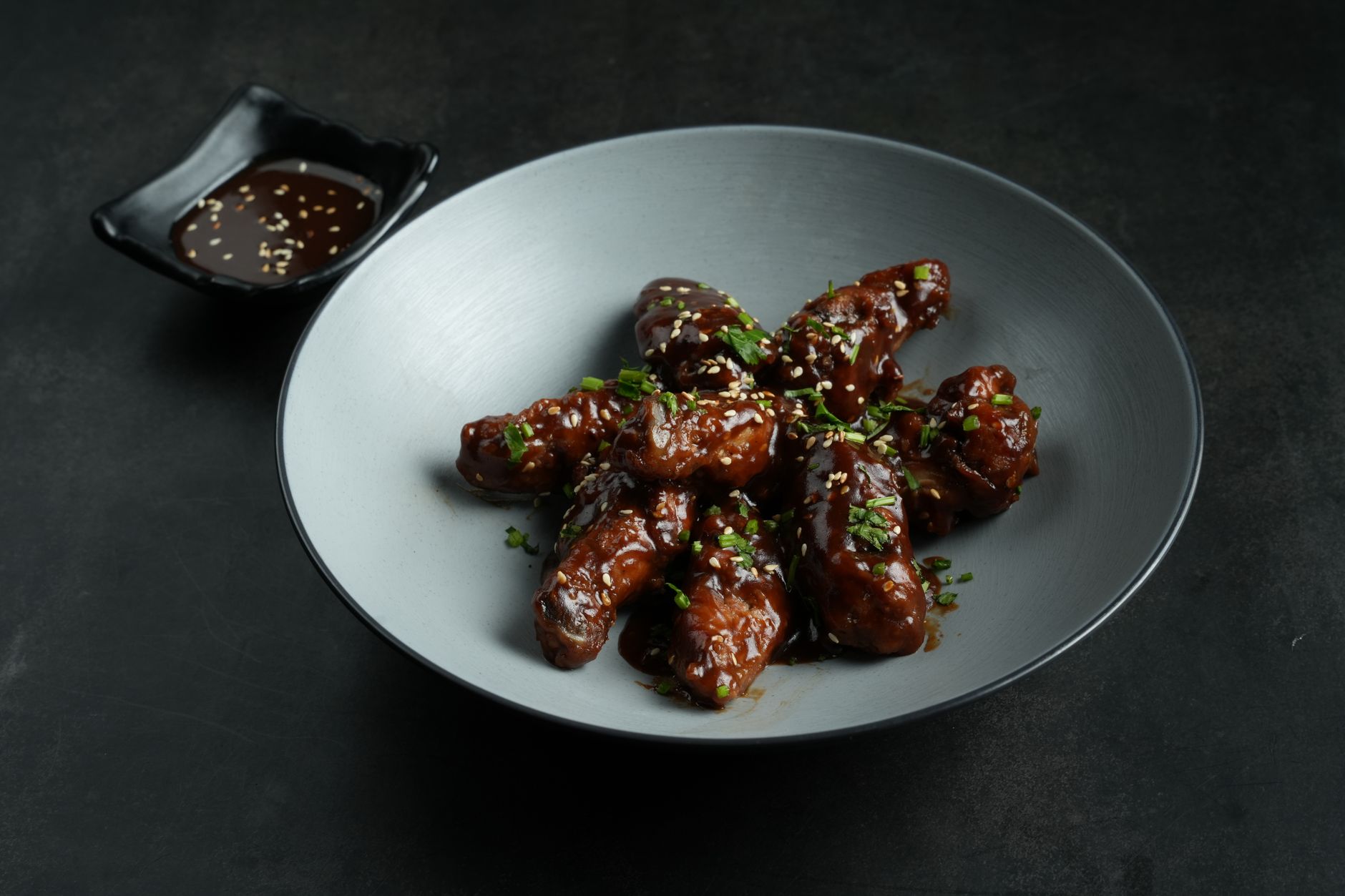
Korean fried chicken is not automatically spicy — it comes in a range of sauces from mild soy-glazed to genuinely fiery gochujang-based options. This guide breaks down the main sauce categories, explains what drives the heat, and helps first-timers order with confidence.
Where to Eat Late in Fort Lee: 8 Kitchens Still Open Past 10 PM
Most Fort Lee restaurants close their kitchens by 9:30 PM, leaving late-night diners with slim pickings. This guide cuts through the guesswork with eight verified spots across Korean, Japanese, Latin, diner, and quick-service categories where the kitchen is genuinely still cooking past 10 PM, not just the bar.