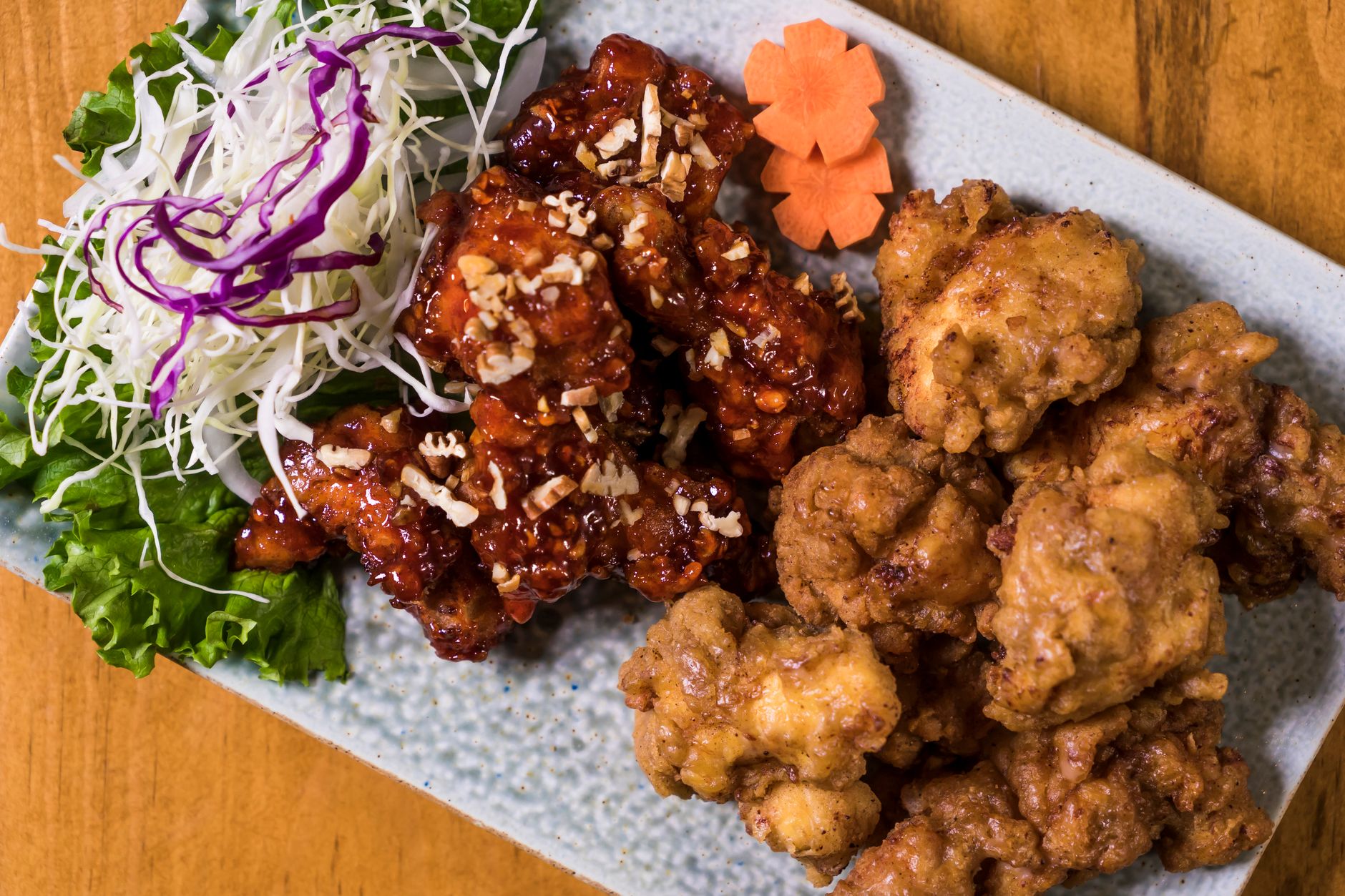
The best drinks with Korean fried chicken are Korean lager beer, soju, sparkling water, and Korean banana milk. Light, cold, and slightly carbonated options cut through the rich double-fried coating and balance bold soy or spicy glazes. For non-drinkers, citrus soda or barley tea are excellent choices. Any of these eight pairings work across flavor styles.
1. Korean Lager: The Classic Pairing for Korean Fried Chicken
If you are ordering Korean fried chicken for the first time in Fort Lee, NJ, a cold Korean lager is the safest and most culturally authentic drink to put next to it. The pairing has a name: chimaek, a combination of "chicken" (chikin) and "maekju" (beer). It is a ritual in Korean dining culture, and the logic behind it is straightforward. Light lagers like Hite, Cass, and OB carry low bitterness and high carbonation. Every sip physically scrubs the richness off your palate. This happens before your next piece. Imagine a family ordering wings for late-night pickup. They crack open cold bottles at home. The wings are still warm. The carbonation in each sip immediately cuts through the richness of the double-fried coating, so every subsequent bite tastes as crispy and fresh as the first one. You taste the glaze again, fresh, every time. The US beer market hit US$ 261.17 billion in 2025, with lager commanding a 45.0% product-type share in 2026 (futuremarketinsights.com), which tells you exactly how dominant the category is before you even factor in the Korean-specific tradition behind it.
What Makes Korean Lager Different From Regular Beer?
Korean lagers are lighter and lower in hops. That restraint is the point. A heavily hopped IPA competes with a spicy or soy-glazed Korean fried chicken glaze rather than supporting it. Hite, Cass, and OB lean toward a cleaner, more neutral finish that lets the chicken carry the flavor. In Fort Lee and Bergen County, these brands are available at Korean grocery stores near the Washington Bridge Plaza corridor, so you can grab bottles to pair at home if you are doing a pickup order from us. One practical note: pair a cold lager with a side of pickled radish (danmuji), which is typically served alongside Korean fried chicken. The radish cleanses the palate between pieces just as the beer does, and together they make a richer batch of wings far more manageable across a full meal. The two companions work together, not separately.
2. Soju: Korea's Most Popular Spirit Alongside Fried Chicken
Soju is clear and mildly sweet. The exact percentage depends on brand and style. Its defining characteristic as a food pairing is what it does not do: it does not add competing flavors. The clean, neutral profile acts as a palate cleanser between bites of richly glazed chicken, resetting your taste buds without the carbonation of beer. The North American soju market was valued at USD 566 million in 2025 and is growing at a CAGR of 14.20% (kenresearch.com). The United States accounts for 84% of North American category value, and soju volume has increased 133 percent between 2019 and 2025 (daily.sevenfifty.com). That growth is not accidental. It tracks directly with the wider adoption of Korean food culture, including Korean fried chicken, across the country.
Should You Try Soju Straight or Mixed?
Straight shots are the traditional approach and pair best with original or soy-glazed styles, where the chicken's own flavor is doing the heavy lifting. If you want a longer, more sessionable drink, "somaek" (soju mixed into beer) is a practical option that splits the difference between the two classic pairings and works across all three flavor categories. First-time drinkers often find fruit-flavored soju, in grape, peach, or yogurt varieties, a gentler entry point because the sweetness softens any perceived harshness. With spicy Korean fried chicken, a fruit-flavored soju can be genuinely useful: the mild sweetness provides brief relief from capsaicin without the volume of liquid that a full glass of soda requires.
3. Sparkling Water: The Best Non-Alcoholic Pairing for Korean Fried Chicken
Sparkling water is the most underrated non-alcoholic pairing on this list, and we say that with conviction. The US sparkling water market was valued at $7.6 billion in 2025 and is projected to grow at a CAGR of 10.16% through 2035 (marketresearchfuture.com). That growth reflects something real about how diners are thinking about beverages: carbonation without sweetness, without calories, without alcohol. For Korean fried chicken specifically, carbonation is the functional ingredient that matters. The bubbles create a mechanical scrubbing effect. They lift fat from the coating between bites. This is the same mechanism that makes beer work so well alongside fried food, and sparkling water replicates it without the alcohol or the competing flavor. Plain sparkling water is our recommendation over flavored varieties when the chicken carries a strong glaze, whether soy-based or spicy. A citrus-forward sparkling water can work, but choose one where the flavor is subtle enough not to clash with gochujang or garlic-soy notes. If you are picking up a late-night order from us on a weekend, a bottle of sparkling water from any nearby convenience store does more work than you might expect.
4. Citrus Soda: A Sweet Fizzy Drink With Spicy Korean Fried Chicken
Citrus soda is the pairing that most first-time Korean fried chicken diners reach for instinctively, and their instincts are correct. Lemon-lime sodas and other citrus-forward sparkling drinks combine two useful properties: acidity that brightens the flavor profile of each bite, and sweetness that temporarily binds to heat receptors on the tongue. When the chicken is spicy, that brief sweetness provides a reset that pure carbonation alone cannot. Korean Chilsung Cider, a domestic lemon-lime soda widely consumed alongside fried chicken in Korea, is the reference point for this pairing. It is available at Korean grocery stores in Fort Lee and the broader Bergen County area.
Does Sweetness Help When the Chicken Is Extra Spicy?
Yes, and the mechanism is worth understanding if you are new to spicy Korean fried chicken. Capsaicin, the compound responsible for heat in chili-based glazes like gochujang, binds to pain receptors on the tongue rather than taste receptors. Sugar does not neutralize capsaicin chemically, but it does provide a competing sensory signal that makes the burn feel less intense for a short window. Gochujang-based spicy glazes have been showing up on more US restaurant menus: entrees paired with gochujang increased 14.8% in 2024, and gochujang now appears on 0.8% of all US menus (restaurantbusinessonline.com). The ingredient is becoming a mainstream flavor, which makes understanding how to drink alongside it genuinely useful.
5. Barley Tea (Boricha): Why Koreans Default to This Tea
Barley tea, or boricha, occupies a specific role in Korean food culture that has no direct Western equivalent. It is not a premium tea. It is the default table beverage, served automatically in Korean households and traditional restaurants the way a bread basket arrives in an Italian-American dining room. The flavor is roasted and nutty, closer to a toasted grain than a floral or herbal tea, and it is served hot or cold depending on the season. This matters for Korean fried chicken pairings because boricha is naturally unsweetened and caffeine-free. It does not add sugar that might clash with soy glazes, and it does not carry tannins strong enough to overwhelm a delicate original-style chicken. The roasted grain character echoes the Maillard reaction flavors in the fried coating itself, which is why the pairing feels harmonious rather than neutral. Cold boricha alongside a soy-glazed order is a particularly clean combination. If you are ordering Korean fried chicken for a family dinner and some guests do not drink alcohol, boricha is a more culturally informed suggestion than generic iced tea.
6. Korean Banana Milk: A Childhood Staple That Works as a Pairing
This one surprises people. Binggrae banana milk is a mildly sweet, creamy packaged drink that has been a fixture in Korean food culture for decades. It is not marketed as a beverage pairing for fried chicken, but it functions as one because of the dairy fat content. Dairy fat coats the tongue and palate, physically wrapping around capsaicin molecules and reducing their contact with pain receptors. This is why a glass of whole milk is one of the most effective remedies for chili heat, and Korean banana milk provides a similar effect in a more compact, flavorful package. The mild sweetness also balances the savory depth of soy-based glazes without overwhelming them. At 101 Chicken, we often see first-time guests reach for banana milk at Korean grocery stores before pickup, and it is a genuinely smart choice. The nostalgia factor matters too: for Korean-American diners in Fort Lee, banana milk alongside fried chicken is a comfort combination with real cultural resonance. For someone trying Korean fried chicken for the first time, it is approachable and calming alongside the bolder flavors on the plate.
7. Makgeolli: Traditional Rice Wine Alongside Fried Chicken
It is lower in alcohol than soju and more textured than lager, which gives it a distinctive place in the pairing spectrum. The subtle earthiness and mild fizz work well with soy-glazed and original fried chicken styles. One important note that most pairing guides miss: makgeolli is less suitable alongside sweet-spicy yangnyeom chicken. The rice wine's natural sweetness collides with the already-sweet heat of yangnyeom glaze rather than balancing it, making the combination feel cloying after a few bites. Stick to makgeolli alongside original or lightly soy-glazed orders for the best result. The pairing logic here is about contrast, and yangnyeom offers too little of it.
Is Makgeolli Hard to Find in the Fort Lee Area?
Not particularly. Fort Lee's large Korean-American community means that Korean grocery stores and specialty shops are spread through Bergen County, and H Mart locations in the area carry multiple makgeolli brands reliably. If you are pairing it with a delivery or pickup order from us, call ahead to the nearest Korean market rather than a standard supermarket. Availability varies by brand, and asking staff directly usually surfaces options that are not on any shelf label. Confirm current selection when you visit, since inventory rotates.
8. Iced Green Tea: An Underrated and Universally Accessible Pairing
Iced green tea is the most accessible drink on this list and also the most frequently overlooked. It is available at virtually every convenience store, grocery outlet, and dine-in restaurant in Fort Lee and across New Jersey. The mild tannins in green tea gently cut through the fat in fried coatings, performing a version of the same palate reset that carbonation achieves through a different mechanism. Tannins bind to proteins and fats on the surface of the tongue, stripping residual richness between bites so that each piece of chicken reads with full flavor rather than accumulating heaviness. Unsweetened iced green tea is the version we recommend: sweetened versions add sugar that can amplify soy glaze notes in a way that feels overwhelming at the back half of a meal. Green tea polyphenols also have mild digestive properties that make it a comfortable choice for large group orders. For a table of four or five people working through a double-fried chicken order, unsweetened iced green tea is the quietest but most dependable pairing on this list. It gets out of the way and lets the chicken speak.
A Note on Wine With Korean Fried Chicken
Wine rarely appears in Korean fried chicken pairing guides, but the logic is worth addressing because it comes up for guests entertaining at home. High-acid white wine, specifically unoaked styles like a Muscadet, Albariño, or Grüner Veltliner, works well alongside spicy or soy-glazed Korean fried chicken for the same reason that lager and sparkling water do: acidity cuts fat and resets the palate. The trade-off is that wine lacks carbonation, which reduces its mechanical palate-cleaning effect. Lean toward the coldest, most acidic white you can find, and avoid any oaked or full-bodied white that adds competing butter and vanilla notes. Red wine is a difficult pairing in most cases because tannins amplify the perception of heat in spicy glazes, making a fiery wing genuinely uncomfortable. If the chicken is original or soy-glazed, a cold low-tannin red like a Beaujolais can work, but it is the exception rather than the starting point.
Where to Try Korean Fried Chicken in Fort Lee, NJ
At 101 Chicken on Lemoine Ave in Fort Lee, NJ, we built the kitchen specifically around consistency. Our robot-assisted kitchen controls fry time and temperature with a precision that a manual operation cannot replicate across every batch, and that matters for drink pairing in a specific way: when the crunch and glaze coverage are consistent across every order, your chosen pairing performs the same way every time. A lager that worked perfectly with your soy-glazed order last Saturday will work the same way this weekend, because the chicken is the same. NJ.com covered our robot-assisted kitchen model, recognizing it as a genuinely inventive approach to high-volume Korean fried chicken. We offer original, soy-glazed, and spicy flavor categories. Confirm current menu options and heat levels directly with us before ordering, since we update our offerings periodically. Dine-in, pickup, and delivery are all available, with late-night hours on weekends for post-event cravings. Fort Lee diners near the Washington Bridge Plaza area can reach us quickly for pickup, and online ordering is available for those who want to plan their pairing drinks before leaving home. Korean food exports and the US appetite for gochujang-forward flavors have both been growing: K-Food Plus exports reached a record USD 13.03 billion in 2024 (gourmetpro.co), and that momentum is showing up in neighborhoods like Fort Lee where Korean-American dining culture has always been strong. ABC7 New York reported on the robot chefs working our fry station.
Why Batch-to-Batch Consistency Matters for Drink Pairing
This is not an abstract point. When you commit to a pairing, whether that is a cold Korean lager, sparkling water, or banana milk, you are making an assumption about the chicken's texture and glaze coverage. If fry time varies between batches, your pairing can feel right on one visit and off on the next. Our robot-assisted kitchen removes that variable. Fry temperature and timing are controlled precisely, which means the crust thickness and glaze adhesion are predictable. For a group order where each person is choosing a different flavor style, that consistency means every pairing at the table works as intended, not just the one the most experienced Korean food diner ordered. The full list of write-ups is on our press page.
| Drink | Best With | Flavor Benefit | Alcohol |
|---|---|---|---|
| Korean Lager | All styles | Carbonation cuts richness | Yes |
| Soju | Original, soy-glazed | Neutral palate cleanser | Yes |
| Sparkling Water | All styles | Carbonation without sugar | No |
| Citrus Soda | Spicy | Sweetness tempers heat | No |
| Barley Tea (Boricha) | Original, soy-glazed | Roasted notes complement coating | No |
| Korean Banana Milk | Spicy | Dairy fat coats palate | No |
| Makgeolli | Original, soy-glazed | Earthy fizz, avoid with yangnyeom | Yes |
| Iced Green Tea | All styles | Tannins cut fat, digestive comfort | No |
Frequently Asked Questions
What is the best non-alcoholic drink to order with Korean fried chicken?
Does milk actually help if Korean fried chicken is too spicy?
What is 'chimaek' and why is beer the traditional Korean fried chicken pairing?
Can I order Korean fried chicken from 101 Chicken late at night on weekends?
How do I know which flavor style (soy, spicy, or original) to order if it is my first time?
Sources & References
- Explore the Demand for Beer in USA — Future Market Insights (opens in a new tab)[industry]
- Soju and Shōchū Are Paving the Way for Asian Spirits in the U.S. Market | SevenFifty Daily (opens in a new tab)[industry]
- Korean food keeps evolving as it picks up momentum in U.S. restaurants (opens in a new tab)[industry]
- US Sparkling Water Market Size, Share and Forecast 2035 (opens in a new tab)[industry]
- Korean Cuisine Outlook 2026: 6 Insights for Global F&B Brands (opens in a new tab)[industry]
- North America Soju Market Share, Companies & Trends Report 2025-2031 (opens in a new tab)[industry]
- abc7ny.com (opens in a new tab)[industry]
About the Author
101 chicken
101 Chicken is Fort Lee's premier destination for fresh, expertly prepared chicken dishes, offering convenient dine-in and online ordering seven days a week with extended late-night weekend service.
Learn more at www.101chicken.com → (opens in a new tab)Related Posts
How Kitchen Automation Changes Restaurant Labor Costs: What Investors Need to Know
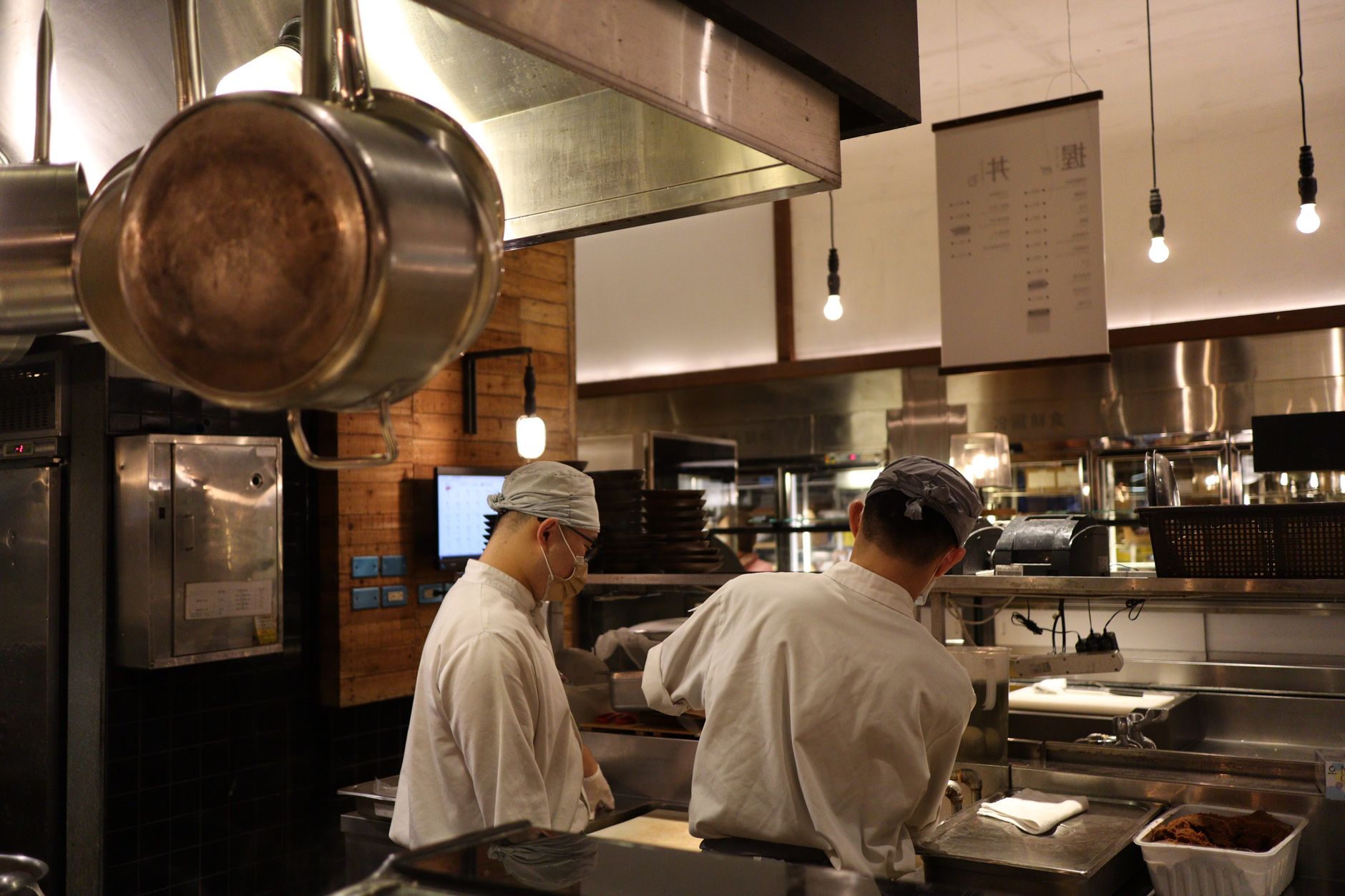
Restaurant labor typically consumes 30-35% of gross revenue, making it the largest controllable cost in foodservice operations. Kitchen automation is reshaping that equation. This guide examines the data, the tradeoffs, and one real-world example from a Fort Lee, NJ operation.
11 min read
Ordering Office Lunch in Bergen County: A Practical Guide
Feeding a team of 10 or more in Bergen County takes more planning than a solo lunch run. This practical guide walks you through lead time, per-person quantities, packaging considerations, and how to handle a mixed crowd's spice preferences — so your office order arrives right the first time.
11 min read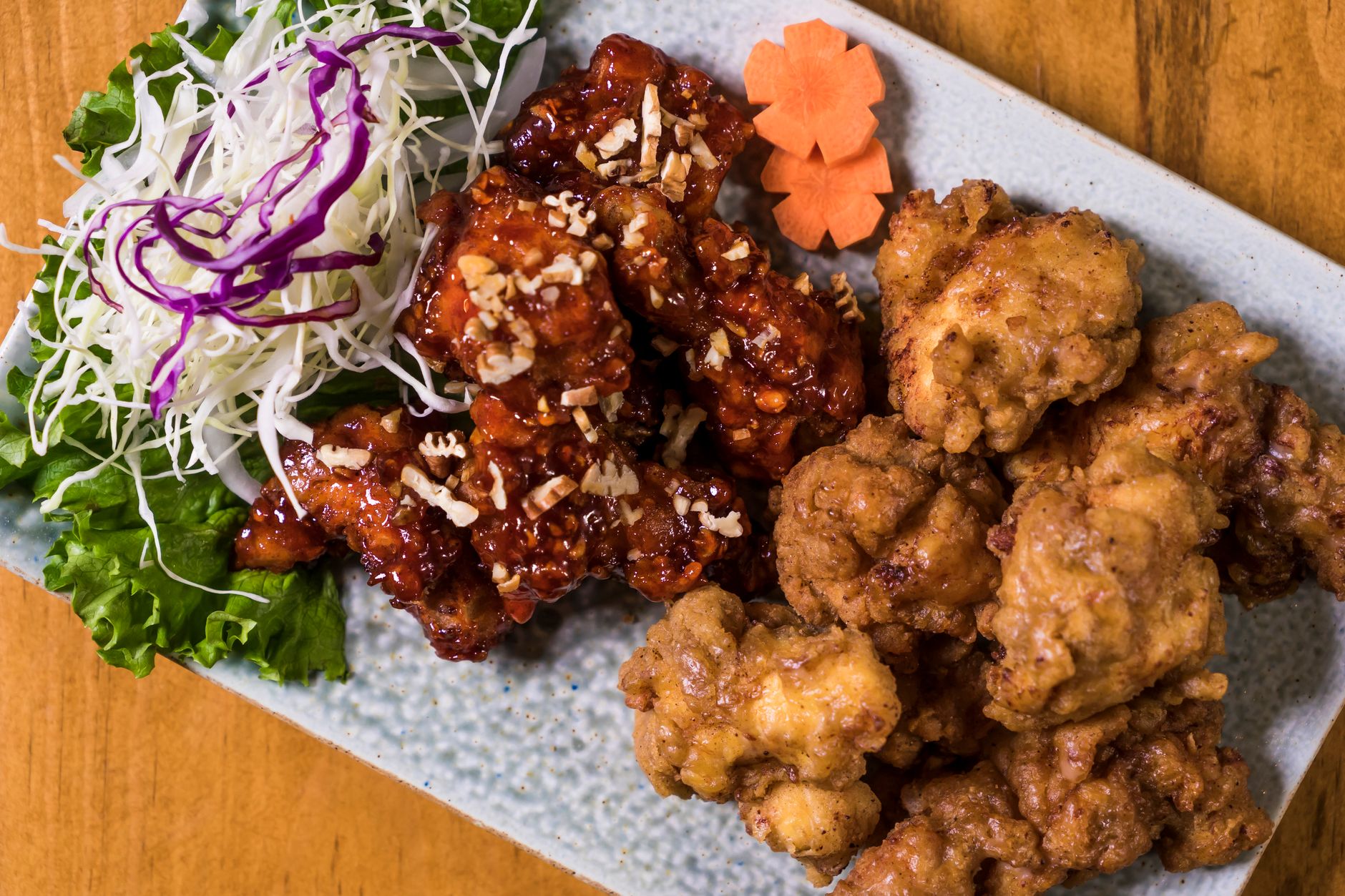
Soy, Spicy, or Original: Which Korean Fried Chicken Sauce Should You Order?
Never ordered Korean fried chicken before? The sauce decision feels bigger than it is. This guide breaks down the three core sauce styles — soy garlic, spicy, and original — so you can order with confidence the first time.
13 min read