Is Korean Fried Chicken Gluten Free? Allergens, Ingredients, and What to Ask Before You Order
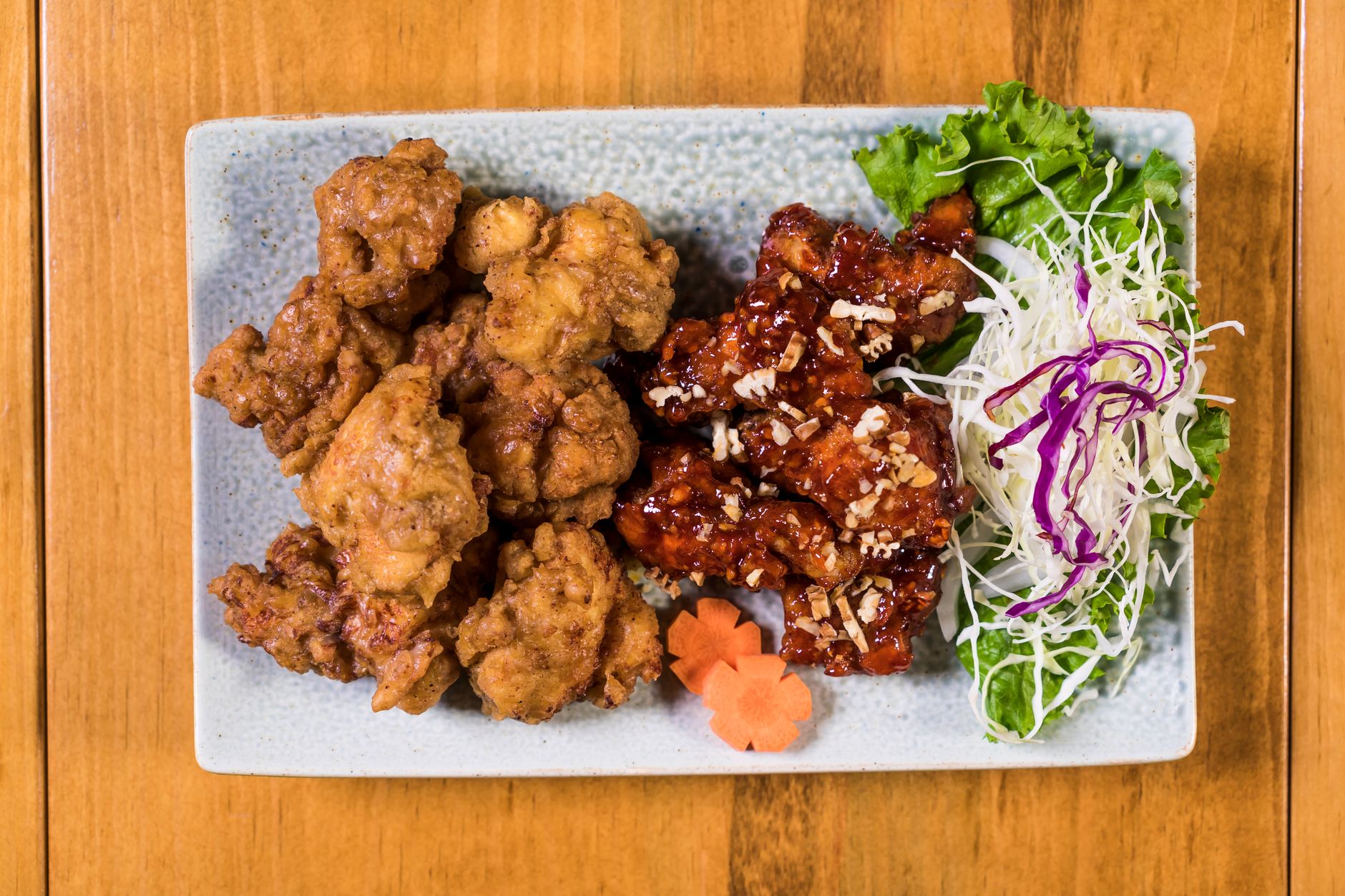
Traditional Korean fried chicken is not gluten free. The batter typically contains wheat starch, and most sauces rely on soy sauce, which also contains wheat. Sesame is common too. If you have celiac disease or a serious allergy, confirm every detail directly with the restaurant before ordering. For most diners, it is a wonderfully flavorful choice.
Traditional Korean fried chicken is not gluten free. The batter typically contains wheat starch, and most sauces rely on soy sauce, which also contains wheat. Sesame is common as a garnish and allergen. If you have celiac disease or a serious food allergy, confirm every ingredient detail directly with the restaurant before ordering. For example, imagine a family in Fort Lee planning a weekend takeout order from 101 Chicken on Lemoine Ave, with one child who has celiac disease. Before placing an online order, they call during a quiet afternoon to ask specifically about the batter composition, whether tamari is used instead of wheat-based soy sauce, and how often the fryer oil is replaced, then schedules their pickup to avoid the Saturday night rush so the kitchen staff has time to prepare their order with full attention to cross-contact protocols. For most diners, it is a wonderfully flavorful choice.
What Ingredients Make Korean Fried Chicken Different From American Fried Chicken?
Korean fried chicken earns its legendary crunch through a batter built around starch rather than thick flour coatings. Most recipes combine wheat flour with potato starch or corn starch, then pass each piece through a double-frying process that drives moisture out of the crust. Research found that chicken coated with starch-based batter had a moisture content of just 30.49% and an oil content of 13.09%, both lower than comparable flour-breaded products (101chicken.com), which explains why the crust stays audibly crisp even after saucing. The global fried chicken market, sitting at $100.11 billion in 2025 and projected to reach $107.19 billion in 2026 (101chicken.com), reflects just how much appetite exists for both styles. At 101 Chicken on Lemoine Ave in Fort Lee, NJ, we use a robot-assisted kitchen that applies the same frying parameters to every batch, which means the ingredient profile you ask about today reflects what you will actually receive. In our experience, this consistency helps us provide accurate allergen information to guests because every order goes through the same preparation sequence. Understanding what goes into the batter and the sauce is the essential first step for any diner evaluating allergen risk.
Why the Batter Matters for Gluten Sensitivity
Wheat starch is the most common gluten source in Korean fried chicken batter, and it is woven into the crust itself, not just a sauce on top. That distinction matters. If you are sensitive to gluten, removing or skipping a sauce does not resolve the underlying batter issue. Even Korean fried chicken recipes that substitute rice flour or potato starch as the primary coating often blend in some wheat flour for binding, and pre-mixed commercial batter products frequently contain wheat as a listed ingredient. The batter adheres closely to every surface of the chicken, meaning the gluten load is distributed uniformly across the outer crust with every bite. Restaurants that operate at high volume rarely prepare separate gluten-free batches unless they have a dedicated allergen protocol in place. At 101 Chicken, we maintain a robot-assisted kitchen that applies consistent preparation protocols to every batch, which allows us to provide detailed ingredient information to guests with allergen concerns. If you are evaluating Korean fried chicken for gluten sensitivity, the batter question is the first one to ask, and it needs a direct answer from the kitchen, not a general menu description. At 101 Chicken, we maintain detailed records of our batter composition and sauce ingredients specifically so we can give you that direct answer when you call.
How Sauces Introduce Soy and Additional Allergens
Soy sauce is foundational to Korean fried chicken sauces, and traditional brewed soy sauce contains wheat. This is one of the most common sources of confusion for diners who assume soy sauce is simply a soy product. Tamari, a Japanese-style soy sauce produced with little or no wheat, is a gluten-free alternative, but most Korean kitchens use standard soy sauce unless they have made a deliberate substitution. The distinction is critical for celiac consumers: ask specifically whether the kitchen uses tamari or a certified gluten-free soy alternative. Beyond soy, garlic and ginger are nearly universal in Korean fried chicken sauces and are unlikely allergen concerns on their own, but sesame oil and sesame seeds appear in most sauce preparations. Sesame became the ninth major allergen recognized by the FDA under FASTER Act regulations effective January 1, 2023 (fda.gov), so it now carries the same mandatory labeling weight as peanuts and tree nuts. Gochujang, the fermented chili paste used in spicy varieties, frequently includes wheat as a binding agent in commercial preparations. Confirm the brand and recipe with your restaurant before ordering. The full list of write-ups is on our press page.
Which Allergens Are Typically Present in Korean Fried Chicken?
The FDA recognizes nine major allergens, and Korean fried chicken routinely involves at least three of them: wheat, soy, and sesame. Wheat appears in the batter and in most sauces. Soy arrives through soy sauce and, depending on the restaurant, through soy-based frying oils. Sesame is present in oils, sauces, and garnishes. Milk and eggs may appear in certain marinade or batter formulations but are not universal across all Korean fried chicken preparations, so they require individual confirmation. Peanut oil is occasionally used for frying in some Asian restaurants, though neutral oils such as vegetable or canola are more common at most Korean fried chicken spots. The peanut oil market is large, valued at US$ 11.7 billion in 2026 (persistencemarketresearch.com), which reflects how widely it is sourced and used across the restaurant industry. If a peanut allergy is a concern, ask about frying oil specifically, not just about visible peanut ingredients in the dish. Knowing these nine allergen categories before you call the restaurant means your questions will be specific and the answers will be more useful.
What Is Cross-Contact and Why Does It Matter?
Cross-contact is the transfer of an allergen from one food to another through shared surfaces, oil, or utensils, and it is the reason a technically gluten-free chicken piece can still trigger a reaction. A fryer used for wheat-battered items accumulates gluten proteins in the oil over time. Research found that 25% of fry orders from shared fryers would not be considered gluten-free (pmc.ncbi.nlm.nih.gov). A 2026 study published by the Celiac Disease Foundation tested 98 samples of naturally gluten-free foods from shared fryers, and while 93.9% contained less than 20 parts per million of gluten, 6.1% exceeded that threshold, and 11% of French fry samples specifically crossed 20 ppm (celiac.org). That same study found that none of the 39 samples from establishments reporting daily oil replacement exceeded 20 ppm, compared with a meaningful share from restaurants replacing oil weekly (celiac.org). Oil replacement frequency is a real, measurable variable in your personal risk calculation. Ask about it directly.
What Sauce and Flavor Categories Should You Know Before Ordering?
Korean fried chicken menus generally organize flavors into three broad categories: original (plain or lightly seasoned), soy-garlic (umami-forward, sweet-savory), and spicy (gochujang or chili-based). Understanding these categories helps you ask the right questions before you order. Original does not mean allergen-free. It means the chicken is either unsauced or carries a minimal dry seasoning, but the batter and the fryer environment remain the same. Soy-garlic is the most widely recognized signature flavor of Korean fried chicken and nearly always contains wheat-based soy sauce as a primary ingredient. Spicy preparations vary considerably from restaurant to restaurant, ranging from a mild warming heat to a more aggressive chili burn, and they typically add gochujang to the allergen picture. Gochujang is now exported to 137 countries (tridge.com), which means commercial formulations differ widely by brand and region. What one restaurant uses as its spicy sauce base may differ entirely from another's.
How 101 Chicken Handles Consistency in Its Fort Lee Kitchen
At 101 Chicken in Fort Lee, NJ, we run a robot-assisted kitchen that standardizes the preparation of every order. That matters for allergen-conscious diners not because automation eliminates allergens, but because it eliminates the batch-to-batch variability that makes ingredient questions harder to answer in a conventional kitchen. When a robot applies a sauce, it applies the same sauce in the same amount every time. ABC7 New York covered our robot kitchen in 2024, and NJ.com described it as an inventive new model for how fried chicken can be prepared. We mention this not as a novelty, but because consistency is genuinely useful information for anyone trying to understand what is in their food. Our menu at 101 Chicken runs across soy-garlic chicken, spicy chicken, and original chicken categories, following the same framework described above. Guests in Fort Lee and the Washington Bridge Plaza area with allergen concerns should contact us directly before their first order so we can speak specifically about current ingredients and our fryer management. We prefer those conversations when it is not rush hour, so we have time to answer carefully. ABC7 New York reported on the robot chefs working our fry station.
How Should You Order Safely If You Have a Food Allergy or Gluten Sensitivity?
Call the restaurant before you go, ideally during a non-peak hour, and come prepared with specific questions. A general inquiry of "is this gluten free?" rarely produces a useful answer. You want to know the batter composition, the soy sauce type, the fryer management protocol, and whether the sesame in the garnish also appears in the sauce. These are four separate questions. Do not rely solely on a menu description. Sauces and batters can change based on supplier availability, and a menu printed six months ago may not reflect today's preparation. If you have celiac disease, understand that most Korean fried chicken restaurants cannot guarantee a gluten-free environment because the batter, the sauce, and the fryer all introduce wheat at different points. Plain or boneless chicken is not a workaround. Boneless pieces still pass through the same batter and the same fryer oil as bone-in pieces, so removing the bone does not reduce gluten exposure. The plain category removes sauce, not batter.
Marinades, Seasoning Powders, and Hidden Gluten Sources
Beyond the batter and the finishing sauce, marinades and dry seasoning powders are an underappreciated gluten vector in Korean fried chicken. Many kitchens marinate raw chicken in a blend that includes soy sauce, garlic powder, and onion powder before battering. That marinade is absorbed into the meat, not just sitting on the surface, so it is present in every bite even when the outer coating looks minimal. Commercial seasoning powders, including those labeled as garlic salt or all-purpose seasoning, sometimes use wheat starch as an anti-caking agent. This appears on the ingredient label but is easy to miss if a restaurant staff member is scanning quickly for obvious allergen words. The result is that gluten can be present at three separate stages: in the marinade before frying, in the batter during frying, and in the sauce applied after frying. For a diner with celiac disease, any one of those stages is sufficient to cause a reaction. Ask specifically whether the marinade contains soy sauce and whether any dry seasonings are used before battering.
Specific Questions to Ask Your Restaurant Before Your First Visit
Writing your questions down before you call prevents the common experience of hanging up and realizing you forgot to ask about the fryer. Here is a practical framework for that conversation. Ask whether the batter contains wheat flour or wheat starch. Ask whether the soy sauce used in the sauce is traditional (wheat-containing) or tamari. Ask whether any dry seasoning powder is used on the chicken before battering, and if so, request the brand or label. Ask whether the spicy sauce contains commercial gochujang, and what brand. Ask whether sesame seeds appear in the sauce itself or only as a garnish. Ask whether the restaurant uses dedicated fryers for allergen-sensitive orders, or whether all items share the same oil. Ask how frequently fryer oil is replaced. A restaurant that can answer all seven questions specifically is one that takes allergen management seriously. Our team at 101 Chicken recommends calling during non-peak hours so we can walk through each ingredient and fryer management detail without rushing, ensuring you have the information you need to order safely. One that cannot should tell you something too. Results speak louder.
| Flavor Category | Primary Gluten Source | Sesame Present | Egg or Dairy | Notes |
|---|---|---|---|---|
| Original (plain) | Batter (wheat starch or wheat flour) | Often as garnish | Varies by recipe | Sauce removed, batter risk remains |
| Soy-Garlic | Batter and soy-garlic sauce (wheat soy sauce) | Yes, in sauce and garnish | Less common | Most signature Korean fried chicken flavor |
| Spicy (gochujang) | Batter, soy sauce in sauce, gochujang | Yes, common | Less common | Gochujang may contain wheat as binder |
| Boneless variants | Same batter as bone-in | Same as base flavor | Same as base flavor | Boneless does not reduce allergen exposure |
Frequently Asked Questions
Is Korean fried chicken safe for people with celiac disease?
Does soy-garlic Korean fried chicken sauce contain gluten?
What allergens are in gochujang spicy sauce?
Is sesame a major allergen in Korean fried chicken?
Can I request gluten-free Korean fried chicken at a restaurant?
Does the frying oil in Korean fried chicken contain allergens?
What is the difference between original, soy-garlic, and spicy Korean fried chicken in terms of allergens?
Is 101 Chicken in Fort Lee able to accommodate food allergies?
Sources & References
- FDA FASTER Act Sesame Allergen Labeling (opens in a new tab)[gov]
- Gluten-Free Foods Cooked in Shared Fryers With Wheat: A Pilot Study Assessing Gluten Cross Contact (opens in a new tab)[edu]
- How Risky Are Shared Fryers? New Study Offers Real-World Data for People with Celiac Disease | Celiac Disease Foundation (opens in a new tab)[org]
- Peanut Oil Market Size, Share & Forecast Analysis, 2033 (opens in a new tab)[industry]
- Gochujang Suppliers & Manufacturers, Export Data & Price Trends | Global Market Overview 2026 | Tridge (opens in a new tab)[industry]
- abc7ny.com (opens in a new tab)[industry]
About the Author
101 chicken
101 Chicken is Fort Lee's premier destination for fresh, expertly prepared chicken dishes, offering convenient dine-in and online ordering seven days a week with extended late-night weekend service.
Learn more at www.101chicken.com → (opens in a new tab)Related Posts
Does Fried Chicken Stay Crispy During Delivery? How 101 Chicken Packs for the Ride
Delivered fried chicken has a reputation for arriving soggy, but the right packaging and timing can change that. This guide explains exactly why crunch dies in transit and what restaurants like 101 Chicken in Fort Lee do differently to keep it alive.
11 min read
10 Best Game Day Party Food Ideas to Order in Fort Lee, NJ
Game day in Fort Lee calls for food that feeds a crowd without the hassle. From crispy Korean fried chicken in multiple heat levels to shareable sides, this guide covers the best party food to order, plus practical tips on quantity, lead time, and packaging for groups of 10 or more.
12 min read
What It Costs to Open a Korean Fried Chicken Franchise: A Complete Investment Breakdown
Opening a Korean fried chicken franchise involves startup costs that range widely depending on location, format, and operational model. This guide breaks down every major cost category, from initial franchise fees and buildout to equipment, licensing, and ongoing labor, using real industry benchmarks to help prospective investors make an informed decision.
14 min read