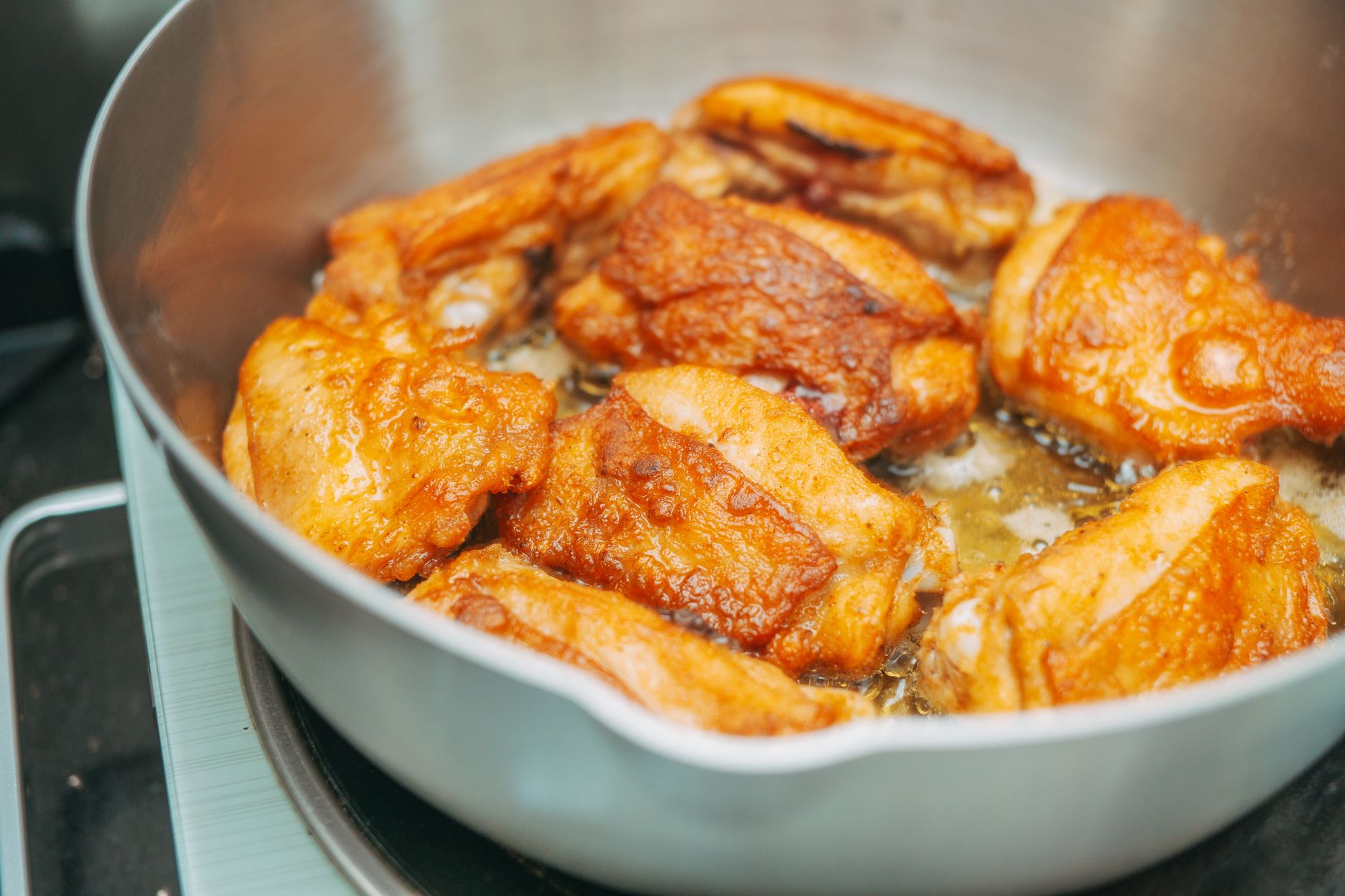
Korean fried chicken takes 15-20 minutes to cook because it is double-fried in two separate stages. The first fry cooks the meat through at a lower temperature. The second fry, at higher heat, creates the signature thin, shatteringly crisp shell. This process cannot be rushed without sacrificing texture.
How the Double-Fry Method Actually Works
The double-fry technique is not a stylistic choice. At 101 Chicken, we use this method as the foundation of every order because it is the only way to deliver the texture our customers expect. At 101 Chicken, we use this method as the foundation of every order because it is the only way to deliver the texture our customers expect. It is a structural requirement. Each stage does a different job, and skipping either one produces a fundamentally inferior result. The first fry runs roughly 5-10 minutes and focuses on cooking the meat through safely (recipe.net). The second fry runs 2-7 minutes at a higher temperature and focuses entirely on the crust (recipe.net). Total fry time across both stages lands at roughly 12-16 minutes, with a short rest between them. The coating is typically rice flour or potato starch, much thinner than American Southern-style batter, which means it crisps quickly but cannot tolerate temperature errors. This is precision cooking, not slow cooking. The result earns the wait.
Stage One and Stage Two: What Each Fry Is Actually Doing
The first stage runs at a lower oil temperature, around 300-320°F, which cooks the interior of the chicken fully without scorching the thin exterior coating. Bone-in pieces need this slow, controlled penetration of heat. Rushing this stage by raising the temperature burns the crust before the center reaches a safe temperature. After the first fry, the chicken rests for 2-4 minutes. That rest is not downtime. It is a critical step: surface moisture trapped in the crust escapes as steam during this window, and if you skip the rest and go straight to the second fry, that steam has nowhere to go except back into the crust, turning it soft.
The second fry happens at 375°F or higher. At that temperature, rapid caramelization sets the crust into the thin, glassy shell that Korean fried chicken is known for. Research published by ScienceDaily on commercial frying notes that oil temperature at 180 degrees Celsius (356°F) is a relevant benchmark for frying chemistry (sciencedaily.com), and the second fry in Korean double-frying pushes beyond that threshold to accelerate crust formation. Saucing, for varieties like soy garlic or yangnyeom chicken, always happens after the second fry so the crust retains its crunch under the glaze.
Why Can't You Just Fry It Once, Faster?
Single-frying at high heat burns the exterior before the interior is safe, particularly on bone-in pieces. Single-frying at low heat produces a pale, greasy, structurally weak crust with no crunch. Neither shortcut gets you to the same place. The double-fry rest period is not optional: it physically removes surface moisture that would otherwise steam the crust soft from the inside out. This is why Korean double-fried chicken has a fundamentally different texture from fast-food fried chicken, which relies on thick coatings and pressure fryers to compress cook time at the cost of that texture. A pressure fryer gets you chicken in minutes. It does not get you a glassy, crisp shell that holds up through a delivery run. These are different products solving different problems. The full list of write-ups is on our press page.
Why the Wait Stays Consistent at 101 Chicken
At 101 Chicken on Lemoine Ave in Fort Lee, NJ, our kitchen runs a robot-assisted system that standardizes fry cycles and oil temperature management across both stages. This is the operational detail that separates us from most other Korean fried chicken spots in Bergen County. Human variability is the primary driver of inconsistent wait times at restaurants during peak hours, and our kitchen automation removes that variable. The system maintains the same fry sequence whether we are quiet on a Tuesday afternoon or running at Friday-night peak volume, which NJ.com covered when they reported on our robot kitchen model. Nationally, 69% of operators who added new technology in the past two to three years reported meaningful improvements in efficiency and productivity (insights.ehl.edu). We see that directly in our own cook cycles.
Batch cooking at 101 Chicken is managed so orders are staggered rather than stacked. In our experience, this disciplined approach during peak hours ensures that the 15-20 minute wait translates directly into consistent crispness, not rushed batches that compromise the crust. Our team has found that batch cooking managed through staggered orders, rather than stacked batches, removes the variability that causes inconsistent results across peak and off-peak service. Overcrowding the oil drops the temperature and ruins both fry stages, so we run controlled batch sizes even during rushes. This is a trade-off we make deliberately: a slightly longer individual wait in exchange for a consistent result every time. For late-night diners in Fort Lee with limited options, that consistency matters. Consider a family on a Saturday night at 11 PM looking for a satisfying meal after an event, when most Bergen County restaurants have already closed. At 101 Chicken, they can walk in knowing the 15-20 minute wait guarantees the same crispy, perfectly cooked chicken they got last week, rather than gambling on an inconsistent product from a spot that cuts corners during off-hours. We are open late on weekends when most other Bergen County spots have closed.
Does Ordering Ahead Actually Reduce the Wait?
Yes, and it works for a specific reason. Placing an online order queues your cook cycle before you arrive, so the 15-20 minutes of active frying runs while you are in transit rather than after you walk in. For commuters crossing the George Washington Bridge into Fort Lee, this is a practical routine: place the pickup order from the car, and the crispy fried chicken is timed to your arrival. For delivery, we time the fry cycle to match the estimated driver arrival window, so the crust is at peak crispness when it leaves the kitchen, not ten minutes earlier. ABC7 New York reported on the robot chefs working our fry station.
Is a 20-Minute Wait Normal, and Is It Worth It?
Across Korean fried chicken restaurants worldwide, 15-20 minutes is the standard from order to table. This applies to Seoul-based chains like BBQ Chicken and bb.q Chicken, which operates 213 US locations as of 2026 (101chicken.com), and it applies to independent spots in Palisades Park and Leonia, two corridors in Bergen County where Korean fried chicken restaurants compete seriously. Fast-food fried chicken averages 2-5 minutes because it uses pressure fryers, pre-cooked batches held under heat lamps, or thick coatings that compress cook time. That is a different product.
The trade-off is concrete. Korean double-fried chicken retains crispness significantly longer after cooking than standard fried chicken, which makes it better suited for takeout and pickup. The thinner batter absorbs less oil, producing a lighter result despite the two-fry process. For a late-night diner in Fort Lee comparing a 20-minute wait at our counter against a delivery aggregator estimate from a farther restaurant, the math often favors us. Fresh to order, consistent texture, no heat-lamp holding. That is the value proposition. When you understand why the wait exists, it shifts from feeling slow to feeling intentional. Results speak louder. The crust tells the whole story.
| Phase | Duration | What Happens |
|---|---|---|
| First fry (low heat, 300-320°F) | 5-10 minutes | Meat cooks through safely; exterior sets lightly |
| Rest period | 2-4 minutes | Surface steam escapes; crust structure stabilizes |
| Second fry (high heat, 375°F+) | 2-7 minutes | Rapid caramelization; glassy crust forms |
| Saucing (soy garlic, yangnyeom, etc.) | 1-2 minutes | Glaze applied after frying to preserve crunch |
| Total (restaurant, order to table) | 15-20 minutes | Full double-fry cycle complete |
Frequently Asked Questions
How long does Korean fried chicken take to cook from start to finish?
Why is Korean fried chicken often double-fried?
Why is Korean fried chicken crispier than regular fried chicken?
Can I order Korean fried chicken ahead of time to reduce my wait?
Does double frying make Korean fried chicken greasier?
Where can I get Korean fried chicken late at night in Fort Lee, NJ?
How long does each fry take for Korean fried chicken?
What oil temperature is best for Korean fried chicken?
How do you keep Korean fried chicken crispy after saucing?
Can Korean fried chicken be made in under 30 minutes?
Sources & References
About the Author
101 chicken
101 Chicken is Fort Lee's premier destination for fresh, expertly prepared chicken dishes, offering convenient dine-in and online ordering seven days a week with extended late-night weekend service.
Learn more at www.101chicken.com →Related Posts
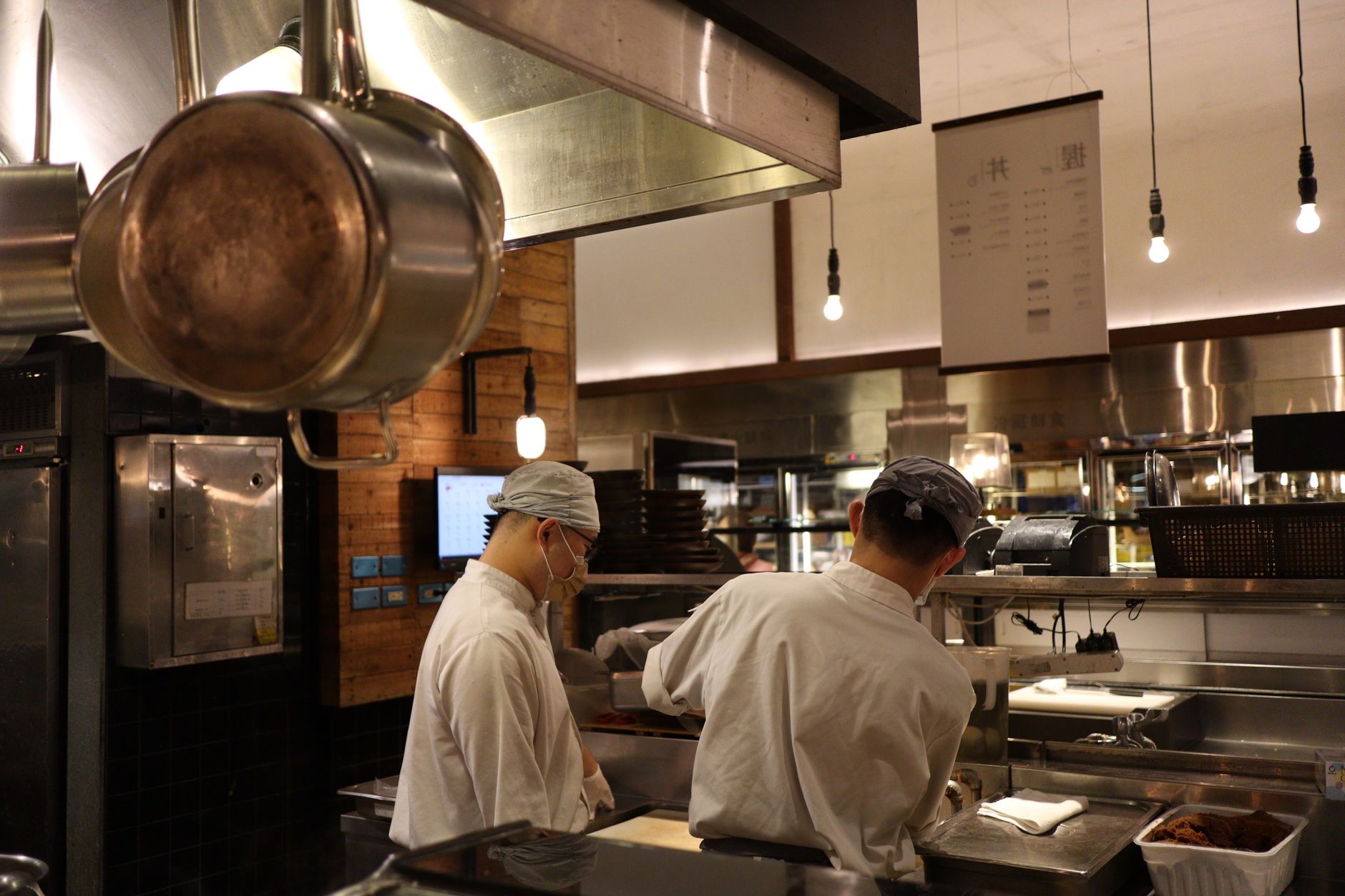
Why 101 Chicken Built a Robot Kitchen: The Case for Automation in Fried Chicken Restaurants
Labor costs are consuming restaurants at record rates, and fried chicken kitchens are no exception. 101 Chicken on Lemoine Ave in Fort Lee, NJ responded by integrating a robot-assisted kitchen system. This post breaks down the economics, the operational logic, and what it means for the future of chicken restaurant franchising.
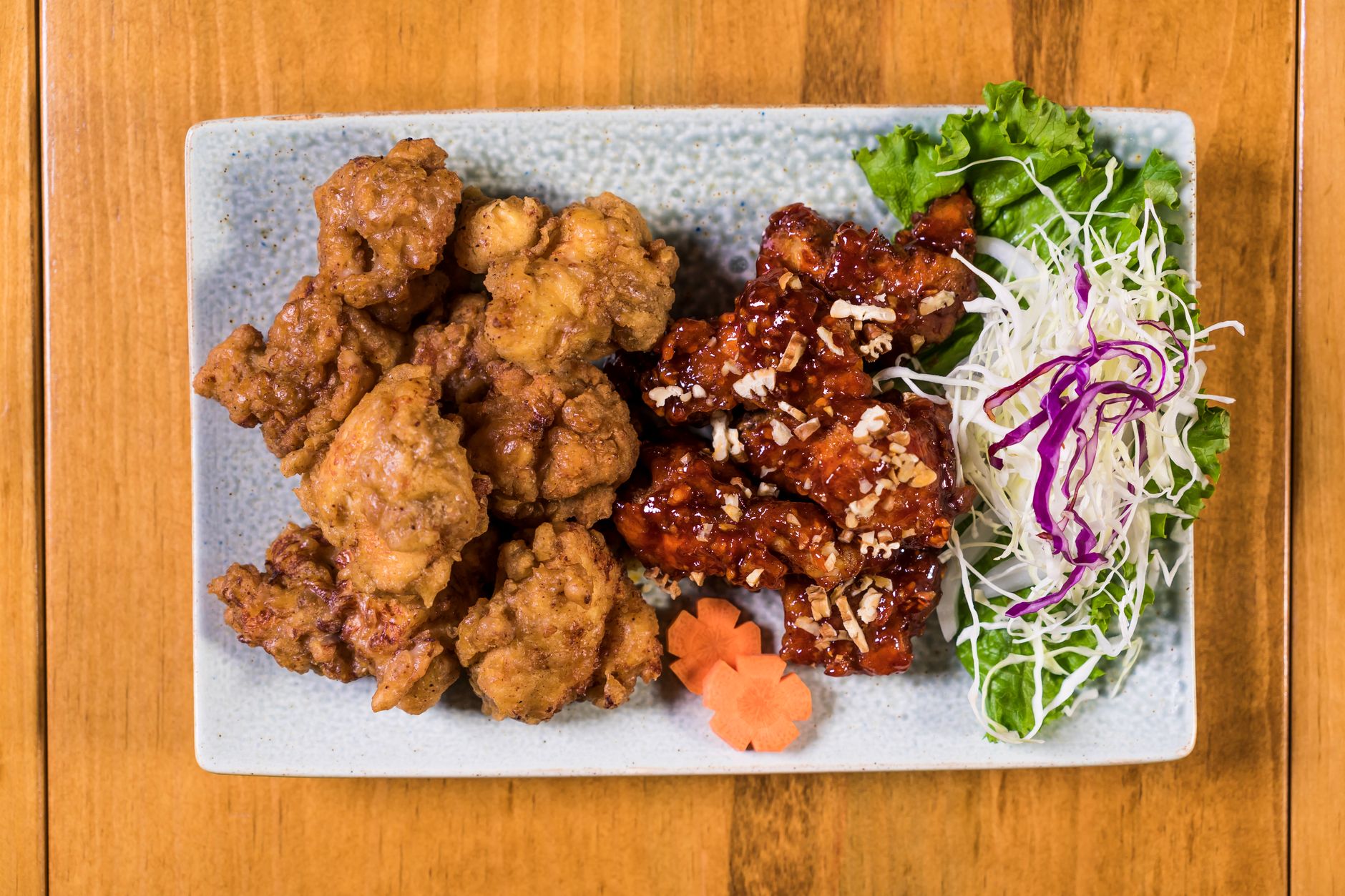
How to Reheat Korean Fried Chicken and Keep It Crispy
Leftover Korean fried chicken doesn't have to turn soggy. With the right reheating method, you can restore the shatteringly crispy double-fried crust that makes it special. This guide walks through every practical technique, from air fryer to oven to skillet, so your next-day chicken tastes almost as good as fresh.
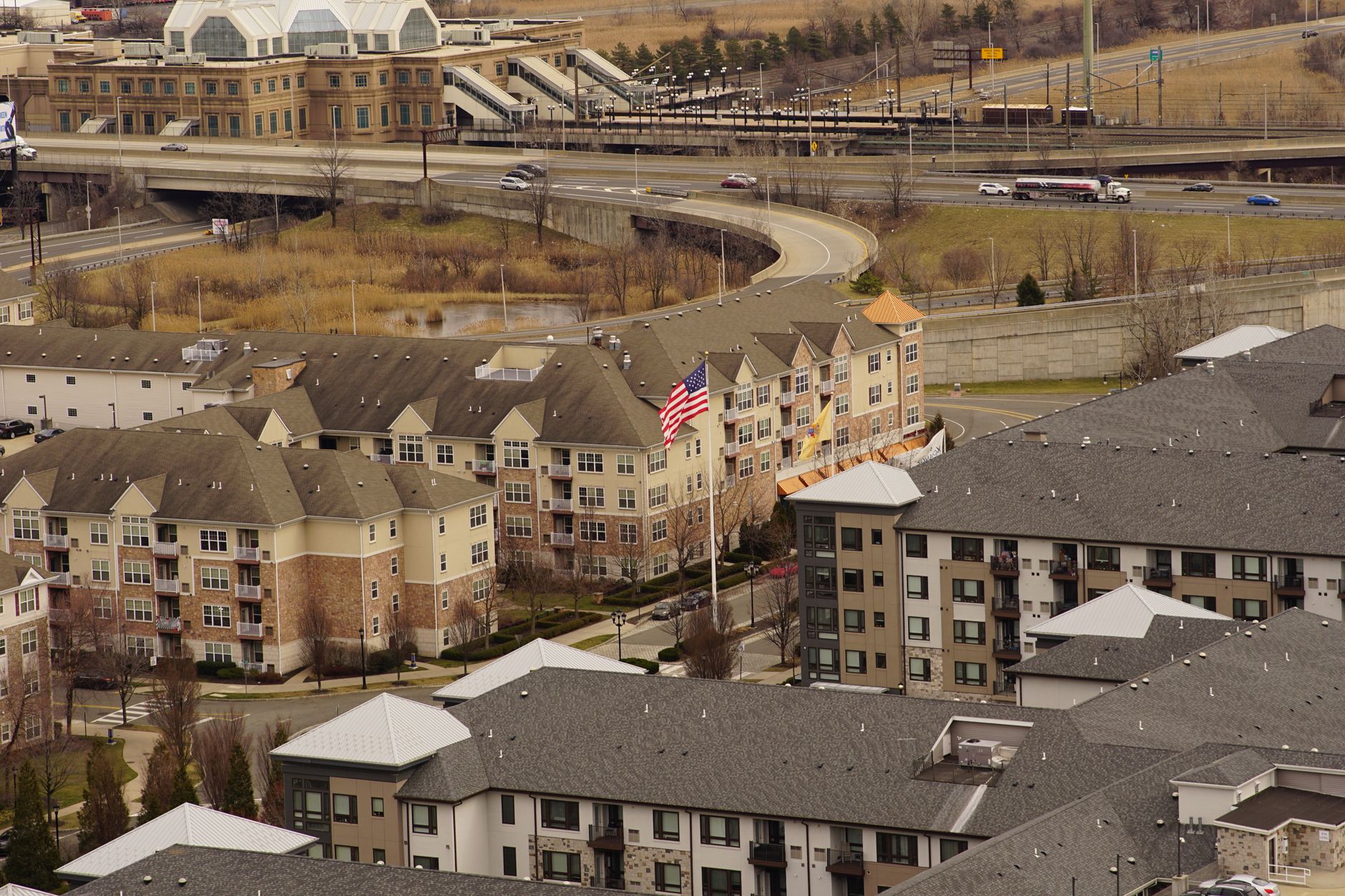
Parking Near Lemoine Ave: What to Know Before You Go
Parking on Lemoine Ave in Fort Lee is more manageable than it looks once you know where to look. This guide covers street parking rules, nearby municipal lots, garage options, and why ordering ahead at places like 101 Chicken can make the whole trip smoother.